A public interest litigation filed in the Supreme Court labels the sale of 20% ethanol (E20) blended petrol without clear labeling as a violation of consumer rights. The petition seeks mandatory ethanol percentage disclosure, nozzle labeling, and a pure petrol option for older vehicles.
Key Takeaways
- Lack of transparency in E20 petrol sales
- Need for a pure petrol alternative for older cars
- Proposal to display ethanol percentage on nozzle and receipt
New Delhi (July 10, 2026) – A public interest litigation (PIL) has been lodged in the Supreme Court, arguing that selling 20% ethanol‑blended petrol (E20) without explicit consumer information infringes on basic rights. Advocate Narendra Mishra presented the petition, demanding that the ethanol content be clearly indicated on both fuel dispensers and the accompanying receipt.
Policy Background
The Indian government has progressively increased ethanol blending in petrol to curb fossil‑fuel dependence and boost the agricultural sector. Starting with E5, the target moved to E10 in 2023 and to E20 by 2025. While the environmental intent is commendable, many older vehicle models—particularly those built before 2005—are not engineered to handle higher ethanol concentrations, leading to reduced mileage and accelerated engine wear.
Core Demands of the Petition
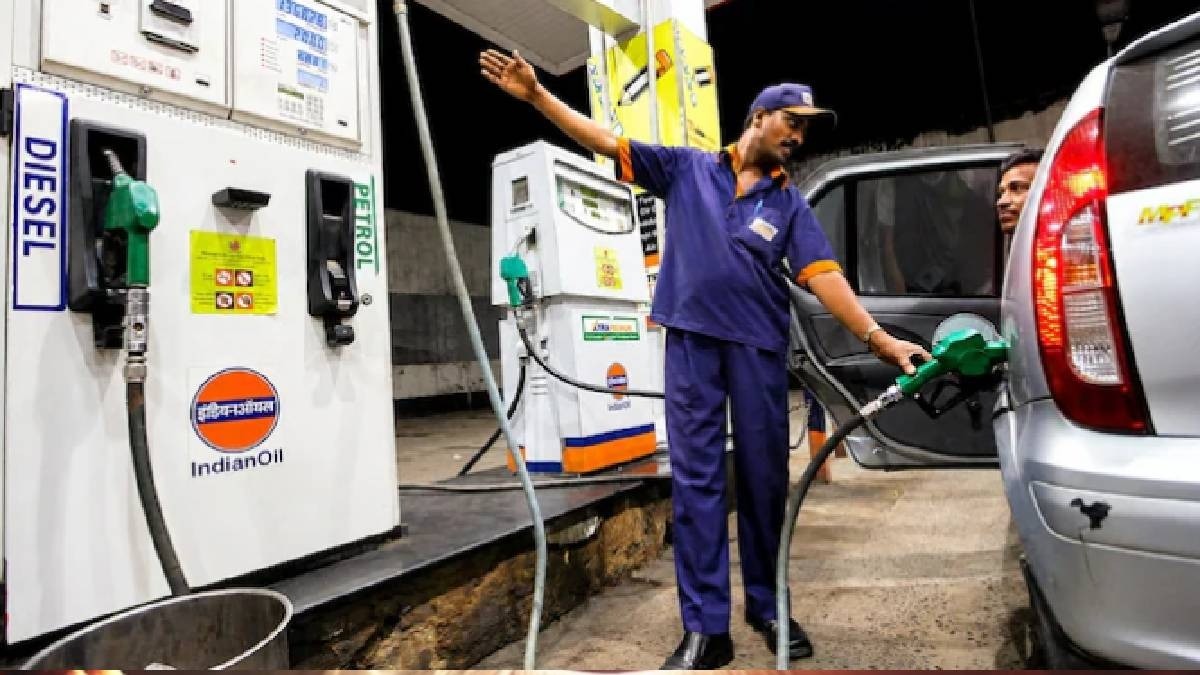
The petition urges that every fuel pump display the exact ethanol percentage on the nozzle and issue a receipt reflecting the same. It also calls for a pure petrol (non‑ethanol) option for owners of older vehicles. Importantly, the filing clarifies that it does not oppose the government's bio‑fuel policy; rather, it seeks transparency and consumer safety in its implementation.
Potential Impact and Future Trajectory
If the Supreme Court upholds the petition, fuel stations will need to adopt new labeling systems, possibly raising operational costs. The Ministry of Road Transport and Highways may also be compelled to draft an alternative fuel framework for legacy vehicles, benefitting both manufacturers and consumers. From an environmental standpoint, this could set a precedent for balancing aggressive bio‑fuel goals with robust consumer protections.
Expert Analysis
Legal analysts warn that any fuel policy rolled out without clear consumer information risks eroding public trust. This PIL highlights the necessity for policymakers to integrate technical feasibility with user‑centric safeguards, ensuring that sustainability initiatives do not compromise vehicle reliability.