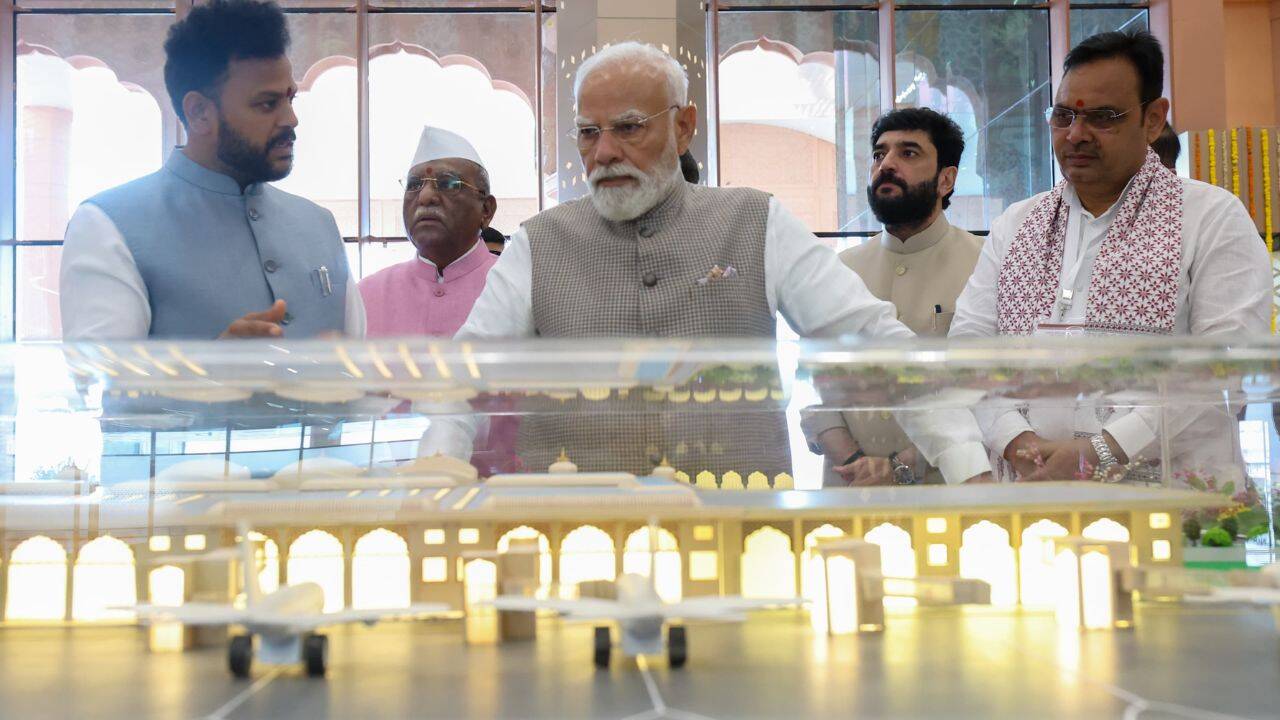
The revamped UDAN 2.0 scheme seeks to connect smaller cities with affordable air travel while ensuring financial viability. It adds airport upgrades, helicopter links and indigenous aircraft support, aiming for a self‑sustaining regional aviation network.
Key Takeaways
- UDAN 2.0 moves beyond ticket subsidies to a full ecosystem approach.
- The government earmarks ₹28,840 crore over the next decade for infrastructure and incentives.
- Indigenous aircraft and helicopter connectivity are central to long‑term viability.
On July 4, Prime Minister Narendra Modi inaugurated the new terminal at Jodhpur Airport and launched the Viksit UDAN (Developed UDAN) phase. This marks a strategic shift from the original 2016 UDAN (Ude Desh ka Aam Nagrik) scheme, which was primarily a ticket‑subsidy programme.
Lessons from the First Phase
The initial UDAN drive revived 669 operational routes, carried 1.66 crore passengers, and linked 95 airports, heliports and water aerodromes. Yet sustainability proved elusive. A 2023 CAG audit revealed that out of 774 routes awarded up to UDAN‑3, only 371 ever launched, merely 112 completed the three‑year concession, and just 54 continued after subsidies ended.
What UDAN 2.0 Changes
Under the Modified UDAN Scheme, the Union Cabinet approved a ten‑year outlay of ₹28,840 crore. The budget focuses on:
- Modernising regional airports and providing operational support.
- Expanding helicopter connectivity to remote, hilly areas.
- Increasing Viability Gap Funding (VGF) for airlines.
- Encouraging the use of domestically manufactured aircraft.
These measures aim to create a holistic regional aviation ecosystem rather than a subsidy‑only model.
Potential Impact
If executed well, the plan could embed smaller towns into the national economic fabric, boost tourism, and shorten supply‑chain timelines. Indigenous aircraft adoption promises lower operating costs and a boost to India’s aerospace sector.
Challenges Ahead
Even with a larger budget, success hinges on timely airport upgrades, genuine passenger demand, and airline profitability beyond government support. Continuous monitoring, data‑driven adjustments, and robust public‑private partnerships will be crucial to avoid repeating the pitfalls of the first phase.