A White House staffer inadvertently referred to Senator JD Vance as “dumb a**” following a public address, sparking a fresh political controversy. The mishap, rooted in a rapid‑fire communication error, raises questions about the administration’s messaging discipline and its impact on US politics.
मुख्य बिंदु (Key Takeaways)
- White House staff mistakenly called JD Vance ‘dumb a**’
- Vance publicly rejected the slur and demanded respectful discourse
- The incident could intensify partisan tensions ahead of the 2024 election
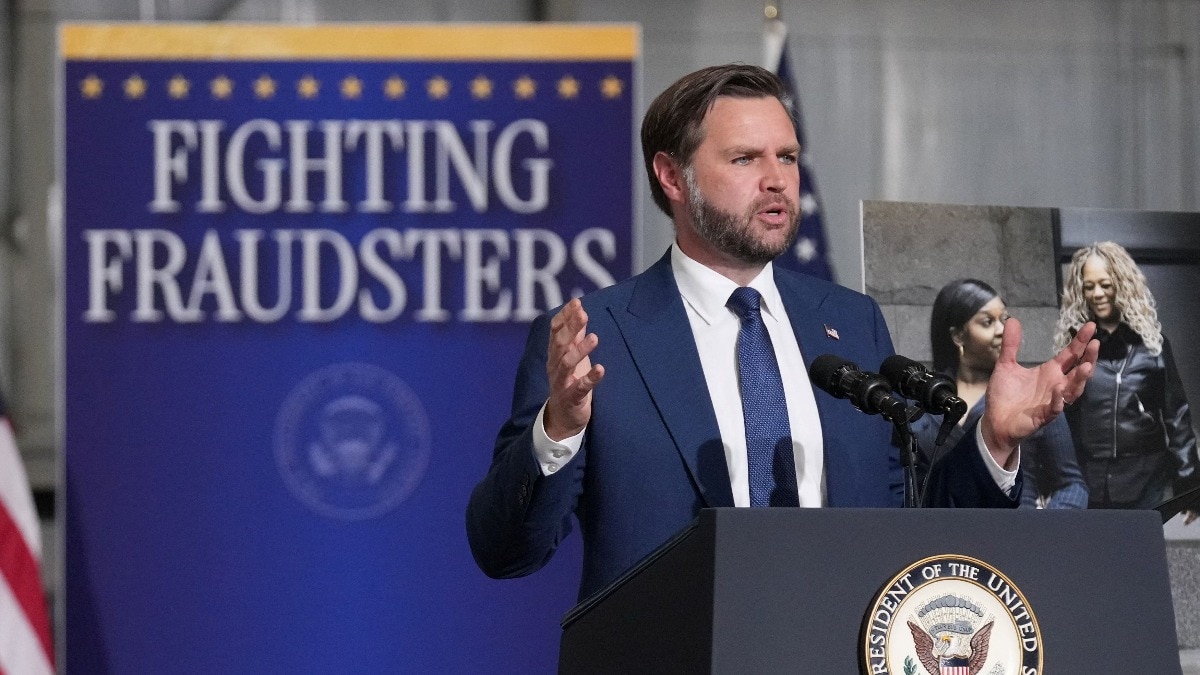
Senator JD Vance of Ohio, a rising figure in the Republican presidential race, found himself at the center of an unexpected controversy after a White House communication error. A recorded internal briefing, intended for rapid distribution, inadvertently labeled Vance as “dumb a**,” prompting an immediate outcry across social media platforms.
Background and Technical Slip
The blunder occurred during the post‑speech debrief when a White House press office employee hastily typed a summary. Sources close to the office say the high‑pressure environment and a rush to meet deadlines led to a typographical mistake that inserted an offensive term. Such errors are increasingly common in the digital age, where speed often trumps accuracy.
Vance’s Reaction and Political Fallout
Vance responded within minutes via his official Twitter account, stating, “I will not tolerate vulgar language. I expect a dialogue rooted in respect.” The response drew bipartisan commentary: Republicans rallied around his demand for civility, while Democrats seized the moment to criticize the administration’s lack of decorum.
Implications and Future Outlook
If left unchecked, the incident could further erode confidence in the White House’s messaging apparatus, especially on the international stage where diplomatic language carries weight. Political analysts warn that such slip‑ups may accelerate calls for stricter communication protocols, potentially reshaping how the administration handles media interactions.
Conclusion
What began as a minor transcription error has escalated into a national conversation about political etiquette, digital communication risks, and the fragile balance of respect in a polarized environment. JD Vance’s handling of the slur could shape his narrative heading into the 2024 election cycle.