More than 90% of Karnataka's 5,927 gram panchayats have completed their terms, and administrators are currently in charge. Rural Development and Panchayat Raj Minister Eshwar Khandre announced that elections will be scheduled for October‑November once delimitation is finalised.
Key Takeaways (मुख्य बिंदु)
- Over 90% of Karnataka's 5,927 gram panchayats have completed their tenure
- Delimitation and reservation matrix to be finalised before October‑November polls
- Accusations of ₹2,186.2 crore central fund withholding due to technical glitches
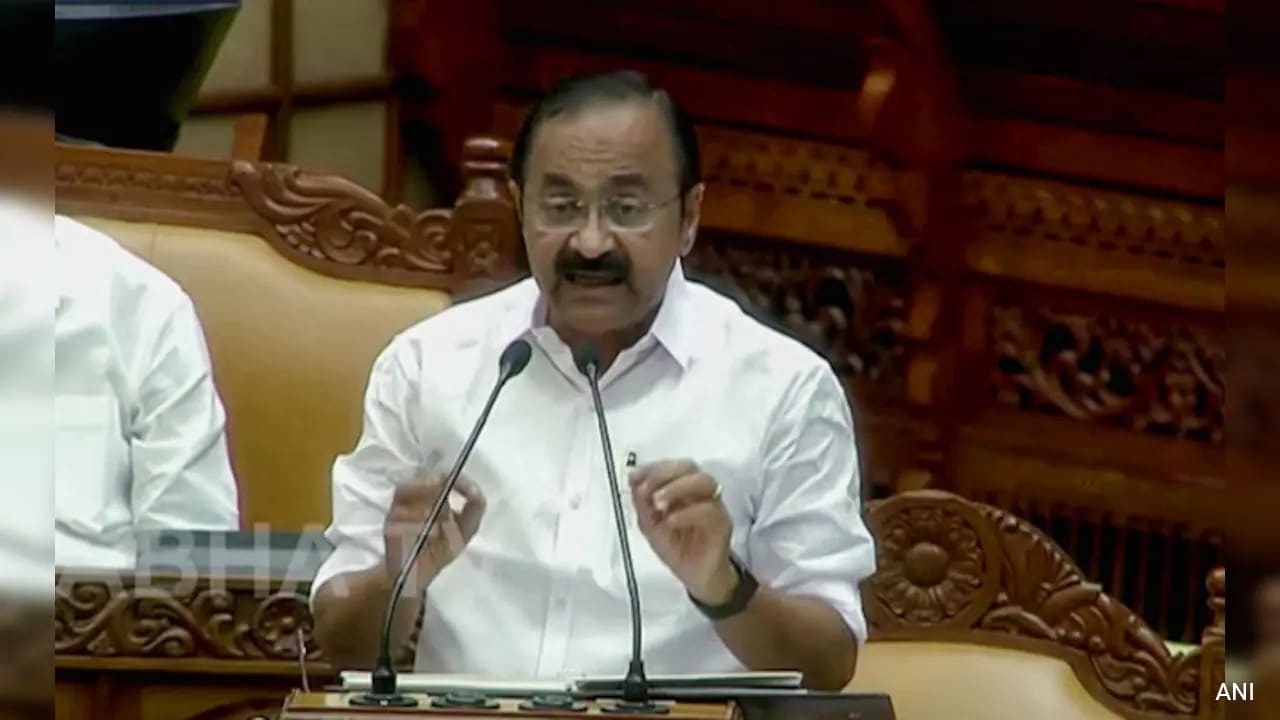
Rural Development and Panchayat Raj Minister Eshwar Khandre told reporters on July 11 that the upcoming gram, taluk and zilla panchayat elections in Karnataka are expected to be held in October or November 2026. He added that the election schedule will be submitted to the State Election Commission as soon as the delimitation process and reservation matrix are completed.
Delimitation and Reservation Process
Karnataka has 5,927 gram panchayats, more than 90% of which have completed their terms and are presently overseen by appointed administrators. The ongoing delimitation exercise is redefining constituency boundaries and finalising reservation quotas for taluk and zilla panchayats. This work has already been discussed in the Cabinet, with the Chief Minister and all ministers expressing a strong desire to conduct the elections promptly.
Historical Context and Significance
The Panchayat Raj system embodies Mahatma Gandhi’s vision of “Gram Swaraj,” empowering villages to govern themselves. Karnataka pioneered decentralisation under the late Chief Minister R. Gundu Rao in 1980, with Minister Abdul Nazir Sab playing a crucial role in the reforms. At the national level, former Prime Minister Rajiv Gandhi sought to institutionalise Panchayat Raj through the proposed 64th Constitutional Amendment in 1989.
Delay in Urban Local Body Elections
Minister Khandre explained that the Special Intensive Revision (SIR) of electoral rolls for urban local bodies has engaged government staff across the state, causing a need for additional time before elections can be scheduled. This comprehensive update aims to ensure accuracy but has inadvertently postponed the electoral calendar.
Financial Dispute and New Rural Employment Scheme
Khandre accused the Centre of withholding ₹2,186.2 crore that was due to Karnataka’s gram panchayats under the 15th Finance Commission recommendations, citing technical glitches in the software platform. He urged Karnataka MPs to raise the issue collectively. Additionally, the state has introduced the VB‑G RAM G scheme, a replacement for MGNREGA, to provide employment to the rural poor, Dalits and other vulnerable groups, stressing that no one should be forced to migrate for livelihood.
e‑Swathu Property Records Simplification
Following the SIR exercise, the government plans to streamline the e‑Swathu property records system. The objective is to deliver e‑Swathu documents directly to every eligible rural property owner without procedural hurdles. However, documents will not be issued for layouts developed on ‘B kharab’ land, and the minister promised further consultations with the Revenue Department on this matter.