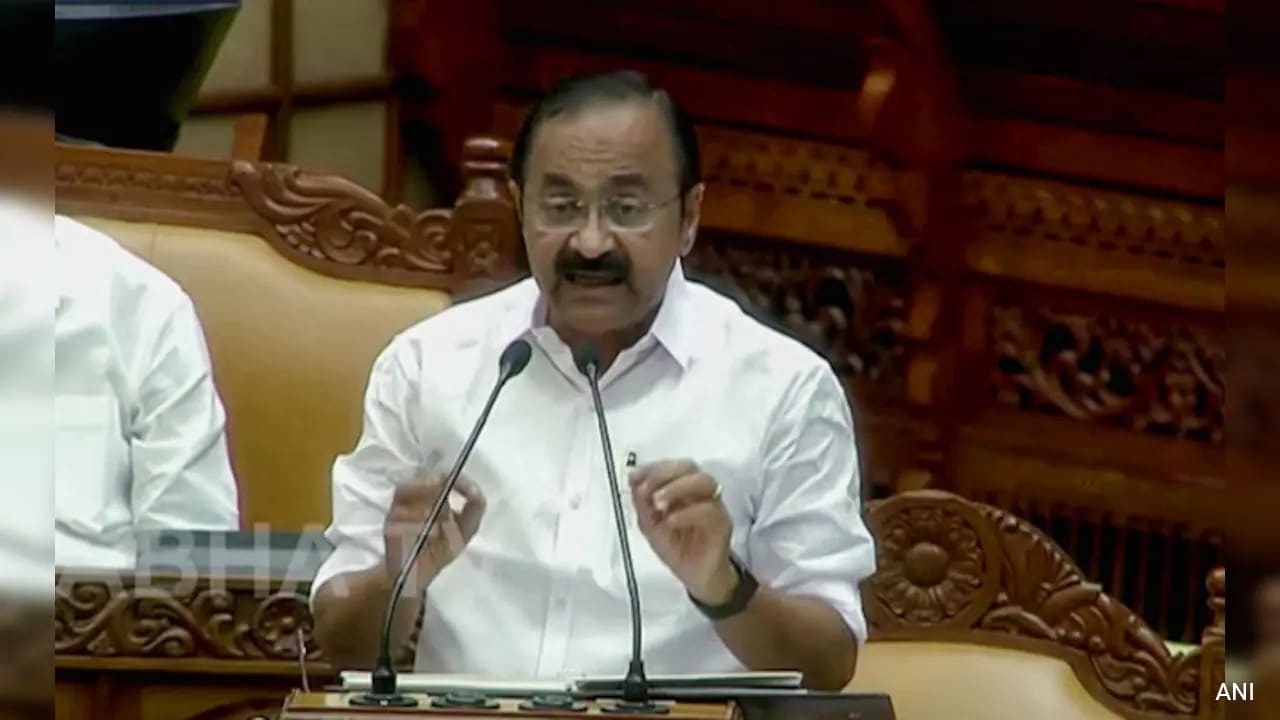
Haryana Congress in‑charge Sanjay Dutt declared frontline organisations the party’s backbone and issued sweeping directives on women’s rights, labour protection, inflation and unemployment. The move aims to tighten the party’s grassroots network across the state.
Key Takeaways
- Frontline units identified as Congress' backbone
- Women’s rights, labour welfare, inflation and unemployment prioritized
- Mass outreach campaigns ordered to strengthen grassroots presence
Sanjay Dutt convened a high‑level meeting on July 10 in Chandigarh with the state presidents of every Congress frontal organisation, department and cell. The agenda was clear: revamp the party’s foundational structures and translate national priorities into local action.
Why Frontal Organisations Matter
Since independence, Congress has relied on bodies such as the Seva Dal, Mahila Congress and the Indian National Trade Union Congress (INTUC) to mobilise voters at the village level. Dutt reminded attendees that without these entities, the party’s reach in Haryana’s largely agrarian and caste‑fragmented landscape would remain superficial.
Elevating Women’s Empowerment
The chief directive to the Mahila Congress was to place women’s rights, empowerment and safety at the top of its agenda. Dutt stressed, “Increasing women’s participation in politics and society, and combating rising atrocities against them, must be our highest priority.” He called for coordinated campaigns in panchayats, schools and community centres to raise awareness and encourage women candidates.
Labour and OBC Advocacy
INTUC was instructed to launch a statewide awareness drive protecting workers from exploitation and aligning with the party’s pro‑labour stance. Simultaneously, the OBC cell received orders to intensify social‑justice initiatives and ensure constitutional representation for backward classes, especially in rural constituencies.
Addressing Economic Pressures
Inflation and unemployment were flagged as immediate concerns for Haryana’s electorate. Dutt urged each frontal unit to devise localized solutions—skill‑development programmes, micro‑enterprise support and price‑monitoring mechanisms—so that the Congress narrative resonates with everyday hardships.
Concluding the session, Dutt emphasized continuous engagement: “If every organisation works actively in its respective field, the party’s mass base and organisational structure will become even stronger. All office‑bearers must stay connected with the people and amplify public issues.” The directives, if implemented earnestly, could reshape the Congress’s fortunes in a state where it has struggled to regain relevance.