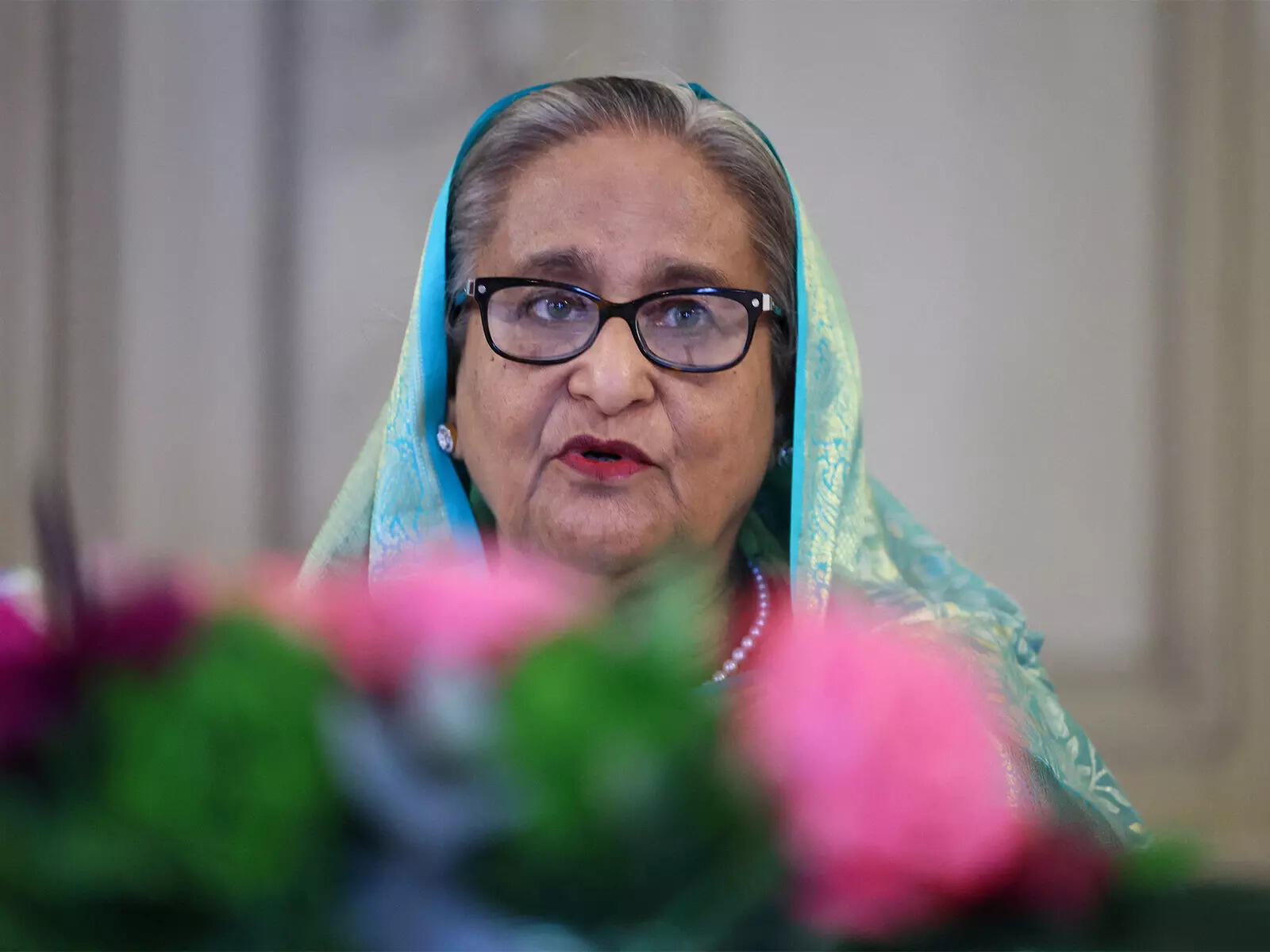
Bangladesh’s prominent leader, Sheikh Hasina, has announced her intention to return to Dhaka in December, despite potential arrest or execution. This move could deepen political turmoil and affect Bangladesh’s stability.
Key Takeaways
- Sheikh Hasina plans to return to Dhaka voluntarily in December.
- She faces potential arrest or execution upon return.
- The decision may intensify Bangladesh’s political crisis.
Sheikh Hasina announced to Reuters that she and her Awami League colleagues will return to Dhaka in December, even if they risk arrest or death. This statement follows the BNP‑led government’s death sentence against her, sparking renewed political tensions.
Political Context
Hasina fled to India in 2024 amid violent protests and threats of violence. Her return, announced after a change in political dynamics, signals a shift from the earlier interim government’s hostility. BNP’s stance has been to downplay her statements, while the Awami League remains supportive.
Security and Legal Challenges
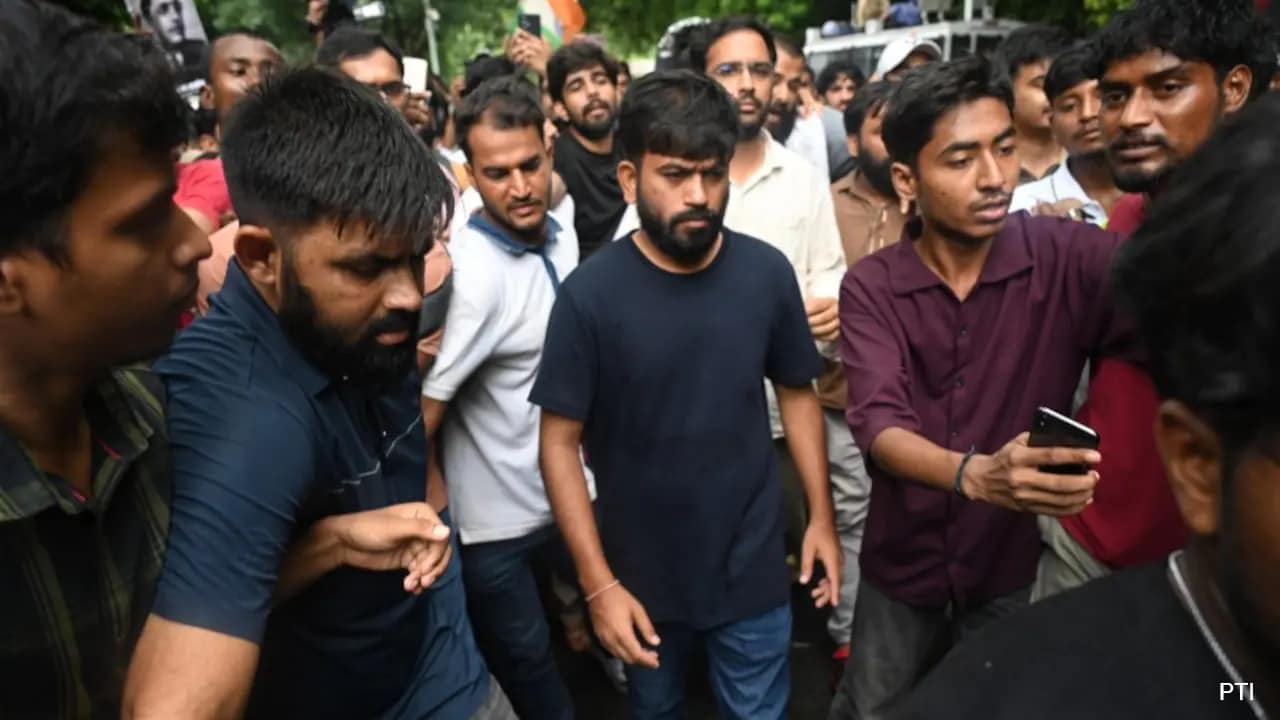
Upon her return, Hasina may face trial in multiple cases, including alleged crimes against humanity. The death sentence she received is considered by many as a sham trial, raising questions about due process. Additionally, NCP MP Nahid Islam has called for her execution, heightening security concerns.
Economic and Social Impact
Hasina’s return could destabilize Bangladesh’s political landscape, affecting investor confidence and economic growth. While her supporters view it as a step toward inclusive politics, opponents warn of further instability and potential violence.
Future Scenarios
If Hasina successfully returns, it could mark a new chapter in Bangladesh’s political history. However, if she is arrested or executed, the country may face deeper divisions, impacting its international standing and internal cohesion.