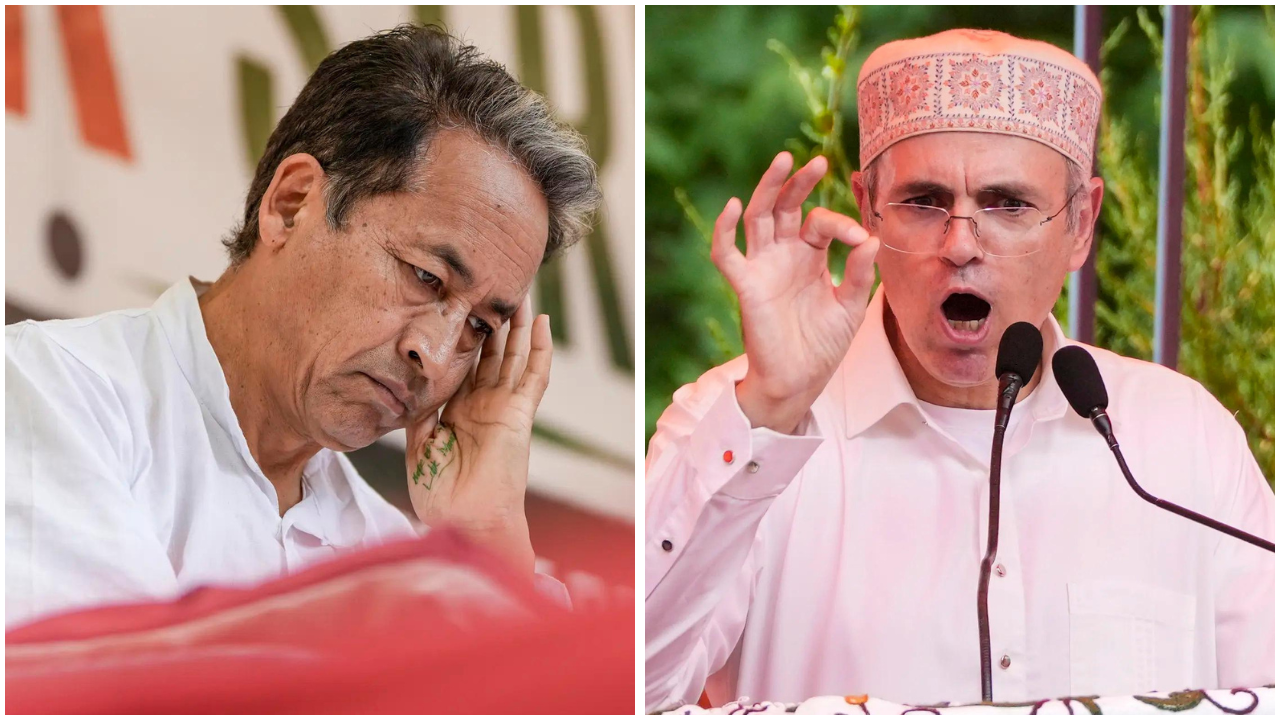
The Leh Apex Body cancelled its Delhi trip as climate activist Sonam Wangchuk refuses to end his 22‑day hunger strike. Jammu‑Kashmir Chief Minister Omar Abdullah accused the centre of a double standard by offering Article‑371‑like safeguards to Ladakh while denying statehood to J&K.
Key Takeaways (मुख्य बिंदु)
- Sonam Wangchuk continues a 22‑day hunger strike, prompting the Leh Apex Body to halt its Delhi delegation.
- The Centre has pledged to explore an Article‑371‑style model for Ladakh, yet it resists restoring Jammu‑Kashmir’s statehood.
- Omar Abdullah alleges a BJP functionary offered an NC MLA ₹30 crore, a ministerial berth and statehood to switch sides.
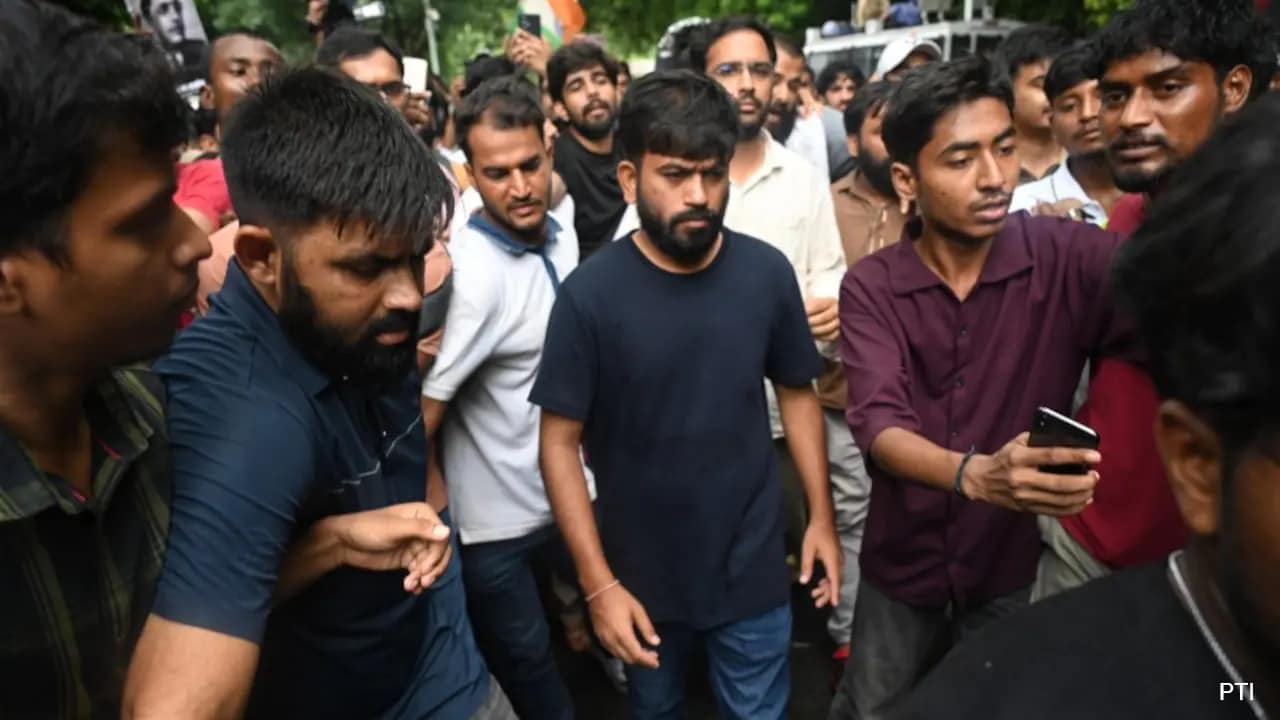
Sonam Wangchuk, a prominent climate activist and member of the Cockroach Janta Party, has been on hunger strike for 22 days to demand the resignation of Union Education Minister Dharmendra Pradhan and accountability over the NEET paper leak and other exam irregularities. His protest is tied to a larger demonstration at Jantar Mantar, where activists are pressing for systemic reforms.
Leh Apex Body’s Strategic Pull‑Back
LAB co‑chairman Chering Dorjay Lakrook announced that Wangchuk has made it clear he has “no intention” of calling off his fast. Consequently, the eight‑member delegation that was to travel to New Delhi was shelved, as his personal involvement is considered crucial at a critical juncture in talks with the Centre.
Ladakh vs. Jammu‑Kashmir: The Constitutional Conundrum
Ladakh’s two dominant blocs—the Leh Apex Body and the Kargil Democratic Alliance—have long demanded full statehood and Sixth‑Schedule protections. Minutes from a May 22 meeting between LAB, KDA and an MHA sub‑committee reveal that the Centre has agreed to explore a customised, Article‑371‑like framework granting executive, financial and legislative powers to Ladakh’s elected union‑territory body. In stark contrast, the same level of constitutional guarantee is being withheld from Jammu‑Kashmir, prompting Omar Abdullah to label the policy a “double standard.”
Omar Abdullah’s Fiery Rebuttal
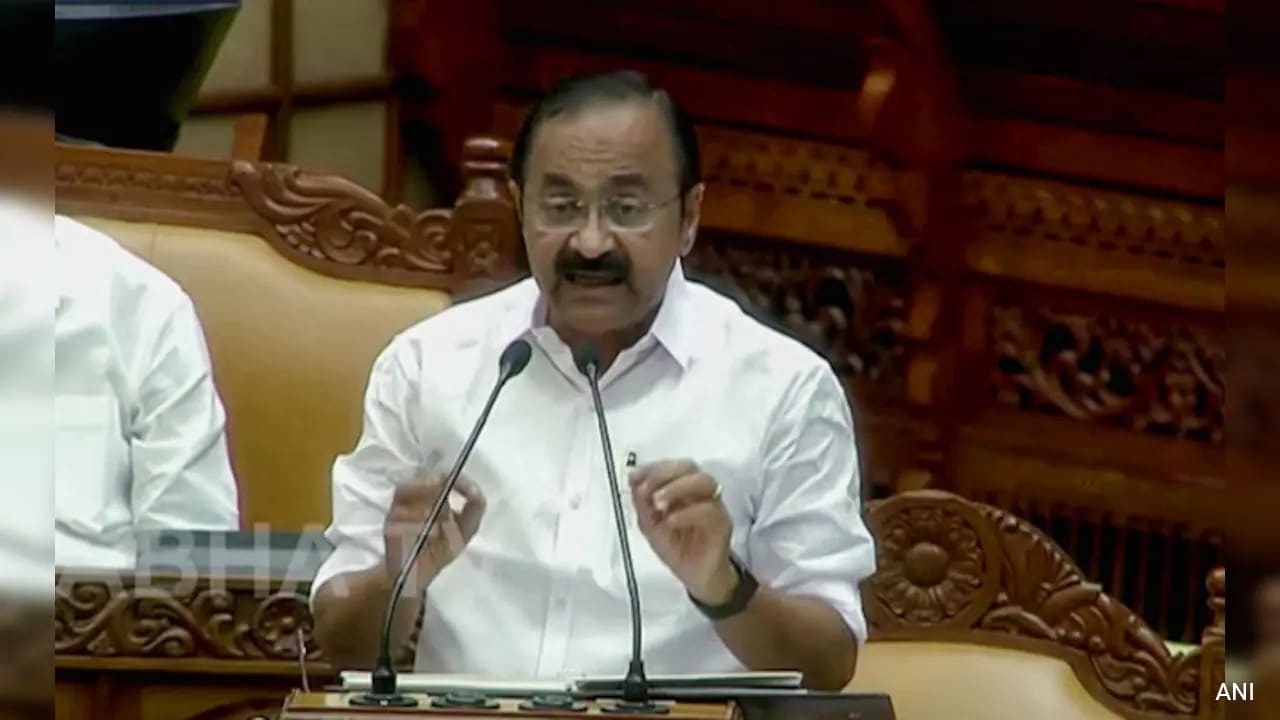
Speaking at a rally in Srinagar ahead of the National Conference’s planned July 20 protest at Jantar Mantar, the CM asked, “Why is Ladakh being offered Article‑371‑style safeguards while Jammu‑Kashmir’s statehood is denied?” He reminded the audience that the Centre had assured the Supreme Court that delimitation, elections and the restoration of statehood would follow a sequential process—yet, despite delimitation and elections already completed, Jammu‑Kashmir’s political status remains in limbo.
Allegations of Political Bribery
Abdullah further alleged that a BJP functionary approached a National Conference MLA from Jammu, offering ₹30 crore, a ministerial portfolio and the promise of statehood if the legislator switched allegiance. The claim adds a layer of intrigue to an already volatile political landscape.
Implications for India’s Federal Structure
If the Centre proceeds with the Ladakh model, it could set a precedent for tailored constitutional safeguards in other union territories. However, the refusal to extend comparable protections to Jammu‑Kashmir may fuel regional discontent, affect national security perceptions, and strain the democratic fabric. Wangchuk’s hunger strike, Abdullah’s outspoken criticism, and the Centre’s policy choices together form a pivotal moment that could reshape the balance of power between the centre and its northern regions.