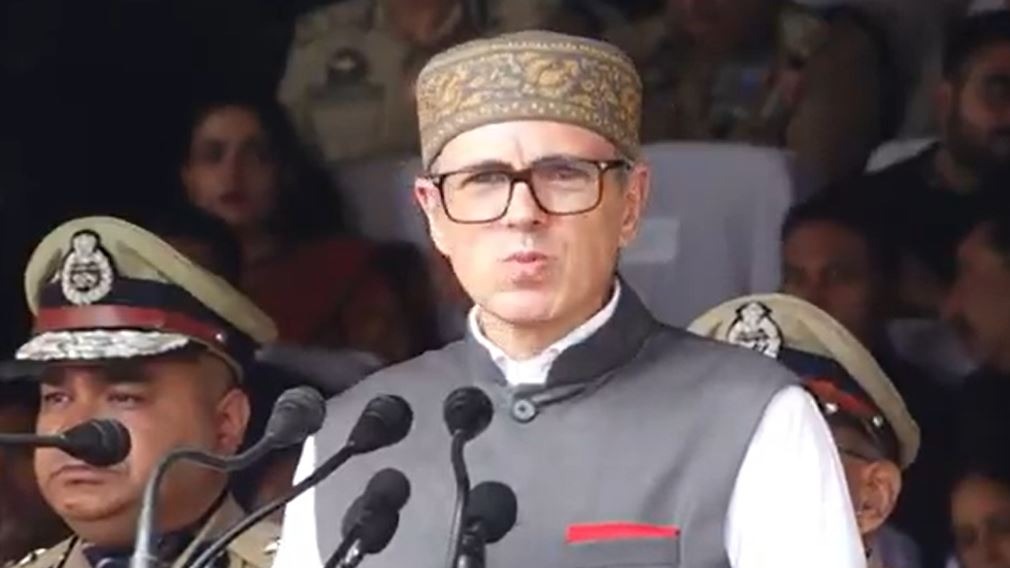
Jammu & Kashmir Chief Minister Omar Abdullah accused the BJP of trying to bribe legislators with money and ministerial posts, while the BJP has asked him to provide evidence or issue a public apology, warning of a defamation suit if the claims remain unproven.
Key Takeaways
- Omar Abdullah alleges BJP attempted to poach MLAs with cash and ministerial offers.
- BJP demands documentary proof or a public apology.
- Failure to substantiate the claim could lead to a defamation lawsuit.
Jammu & Kashmir Chief Minister Omar Abdullah asserted at a National Conference gathering that a senior BJP leader, who also practices as a Supreme Court lawyer, offered his party’s legislators ₹20‑30 crore, a ministerial berth and statehood for Jammu & Kashmir. The accusation intensifies an already volatile political climate in the region.
BJP’s Strong Rebuttal
The BJP swiftly responded with a formal notice, demanding that Abdullah furnish concrete documents or publicly retract his statements. The party warned that non‑compliance would trigger a defamation suit. Party spokesperson R.S. Pathania remarked, “An elected chief minister cannot levy such serious allegations without solid proof.”
Political Context
The claim surfaced just a year after the National Conference formed the state government, a period marked by growing dissent among legislators. While the BJP seized the moment to highlight alleged “MLA buying,” the Congress framed the accusations as a diversion from its governance shortcomings. Simultaneously, the central government’s pledge to restore full statehood to Jammu & Kashmir has become a pivotal talking point for both sides.
Legal and Societal Ramifications
Should Omar Abdullah produce verifiable evidence, the fallout could reshape power dynamics in Jammu & Kashmir and tarnish the BJP‑centre’s image. Conversely, the threat of a defamation suit adds a legal dimension to the political discourse, urging both camps to tread carefully in public statements.
Looking Ahead
The BJP announced a statewide campaign against what it terms “political corruption” by the National Conference, aiming not only to debunk Abdullah’s allegations but also to align the state‑hood narrative with the central government’s stance. Upcoming investigative reports, court proceedings, and strategic moves by both parties will determine whether this controversy remains a political skirmish or escalates into a landmark legal battle.