Chief Minister D.K. Shivakumar announced a new government order allowing ministers, legislators and senior officials to take part in the daily first aarti of Lord Venkateswara at Tirupati. The move opens a spiritual avenue for Karnataka's political class and signals a shift in state‑temple relations.
Key Takeaways
- Karnataka officials permitted to join Tirupati's first daily aarti
- CM D.K. Shivakumar issues order expanding traditional protocol
- Potential political and cultural ramifications for the state
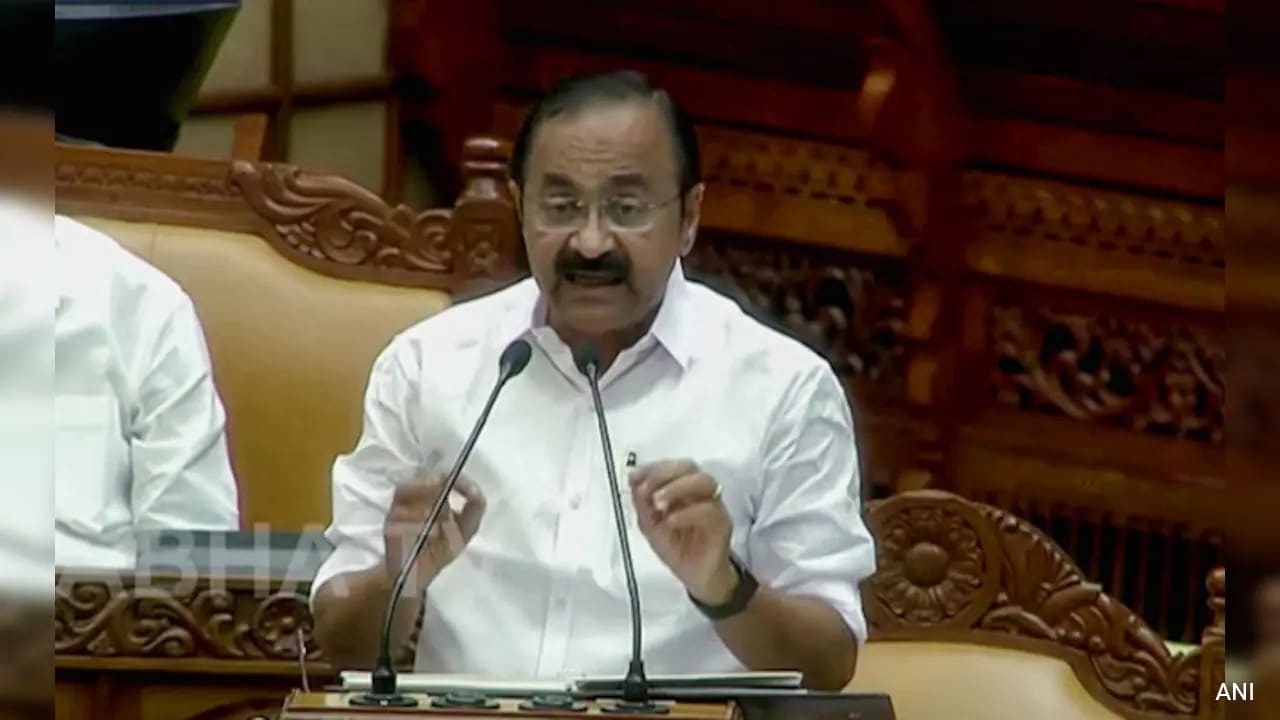
During the foundation‑laying ceremony of the Shanmukha Subramanya Swamy Temple, Karnataka Chief Minister D.K. Shivakumar declared that elected representatives, senior officials and other VIPs from the state will now be allowed to participate in the first aarti offered each day to Lord Venkateswara at Tirupati. The decision will be formalised through an official government order.
Background and Temple Protocol
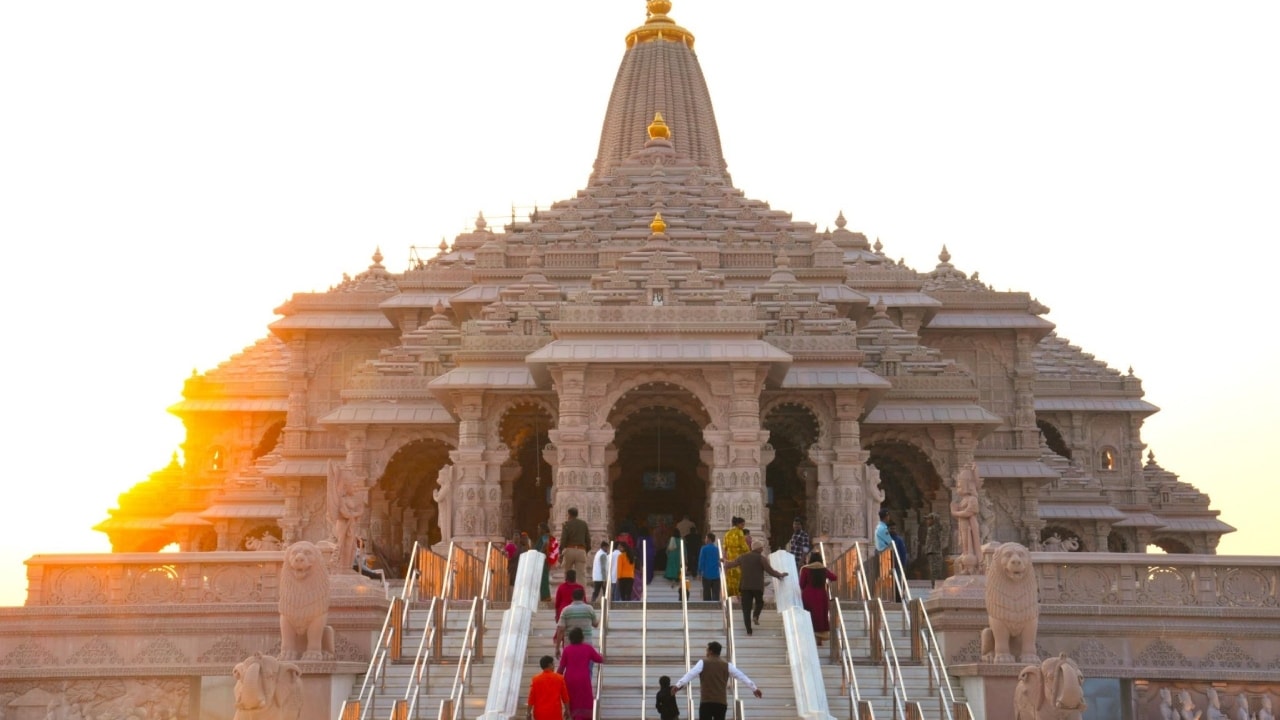
The Venkateswara Temple in Tirupati, one of India's most visited pilgrimage sites, conducts two main aartis daily – one in the early morning and another at dusk. Historically, only the Karnataka Chief Minister has been permitted to perform the ritual at the temple's inner entrance, while the state's Special Officer conducts the aarti on behalf of Karnataka. The new directive expands this privilege to include ministers, legislators, judges and senior bureaucrats.
Political and Social Significance
The announcement addresses longstanding grievances from legislators who often returned from Tirupati without witnessing the aarti. By granting them direct access, the government seeks to blend civic duty with spiritual participation, potentially bolstering public perception of the administration. Shivakumar framed the move as a hallmark of his tenure, emphasizing that those who serve the state should also be able to pray to the deity.
Personal Narrative of the Chief Minister
Shivakumar disclosed that Lord Venkateswara is his family deity, yet he only visited the shrine after his release from incarceration. He now regards the policy as a personal and political milestone, illustrating his commitment to both governance and devotion.
Future Implications
If the expanded protocol proves successful, other Indian states may lobby for similar privileges for their representatives, prompting temple authorities to adapt to larger crowds and heightened security demands. The decision also raises questions about the separation of religious rites and political influence, warranting close observation in the months ahead.