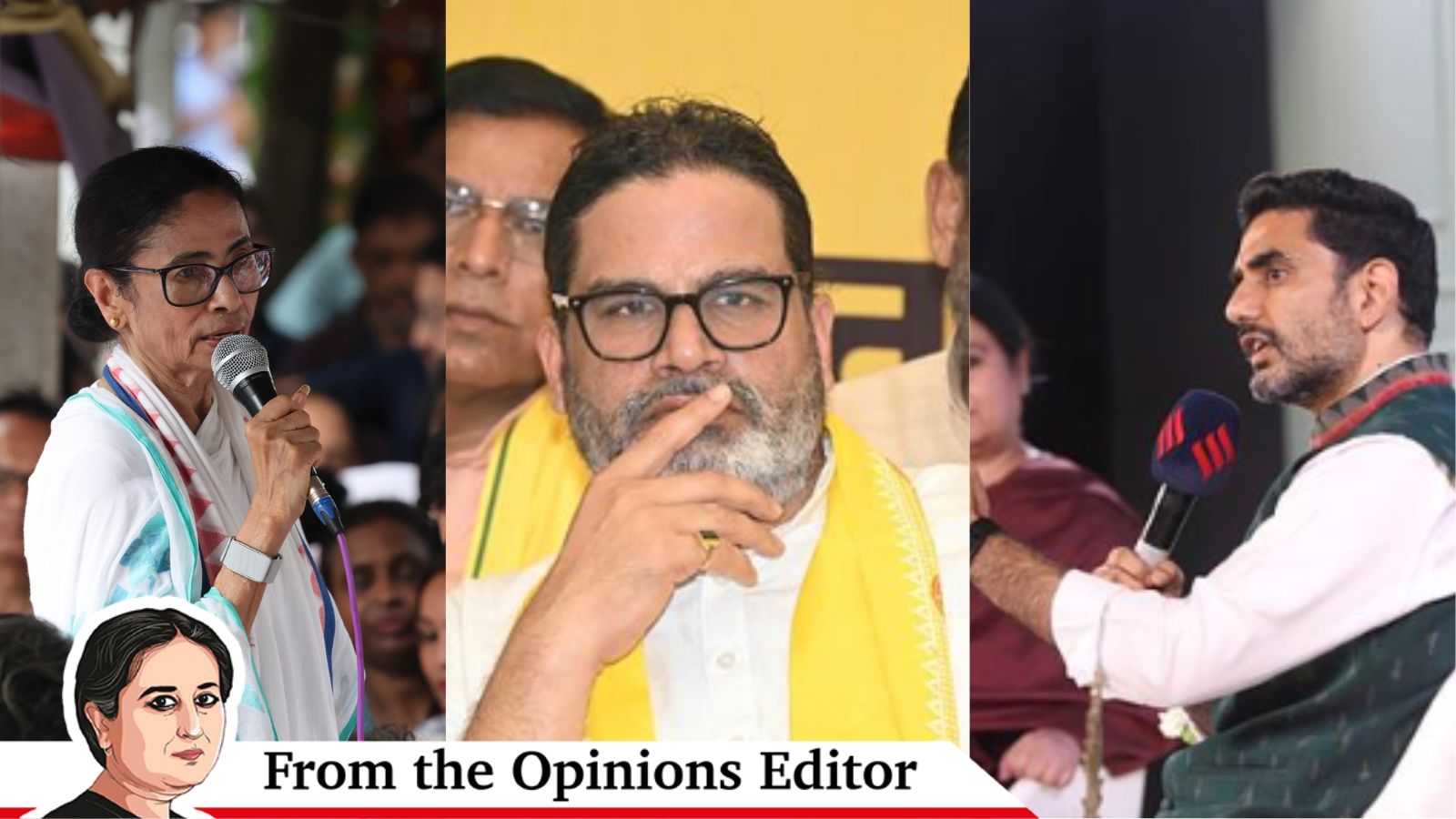
The BJP’s ‘one nation’ agenda and fear‑based tactics have accelerated a crisis for regional parties. Leaders like Prashant Kishor, Mamata Banerjee and Akhilesh Yadav struggle to claim new political space, threatening India’s democratic pluralism.
मुख्य बिंदु (Key Takeaways)
- BJP’s uniformity‑driven agenda is eroding the base of regional parties.
- Organizational decay and reliance on professional consultancies have weakened grassroots strength.
- Lack of voter‑centric policy proposals hampers the revival of regional politics.
While cracks in the BJP’s hegemony are beginning to show, the parties that could have capitalised on the opening are failing to do so. In Bihar, Prashant Kishor’s new outfit is still searching for a foothold after a dismal performance in the November assembly polls. In West Bengal, Mamata Banerjee’s TMC is unraveling after an April electoral drubbing. And in Uttar Pradesh, the Samajwadi Party remains frozen in a 2017 mindset even as internal BJP turmoil dominates headlines.
The BJP’s “One Nation” Thesis
The ruling party’s drive toward cultural uniformity, backed by a fear‑and‑favor playbook, has skewed the political playing field. By framing dissent as anti‑national, the BJP marginalises regional narratives, making it difficult for state‑based parties to connect with their core constituencies.
Organizational Decline of Regional Forces
Political scientist K.K. Kailash notes the obsolescence of the “mass party model,” which once privileged a strong ground‑level organization over office‑holding elites. Today, many regional parties have become “party in public office” machines, subordinating their grassroots cadres. TMC’s outsourcing of decision‑making to the IPAC consultancy is a case in point, prompting veteran members to exit.
Historical Context of Federalism
In the 1990s, a weak central government and economic liberalisation gave regional parties a window to ascend to the national stage. This period coincided with the Congress decline and the BJP’s rise. However, the recent re‑centralisation—driven by the BJP’s consolidation of power—has reversed that decentralising momentum, leaving regional outfits vulnerable.
Road Ahead: Challenges and Opportunities
For the Samajwadi Party to shed its “Muslim‑Yadav” stereotype and present a truly inclusive agenda, it must revamp its organizational structure and develop a forward‑looking policy platform. Other regional parties face a similar imperative: rebuilding grassroots networks while leveraging professional campaign expertise. Without such a dual approach, India’s federal fabric risks erosion.