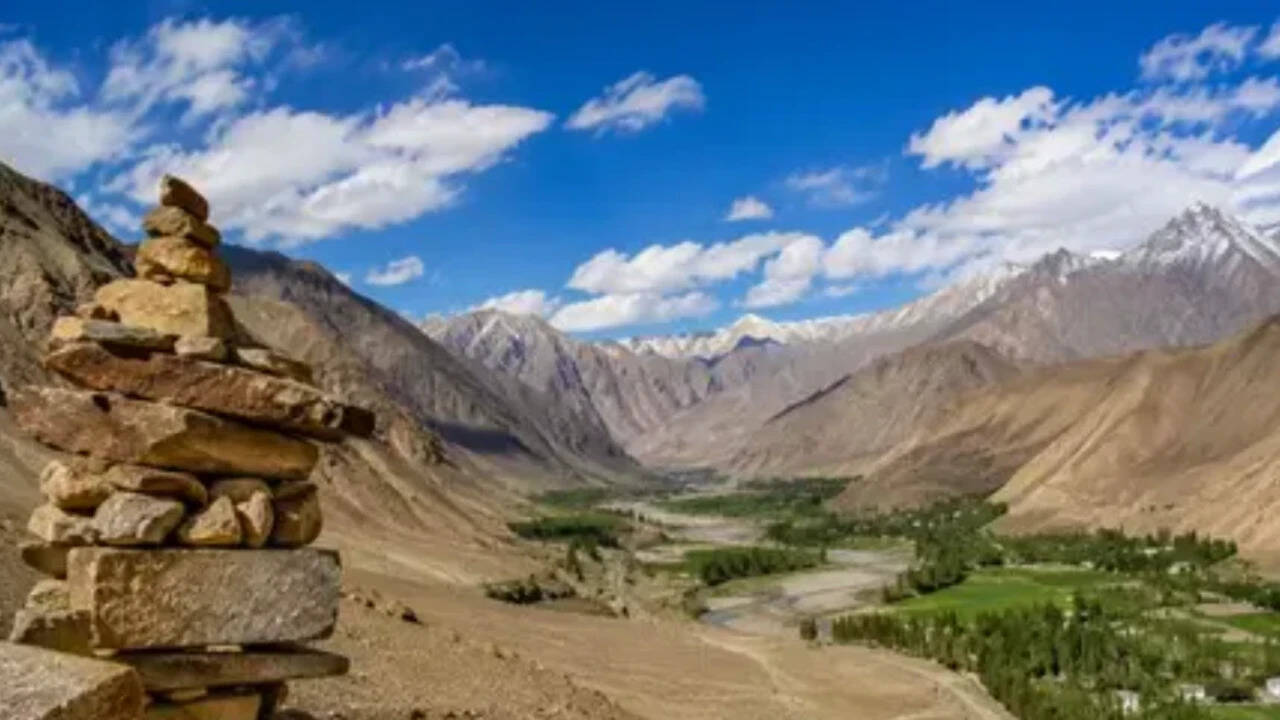
The Ladakh administration announced the creation of Hill Development Councils across all seven districts, aiming to strengthen grassroots governance. The move is seen as a major step toward distributing power more evenly throughout the vast Union Territory.
Key Takeaways
- Hill Development Councils will be set up in all seven districts
- New councils will operate under the existing LAHDC Act powers
- A customized UT‑level legislative body is being drafted, pending constitutional amendment
Chief Secretary Asish Kundra told reporters in Leh that Section 3(1) of the Ladakh Autonomous Hill Development Council (LAHDC) Act already provides for a council in every district. Only minor legislative tweaks are required to extend the provision to all seven districts.
Historical Context
The first two councils—Leh in 1995 and Kargil in 2003—were created to give the remote, mountainous regions a degree of self‑governance. Over the past two decades, they have overseen local education, health, infrastructure and environmental initiatives, tailoring policies to the unique challenges of high‑altitude living.
New Districts and Growing Demands
In August 2024, the Centre approved five new districts—Sham, Nubra, Changthang (within Leh), Zanskar and Drass (within Kargil)—raising the total to seven. Residents of these newly carved districts have long pressed for autonomous hill councils, arguing that without them development projects stall and local voices remain unheard.
Constitutional Changes and a Unique UT‑Level Body
Discussions are ongoing about a Union Territory‑level legislative assembly that would enjoy legislative, executive, financial and administrative powers. Such a body would require constitutional amendment to define its scope under Article 371, and officials say the model will be “customised” for Ladakh rather than copied from any other state.
Roadmap and Potential Impact
In the coming weeks, Ladakh representatives and central officials will draft a framework outlining the new arrangement. Experts anticipate that the councils will accelerate development projects, improve service delivery, and deepen democratic participation in one of India’s most remote regions. If successful, Ladakh’s model could inspire similar reforms in other mountainous UTs and states.