A waste‑to‑energy mound collapsed in Pimpri‑Chinchwad on July 8, killing nine workers. The state government has formed a high‑level inquiry panel to submit its findings within two months.
Key Takeaways
- On July 8 2026, a massive waste mound at the Moshi landfill in Pimpri‑Chinchwad collapsed, killing nine employees.
- Maharashtra has appointed a high‑level inquiry committee headed by Pune Divisional Commissioner Sheetal Teli‑Ugale.
- The committee must examine technical, administrative and legal aspects, assign responsibility and recommend preventive measures.
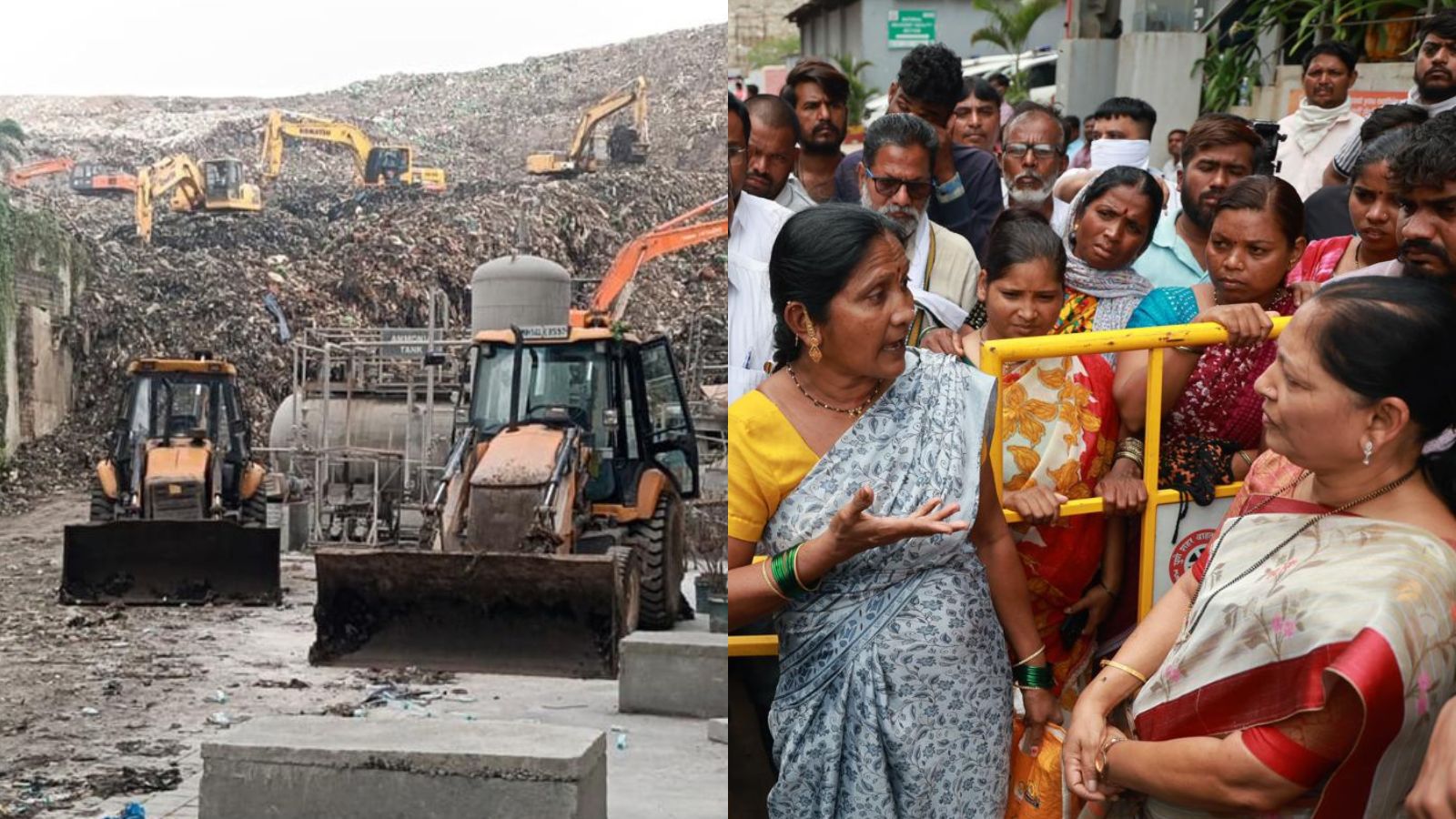
Heavy rainfall on July 8 2026 triggered the sudden failure of a sanitary landfill (SLF) at the Waste‑to‑Energy (WtE) project site of the Pimpri‑Chinchwad Municipal Corporation (PCMC) in Moshi. The mound of accumulated garbage gave way, crushing an adjacent administrative building and claiming nine lives. The incident sent shockwaves through the region, raising urgent questions about the safety standards governing waste‑to‑energy facilities across India.
Government Action and Committee Composition
Within five days, the Maharashtra Urban Development Department ordered the formation of a high‑level inquiry committee. The panel will be chaired by Sheetal Teli‑Ugale, Pune Divisional Commissioner, and will include the Regional Officer of the Maharashtra Pollution Control Board (MPCB), Prof. D N Singh – a geotechnical and structural engineering specialist from IIT Bombay, and Prof. Anilkumar Dixit – an expert in environmental and solid‑waste management. An initial draft also listed PCMC Additional Commissioner Vikrant Bagade, but his name was later removed at the government's request.
Scope, Timeline and Deliverables
The committee is mandated to submit a preliminary report within one month and a final, comprehensive report within two months. Its terms of reference cover a root‑cause analysis of the collapse, verification of the SLF’s height, slope, stability, storage method, protective measures and compliance with technical criteria. The panel must also assess the structural integrity of the damaged administrative building against relevant engineering standards.
Beyond technical parameters, the inquiry will review adherence to the Solid Waste Management Rules 2016, CPCB/MPCB guidelines, CPHEEO standards, environmental clearance conditions, SOPs and other legal provisions. It will scrutinise complaints, emails, WhatsApp messages, photographs and any prior warnings that may have been ignored.
Powers and Expected Outcomes
Equipped with extensive powers, the committee can examine all records, contracts, maps, budgets, inspection reports, CCTV footage, drone surveys, and digital data from any department or contractor. It may conduct site inspections, order independent technical tests, summon officials, employees, contractors and consultants, and record sworn statements.
The final report must identify responsible parties, recommend disciplinary or criminal action for administrative negligence, technical lapses or environmental violations, and propose both short‑term and long‑term remediation plans. Recommendations will likely address waste‑to‑energy project design, SLF management, slope stability, leachate control, early‑warning systems and disaster‑prevention protocols.
Implications for Future Policy
This probe could reshape Maharashtra’s waste‑management framework and set a precedent for stricter oversight of WtE projects nationwide. Industry analysts warn that without decisive corrective measures, similar catastrophes may recur, undermining public confidence in sustainable energy initiatives.