The Modi administration is intensifying its drive to secure a two‑thirds majority ahead of the Monsoon Session to pass a fresh women’s reservation amendment. Talks with opposition parties such as DMK and NCP‑SP aim to win either support or at least abstention.
मुख्य बिंदु (Key Takeaways)
- Bill requires a two‑thirds majority
- Government courting opposition parties for support or abstention
- Delimitation bill adds further political tension
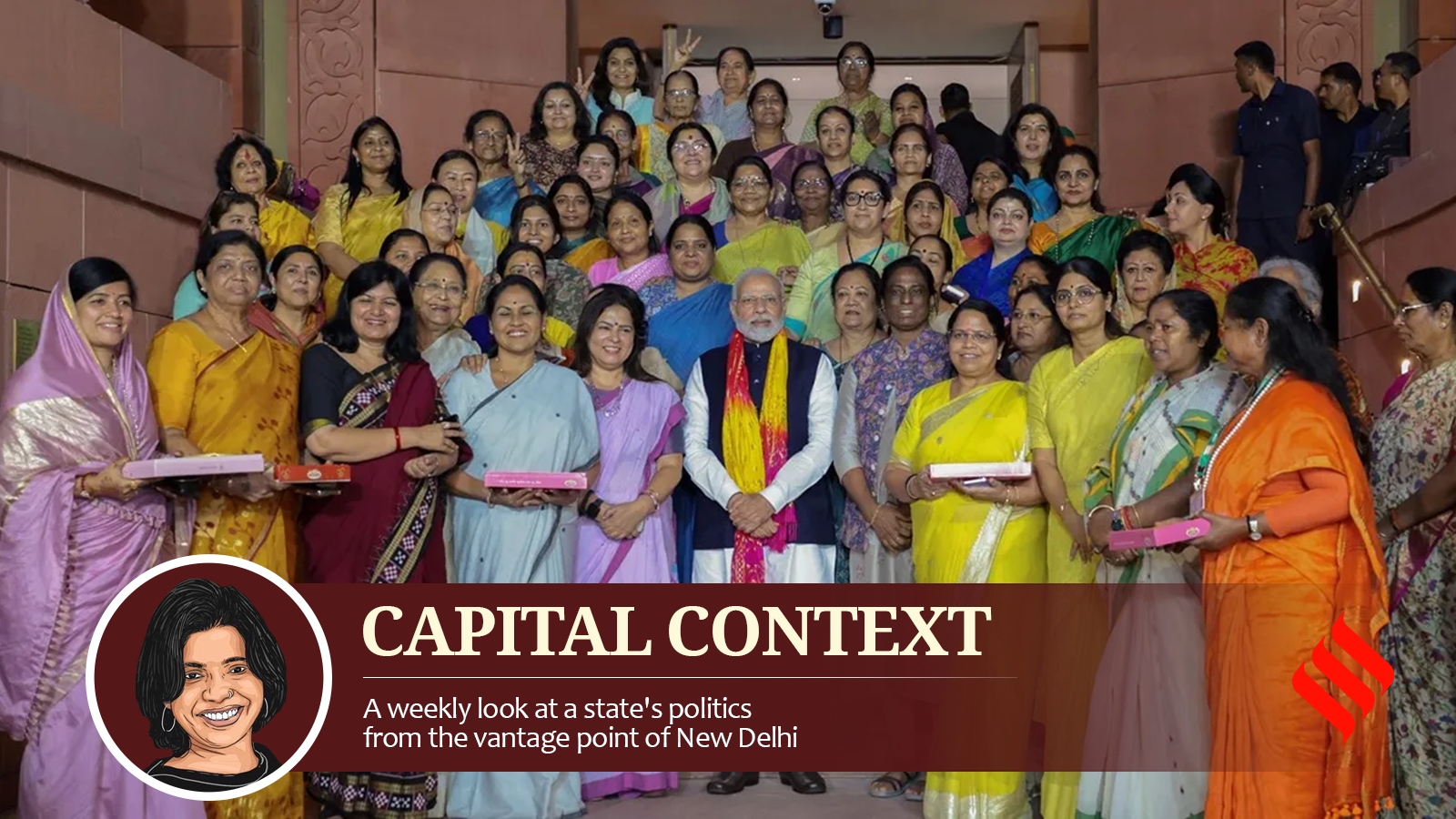
The Monsoon Session of Parliament is slated to begin on July 20, and Prime Minister Narendra Modi’s NDA government is gearing up to introduce a fresh constitutional amendment that would extend women’s reservation in legislatures until 2029. The proposal, which was rejected in the lower house during the April special session, will now be tabled only after the government is confident of securing a two‑thirds majority.
Seeking Additional Numbers
Sources indicate that the BJP has already coaxed 20 rebel Trinamool Congress MPs and six Shiv Sena (UBT) MPs to back the alliance, potentially raising its Lok Sabha strength from 293 to 329, subject to Speaker Om Birla’s validation. Even with these cross‑overs, the coalition falls short of the 360 votes needed for a two‑thirds mandate, prompting a renewed outreach to regional parties such as the Dravida Munnetra Kazhagam (DMK) and the Nationalist Congress Party (NCP‑SP).
DMK’s Calculus
The DMK has yet to announce its final stance, but senior party officials say they have been approached for a “middle path.” The Tamil Nadu‑based party stresses that any delimitation exercise based solely on census data would be an injustice to southern states that have successfully curbed population growth. If the DMK opts for abstention, it could provide the crucial numbers the government needs, though full backing remains uncertain.
Back‑Channel Negotiations
BJP leaders report constant contact with opposition regional heads and individual MPs, including members of the Samajwadi Party (SP) and even some Congress legislators. The party insists it will not push the bill unless the required numeric safety net is in place, avoiding any last‑minute surprises.
Delimitation Bill’s Shadow
Alongside the women’s reservation amendment, the government is also championing a delimitation bill that would expand Lok Sabha seats from 543 to 850. Southern states, especially Tamil Nadu, fear a dilution of their parliamentary representation and a consequent dip in central funding. Chief Minister C. Joseph Vijay’s recent public statements warning Tamil Nadu against accepting the delimitation proposal have turned the issue into a potent political weapon for the DMK.
Implications for Indian Democracy
Should the NDA secure the two‑thirds majority, both the women’s reservation and delimitation bills could clear Parliament in a single session, marking a historic shift in India’s legislative landscape. However, the uncertain positions of DMK and NCP‑SP, coupled with lingering mistrust, keep the outcome precarious. Analysts view the upcoming Monsoon Session as a litmus test for the balance of power between the ruling coalition and a fragmented opposition.