The Special Investigation Team (SIT) formed by Uttar Pradesh on June 13 will revisit Ayodhya to scrutinise documents and interrogate members of the Shri Ram Janmabhoomi Teerth Kshetra Trust. Its preliminary report flagged theft during donation counting and lapses in security protocols, prompting political backlash.
Key Takeaways
- SIT has ordered a second round of document verification in Ayodhya
- Initial findings reveal serious security and procedural breaches
- Opposition parties label the renewed probe as a superficial exercise
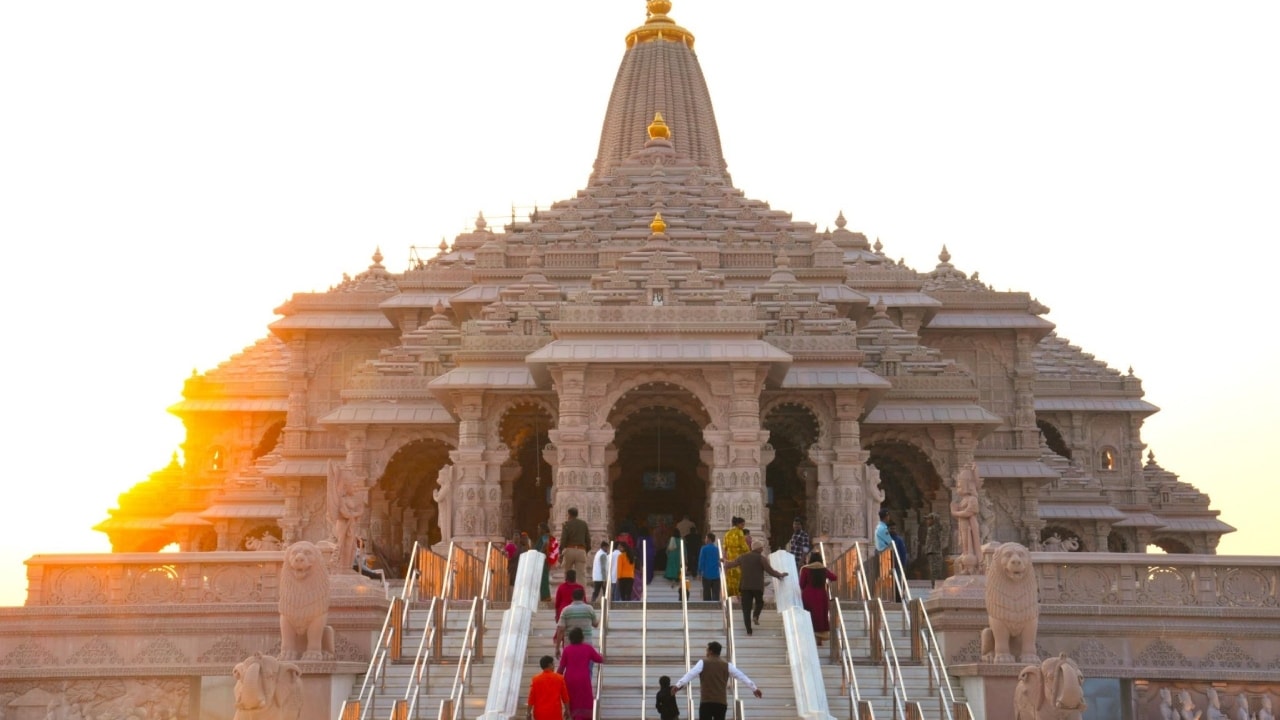
The Special Investigation Team (SIT) probing alleged embezzlement of donations for the Ram Temple has decided to return to Ayodhya for a deeper examination of records and to question members of the Shri Ram Janmabhoomi Teerth Kshetra Trust. A senior Uttar Pradesh government official confirmed that the expanded probe will focus on financial transactions and safety loopholes that were previously overlooked.
Background and Extension of the Inquiry
In response to mounting allegations of cash and valuable misappropriation, the Uttar Pradesh government constituted the SIT on 13 June 2026. The team submitted an initial report to the state on 23 June, highlighting prima facie evidence of theft during the temple’s donation counting process. On 1 July, the state extended the SIT’s mandate by an additional 15 days to allow the team to complete a comprehensive final report.
Security Protocols Ignored
The preliminary findings point to a systematic failure to implement the Trust’s Standard Operating Procedures (SOPs). Critical controls such as frisking, biometric attendance, restriction on personal items, CCTV surveillance, and other protective measures were either partially applied or completely ignored. This negligence, the report argues, created an environment where “theft and pilferage” could occur unchecked, prompting the Trust to file a petition for a First Information Report (FIR).
Political Reactions
Uttar Pradesh Congress president Ajay Rai dismissed the renewed investigation as “eyewash,” alleging that the SIT has only named low‑level individuals while shielding senior figures close to the ruling dispensation. He reiterated demands for a Supreme Court‑monitored probe, asserting that only an independent judicial oversight can ensure accountability.
Implications and Future Outlook
If the SIT’s final report substantiates the preliminary evidence, the ramifications could extend beyond the Trust’s management to the broader political landscape of Uttar Pradesh. Such outcomes often trigger stricter regulatory frameworks, enhanced transparency measures, and, potentially, criminal prosecutions against high‑level officials. The case also serves as a litmus test for the state’s commitment to curbing corruption in religious institutions.