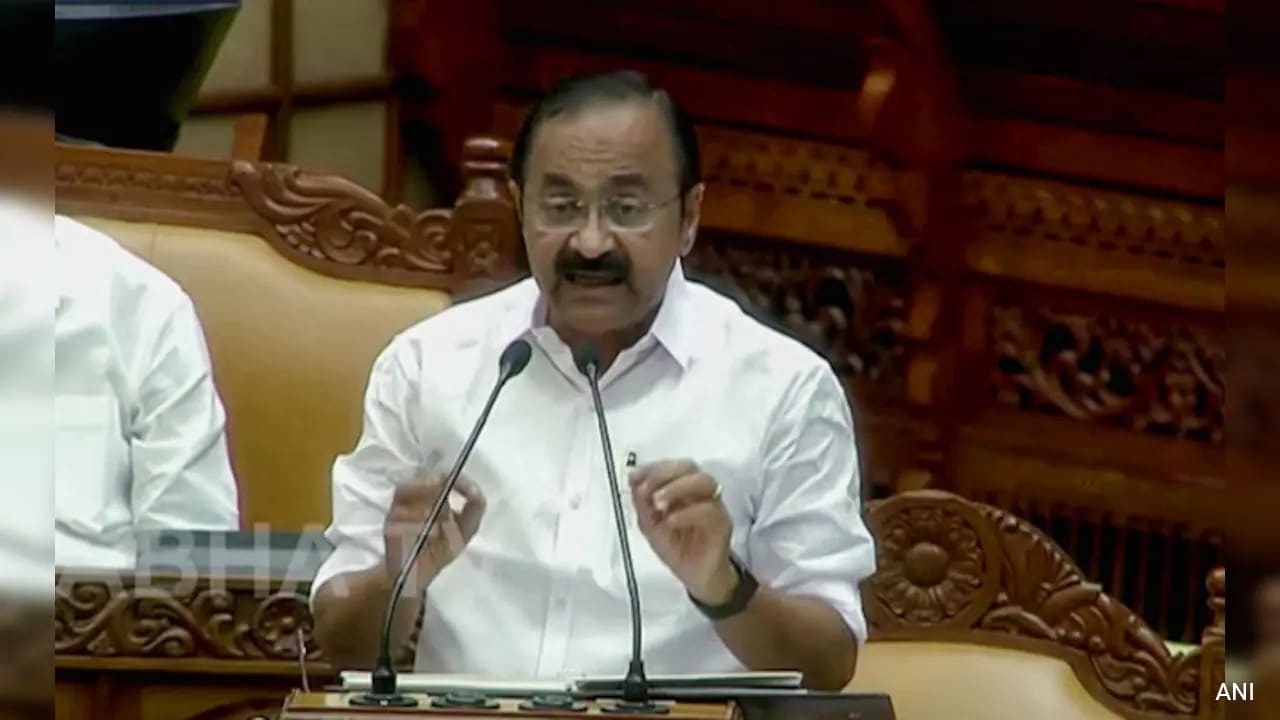
Ram Sewak Sharma, the founding director of UIDAI, has raised alarm over the Special Intensive Revision (SIR) process. He argues that ignoring Aadhaar as a valid address proof adds undue burden on citizens and threatens democratic inclusivity.
मुख्य बिंदु (Key Takeaways)
- Not using Aadhaar as address proof places extra documentation burden on voters.
- SIR’s document‑heavy method risks disenfranchising eligible citizens.
- India’s Digital Public Infrastructure must be leveraged fully to uphold democratic rights.
Ram Sewak Sharma, the architect behind the Unique Identification Authority of India (UIDAI), has voiced serious concerns about the Special Intensive Revision (SIR) of electoral rolls. He contends that the government’s refusal to treat Aadhaar as a credible address proof squanders a sophisticated digital identity system that the world admires.
Technical Foundations of Aadhaar
Aadhaar is the world’s largest biometric database, housing not only a unique 12‑digit identifier but also fingerprints, iris scans, and age verification. This infrastructure underpins a multitude of welfare schemes, enabling direct benefit transfers to bank accounts. Yet, the SIR now demands citizens produce birth certificates, residence proofs, and citizenship documents—information that the state itself often fails to maintain accurately.
Beyond Paperwork: Democratic Risks
Sharma argues that this document‑heavy approach disproportionately affects rural and marginalized populations, creating barriers to voting rights. When the state is lax in keeping its own records, shifting the verification burden onto citizens is neither fair nor constitutional. The risk of disenfranchisement escalates, undermining the principle of equality enshrined in the Indian Constitution.
Judicial Oversight and Election Commission Duties
The Supreme Court initially urged the Election Commission to adopt an inclusive stance when the SIR process began, but observed a lax response during the West Bengal rollout. The apex court must revisit this stance, compelling the commission to harness Aadhaar’s full capabilities—biometric and age data—to safeguard voter inclusion.
In essence, Aadhaar should be viewed not merely as an identity card but as a comprehensive social security tool. Ignoring its potential defeats the core philosophy of India’s Digital Public Infrastructure (DPI), which aims to ask less of citizens while delivering more services.