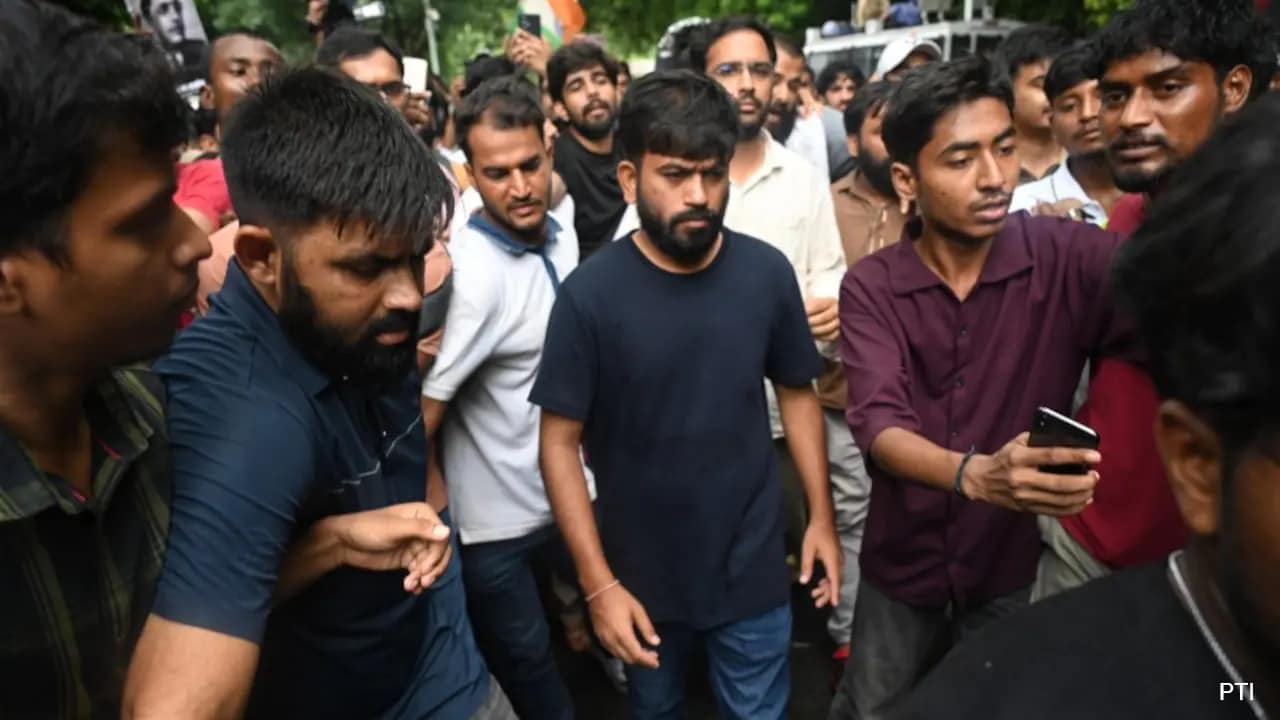
The All India Station Masters' Association (AISMA) staged a protest in Madurai, demanding relief from 48‑hour continuous shifts caused by a severe shortage of staff. The union seeks overtime pay, reduced duty hours, and night‑shift allowances.
Key Takeaways
- 572 Station Master posts in Madurai division, 70 remain vacant
- Manpower shortage forces 48‑hour continuous duty, breaching safety norms
- AISMA demands 8‑hour duty, overtime, and night‑shift allowance
The All India Station Masters' Association (AISMA) organised a large‑scale protest in Madurai on Tuesday, condemning the railway administration’s decision to compel station masters to work prolonged 48‑hour continuous rosters. The protest highlights a critical staffing gap: out of 572 designated positions in the division, 70 are currently vacant, placing immense operational strain on remaining staff.
Background
Madurai Junction is a pivotal rail hub with frequent train movements and shunting operations. Recognising the intensive nature of duties at this hub, the railway had officially classified the work as “intensive” and prescribed a maximum of 36 hours of duty per rotation. However, due to the acute shortage of station masters, the administration has effectively extended duty periods to 48 hours, contravening established safety guidelines.
Union Demands
In a memorandum submitted to railway officials, AISMA outlined several urgent demands:
- Replace the current 12‑hour duty model with an 8‑hour duty schedule across all 14 stations in the division
- Provide overtime compensation for the additional hours worked
- Introduce a night‑duty allowance for all cadres of station masters
- Accelerate the recruitment process to fill vacant posts within eight months
Safety and Efficiency Concerns
Continuous 48‑hour shifts exacerbate fatigue, jeopardising both employee health and operational safety. Experts warn that fatigue heightens the risk of human error, a leading cause of railway incidents. Moreover, denying leave due to staff shortages undermines morale and erodes efficiency.
Potential Outcomes
If the administration fails to address these concerns, the likelihood of further industrial action and public disruption escalates. Conversely, prompt recruitment and the implementation of fair compensation could restore workforce confidence and safeguard the reliability of India’s rail network.