The Cockroach People’s Party (CJP) has staged an all‑night sit‑in at Jantar Mantar demanding the resignation of Education Minister Dharmendra Pradhan. The author spent the night as a participant, witnessing a convergence of activists, students, and everyday citizens.
Key Takeaways
- CJP’s protest began on June 28, calling for Education Minister Dharmendra Pradhan’s resignation.
- Social activist Sonam Wangchuk’s indefinite hunger strike has drawn nationwide attention.
- Jantar Mantar is evolving from a purely political arena to a broader civic gathering space.
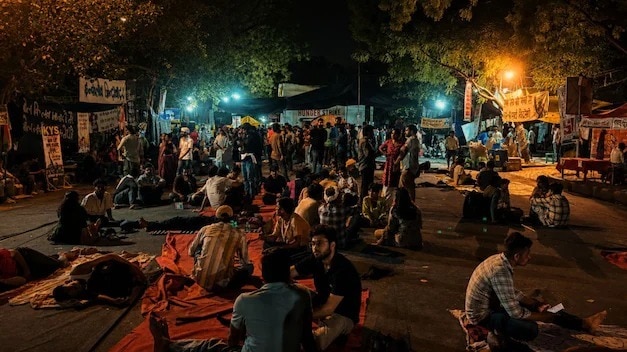
Jantar Mantar in New Delhi has long been a symbolic ground for citizens demanding accountability from the government. On July 15, 2026, the author chose to spend an entire night there, not as a reporter but as a self‑declared “cockroach”—a term the protestors themselves use for participants—while the Cockroach People’s Party (CJP) continued its demand for the resignation of Education Minister Dharmendra Pradhan. The protest also supports social reformer Sonam Wangchuk’s indefinite hunger strike, adding another layer of urgency.
Background of the Demonstration
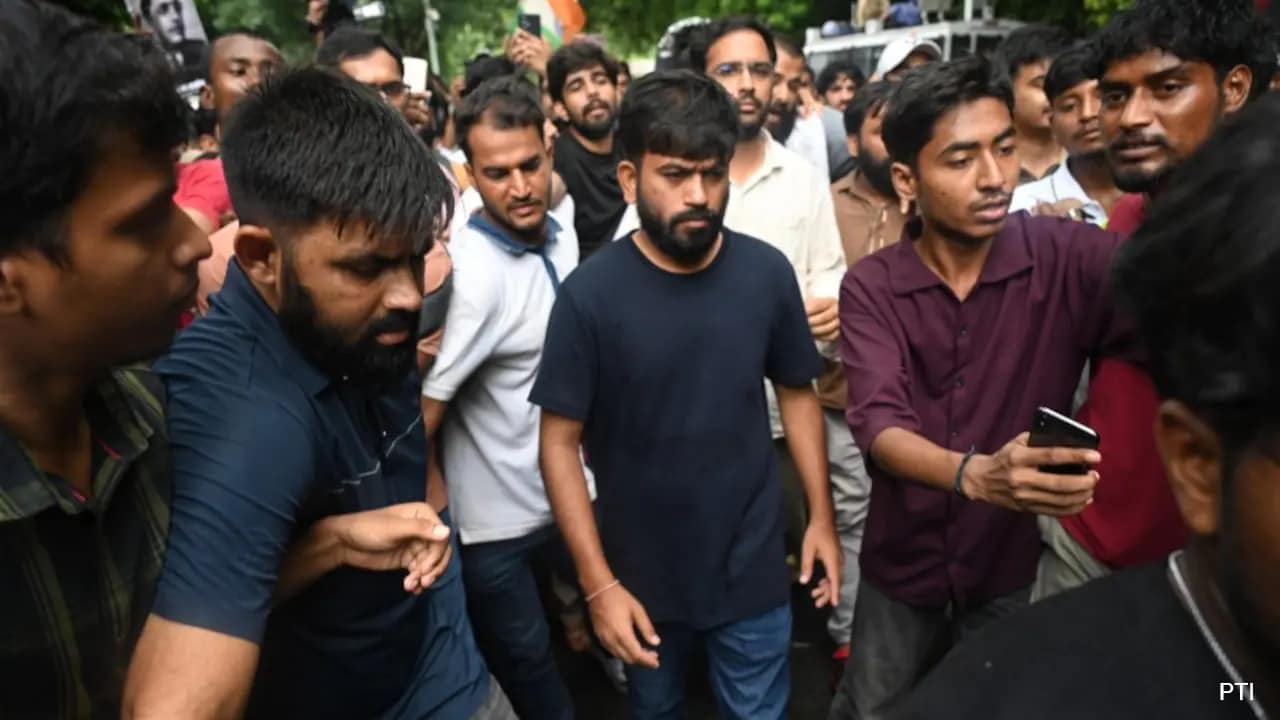
The CJP launched its first rally at Jantar Mantar on June 28, led by activist Abhijit Dipke. Since then, the movement has swelled, drawing students, professionals, senior citizens, and activists under a single banner. The author, a frequent visitor to the site, noted that this time his intent was to experience the protest from the inside, sharing the same space as the demonstrators rather than merely covering it.
On‑Ground Observations
At the main entrance, Delhi Police and the Rapid Action Force (RAF) conducted an anti‑sabotage security check on every entrant, including the author. A police constable revealed that crowds peak around 6 p.m.—a prediction that proved accurate within half an hour as the footpath outside filled with commuters, students, and families. Inside, most plastic chairs were occupied by police personnel, while a few remained empty for demonstrators.
Diverse Crowd Dynamics
Among the participants were office‑goers heading home, college students waving banners, elderly couples concerned about their grandchildren’s education, and couples simply strolling and snapping photos. Many youths appeared more interested in creating Instagram reels than listening to speeches, yet the name echoing most often was Sonam Wangchuk’s, reflecting widespread concern for his health on the 17th day of his hunger strike.
Implications for the Future
As CJP’s protest gains momentum, the central question is whether it will translate into substantive policy change or remain a symbolic stand. The night at Jantar Mantar highlighted the multi‑dimensional nature of modern movements—logistical challenges, security protocols, and a mosaic of participants from varied socio‑economic backgrounds. The author concludes that the protest underscores the necessity of inclusive dialogue in a thriving democracy.