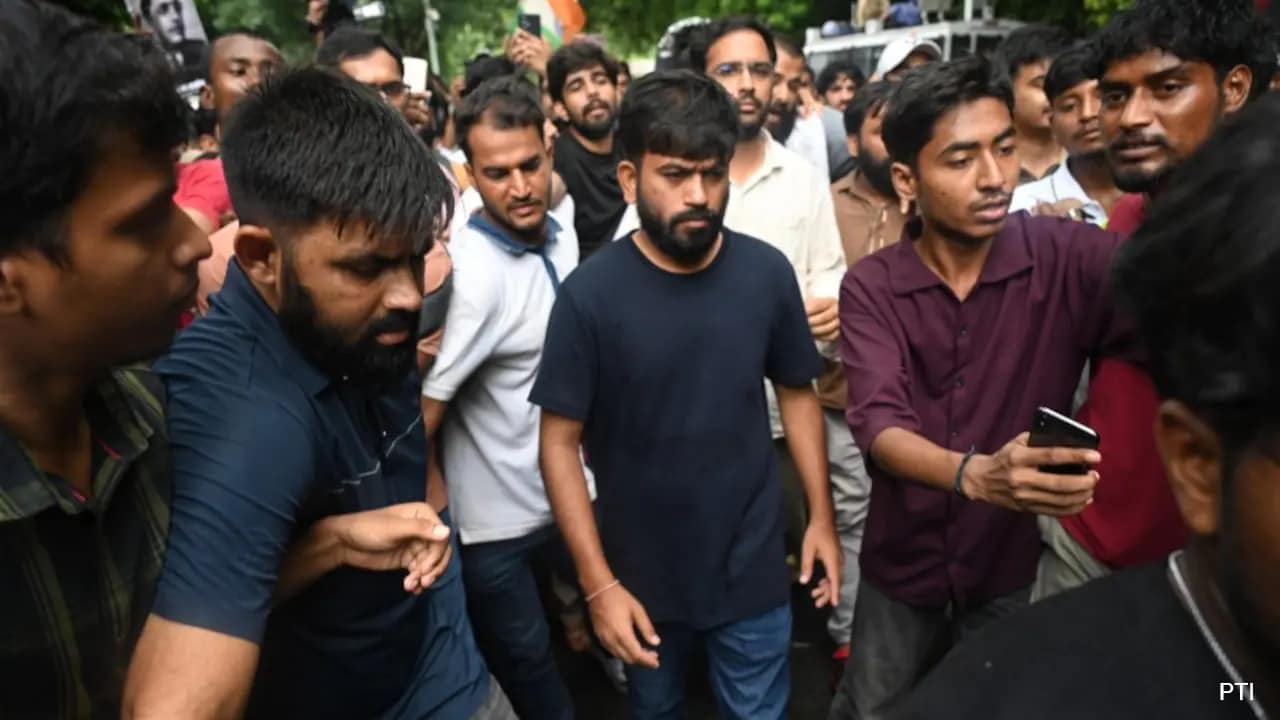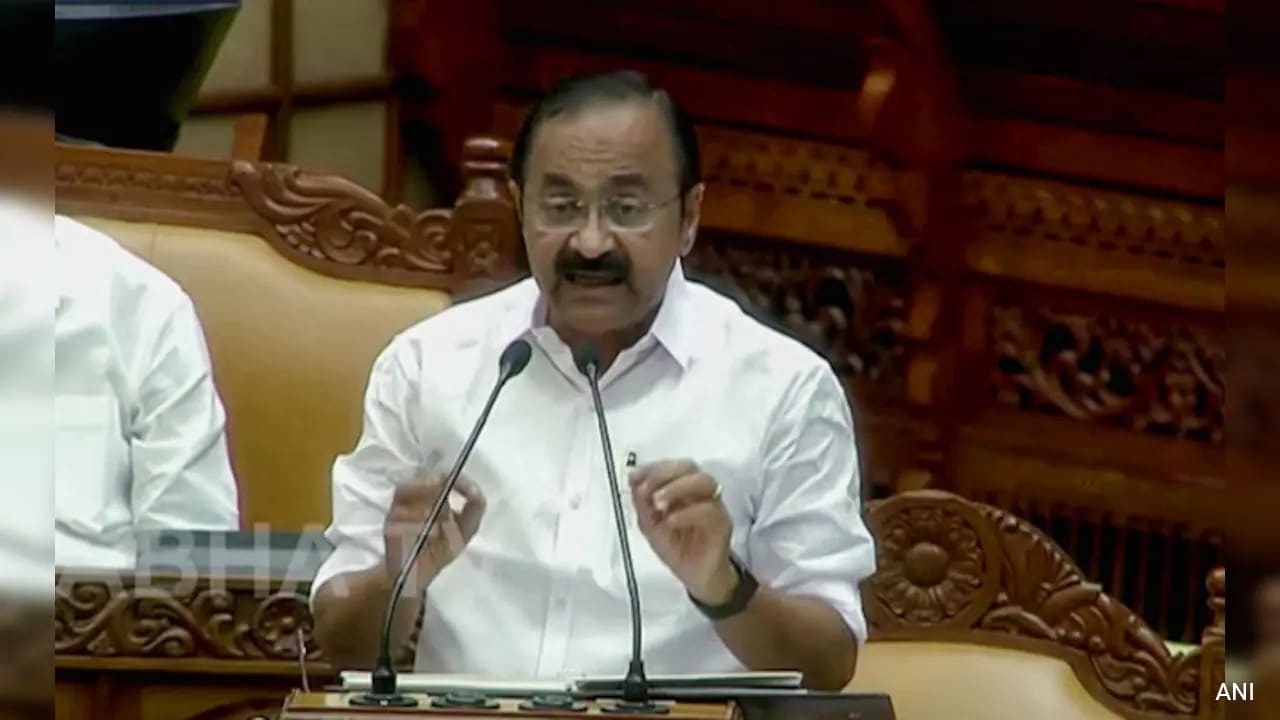
Chief Minister D.K. Shivakumar announced that the state will not forcibly acquire farmland for the Greater Bengaluru Integrated Township (GBIT) and a review committee will be set up. He labeled the protests as politically motivated and urged calm among the farming community.
Key Takeaways (मुख्य बिंदु)
- Karnataka will not forcibly acquire land for the Bidadi township project.
- CM D.K. Shivakumar has ordered a committee to review the GBIT proposal.
- Protests are portrayed as a political conspiracy, while former PM H.D. Deve Gowda opposes the scheme.
Bengaluru, July 15, 2026 – Karnataka Chief Minister D.K. Shivakumar clarified at a press conference outside the Vidhana Soudha that the state will not compel any farmer to surrender land for the Greater Bengaluru Integrated Township (GBIT), popularly known as the Bidadi township. He announced the formation of a dedicated committee that will examine the project’s feasibility and land‑acquisition modalities in the coming days.
Historical backdrop of the GBIT scheme
The GBIT project traces its origins to 2006, when then‑Chief Minister H.D. Kumaraswamy earmarked the development as a cornerstone of Karnataka’s urban expansion. Successive administrations have kept the plan alive, but the core issue – the forced eviction of entire villages in the Bengaluru South district – has repeatedly ignited farmer unrest. Original orders called for the relocation of entire gram panchayats, creating a lingering sense of insecurity among agrarian communities.
Political dynamics and protest narrative
Shivakumar dismissed the ongoing protests as “politically motivated” and described them as a conspiracy designed to mislead farmers. His remarks came in direct response to a rally held a day earlier by former Prime Minister and Janata Dal (Secular) leader H.D. Deve Gowda, who demanded a complete withdrawal of the project. “I am telling the farmers and women that the government does not need to acquire land forcibly. If anyone wishes to sell, they may do so once the acquisition notification is issued,” Shivakumar asserted.
Real‑estate interests and past controversies
The chief minister highlighted that the township was initially handed over to real‑estate giant DLF, which was asked to provide a security deposit of roughly ₹400 crore and sign an agreement within 15 days. He questioned, “Who wrote to DLF asking them to pay the deposit and sign the pact?” By pointing to past dealings, Shivakumar attempted to separate the current agenda from alleged private‑sector profiteering, emphasizing continuity rather than personal ambition.
Next steps and broader implications
The composition and leadership of the review committee will be finalized in an upcoming cabinet meeting, Shivakumar said. He stressed that GBIT is not his “dream project” but a continuation of decisions taken by multiple chief ministers and industry ministers over the years. The move signals Karnataka’s intent to balance rapid urban growth with the protection of farmer rights, a delicate act that will shape the state’s developmental trajectory for years to come.