The Trinamool Congress warned the central government that it will be held responsible if Sonam Wangchuk’s health deteriorates further. The party has urged Education Minister Dharmendra Pradhan to open a dialogue, as the activist has lost over eight kilograms after 18 days of fasting.
Key Takeaways
- Sonam Wangchuk has been fasting for 18 days; health is extremely critical
- Trinamool Congress holds the Centre accountable and seeks dialogue
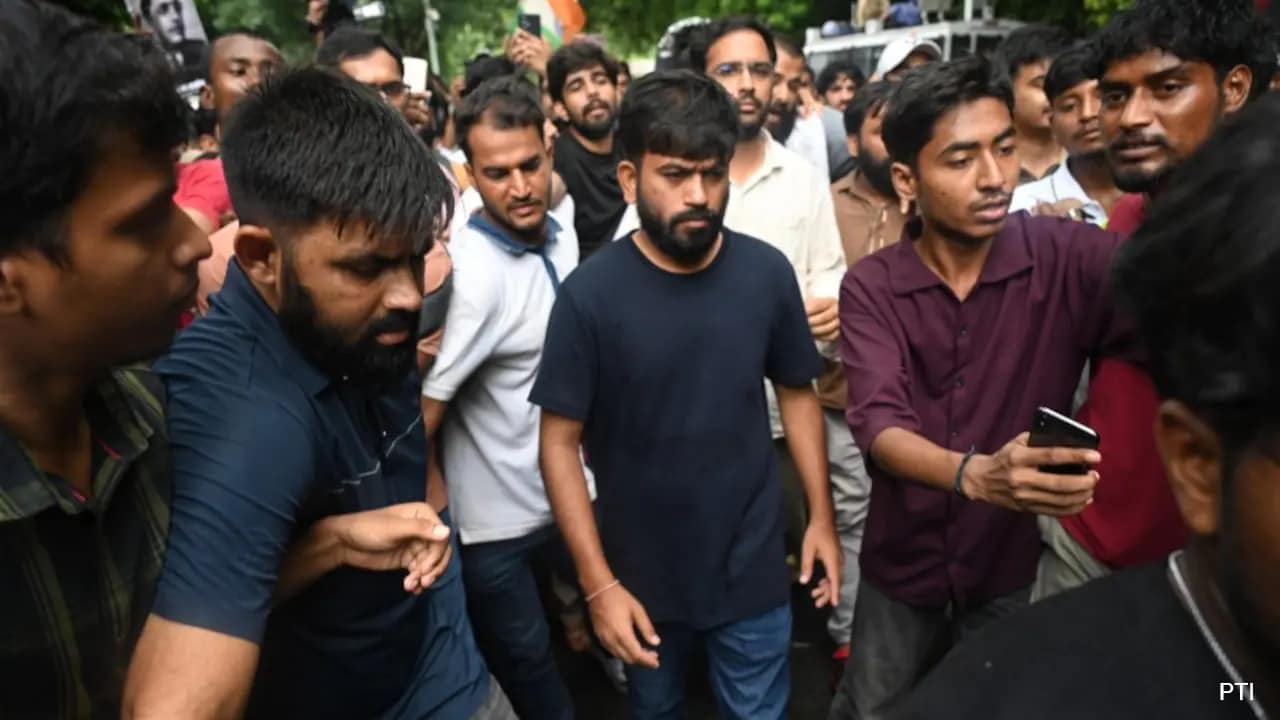
- Large‑scale student protests over alleged NEET and CBSE exam irregularities
Trinamool Congress leader Saket Gokhale wrote to Union Education Minister Dharmendra Pradhan stating that the central government would be responsible “if anything happens” to activist Sonam Wangchuk. Wangchuk, who began a hunger strike on June 28 under the banner of the Cockroach Janta Party (CJP), has become the focal point of a nationwide debate on exam integrity.
Background
The protest stems from repeated allegations of paper leaks and irregularities in the NEET and CBSE examinations. Student bodies and civil society groups claim that these lapses have led to suicides among aspirants, prompting demands for the minister’s resignation. Wangchuk positions himself as a “true Gandhian,” championing the cause of millions of students who feel betrayed by the system.
Current Status of the Fast
After 18 days without food, Wangchuk has lost more than eight kilograms and remains under round‑the‑clock medical supervision. Authorities describe his condition as “extremely critical,” yet the activist has refused to end his fast until his demands are met. Numerous opposition figures have expressed solidarity, but the central government has yet to engage directly.
TMC’s Response
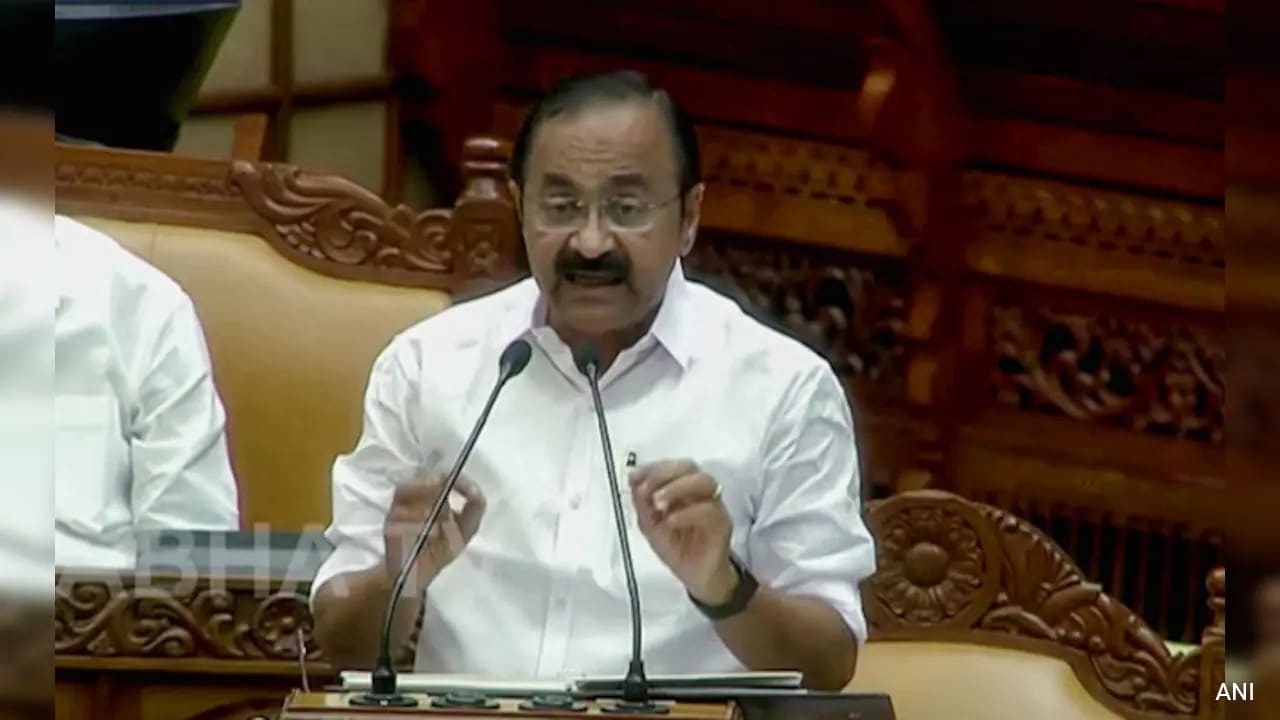
In the letter, Gokhale accused the minister of shirking responsibility, citing a televised interview where Pradhan allegedly accepted blame for the exam scandals. “In a democracy, the moral course of action is for the responsible minister to resign,” Gokhale wrote, urging the minister to at least open a line of communication with Wangchuk. He criticized the Modi government’s “shameful and pathetic silence.”
Potential Implications
If Wangchuk’s health further deteriorates, it could trigger a broader crisis of confidence in India’s education system and public health oversight. The episode underscores the need for transparent reforms in exam administration, as well as a willingness from the government to address student grievances promptly. Failure to act may fuel more widespread protests and deepen public disillusionment with the democratic process.