Following its electoral rout in Tamil Nadu, the DMK has embraced organizational restructuring, but analysts suggest the party may be misdiagnosing a deeper shift in voter psychology.
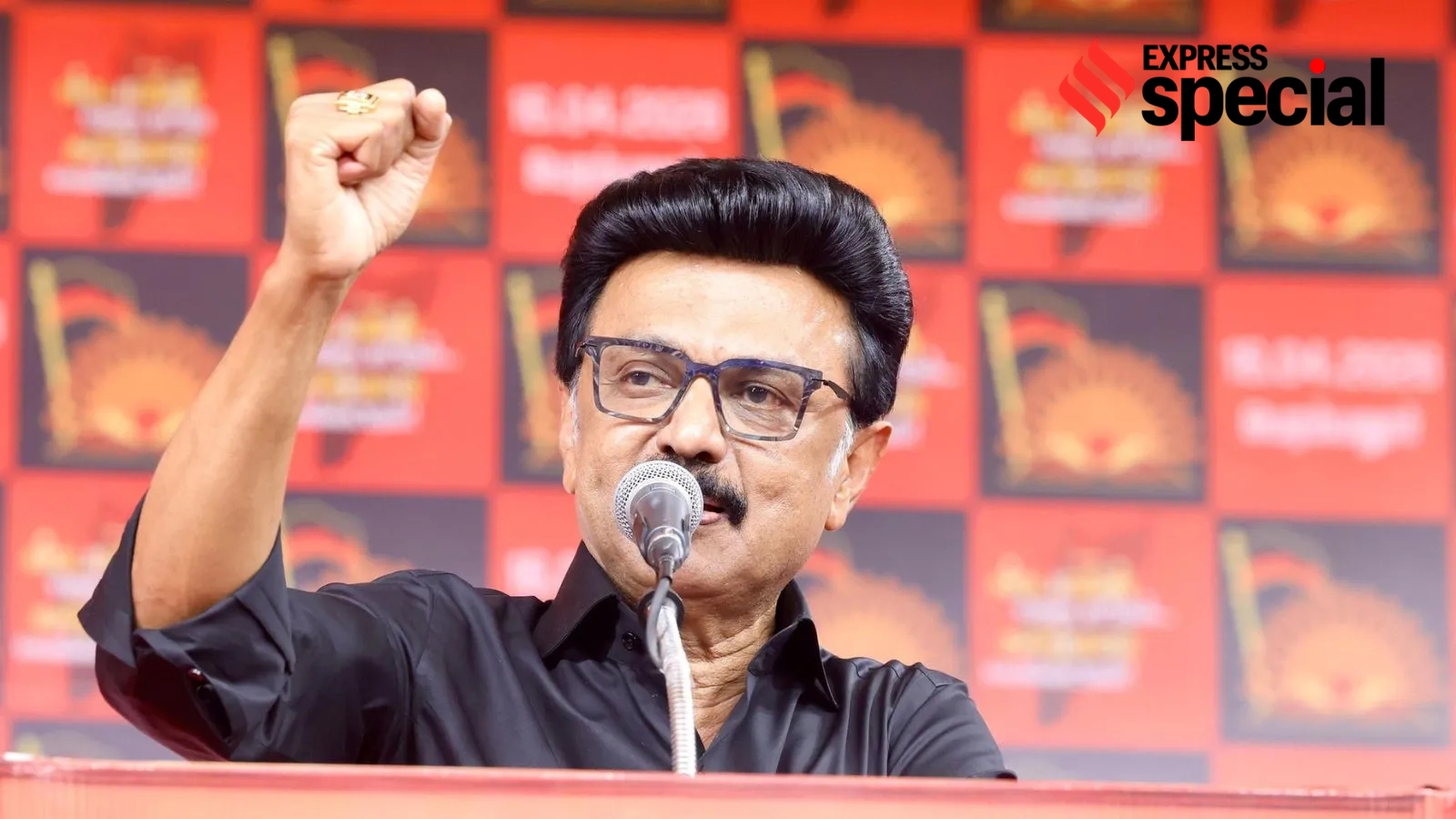
Three months after being routed from power in Tamil Nadu, the DMK is grappling with more than just lost seats. Party president and former Chief Minister M K Stalin recently addressed the party's executive committee, attempting to reconcile the party's historical identity with its recent failure. While Stalin has called for a structural revamp, a fundamental question remains: has the party understood why the electorate turned away?
Stalin was notably candid about the party's internal decay. He pointed toward inaccessible office-bearers, entrenched local hierarchies, and the issue of fake membership figures. Using a poignant metaphor, he remarked, "A lamp that gives light to an entire town cannot see the darkness beneath itself," referring to the party's blind spots regarding its own local leadership. He has proposed age limits, tenure caps, and genuine membership drives to modernize the 75-year-old movement.
Why This Matters
BozokMedia analysis shows that the DMK is facing an existential crisis that transcends mere management. The party is attempting to treat a shift in political legitimacy as a simple organizational malfunction. While fixing the 'machinery' is necessary, it may not address the new political architecture that has emerged in the state.
If people without sufficient struggle, ideology, or organization defeated a party possessing all three, what exactly did voters choose?
The rise of C Joseph Vijay and his TVK party represents a paradigm shift. Unlike the DMK, which relies on decades of grassroots struggle and ideological rigor, TVK leveraged fandom, digital culture, and a sense of exhaustion with the status quo. This victory challenges the very foundation of Dravidian politics—the belief that power must be earned through long-term political apprenticeship and ideological commitment.
| Feature | DMK Approach | TVK Approach |
|---|---|---|
| Political Basis | Ideology & Struggle | Celebrity & Fandom |
| Structure | Rigid Hierarchy | Digital & Agile |
| Voter Connection | Traditional Grassroots | Digital Culture & Direct Appeal |
Historical Background
For decades, the DMK has been the cornerstone of Tamil Nadu's political landscape, built on the pillars of social justice, rationalism, and linguistic pride. It transformed from a movement into a massive institution that governed through a highly structured organizational network. However, this very institutionalization may have led to the stagnation Stalin is now trying to fix.
Frequently Asked Questions
1. What reforms is M K Stalin proposing?
Stalin is proposing organizational elections, age limits for certain positions, and a verification process to eliminate fake memberships.
2. Why is the TVK victory considered a threat to DMK?
TVK's success proves that voters are willing to bypass traditional political structures and ideological requirements in favor of charismatic leadership and digital engagement.