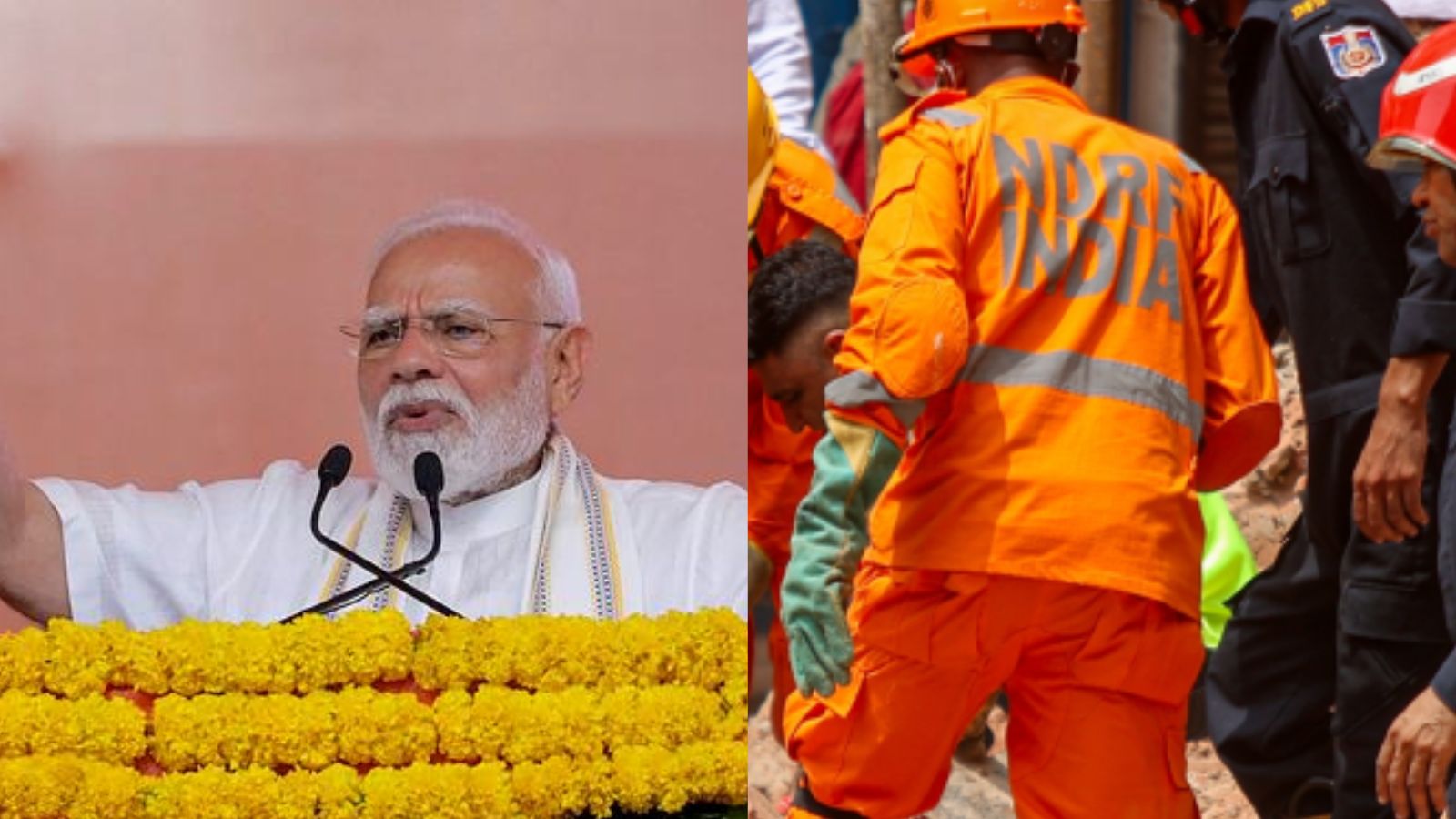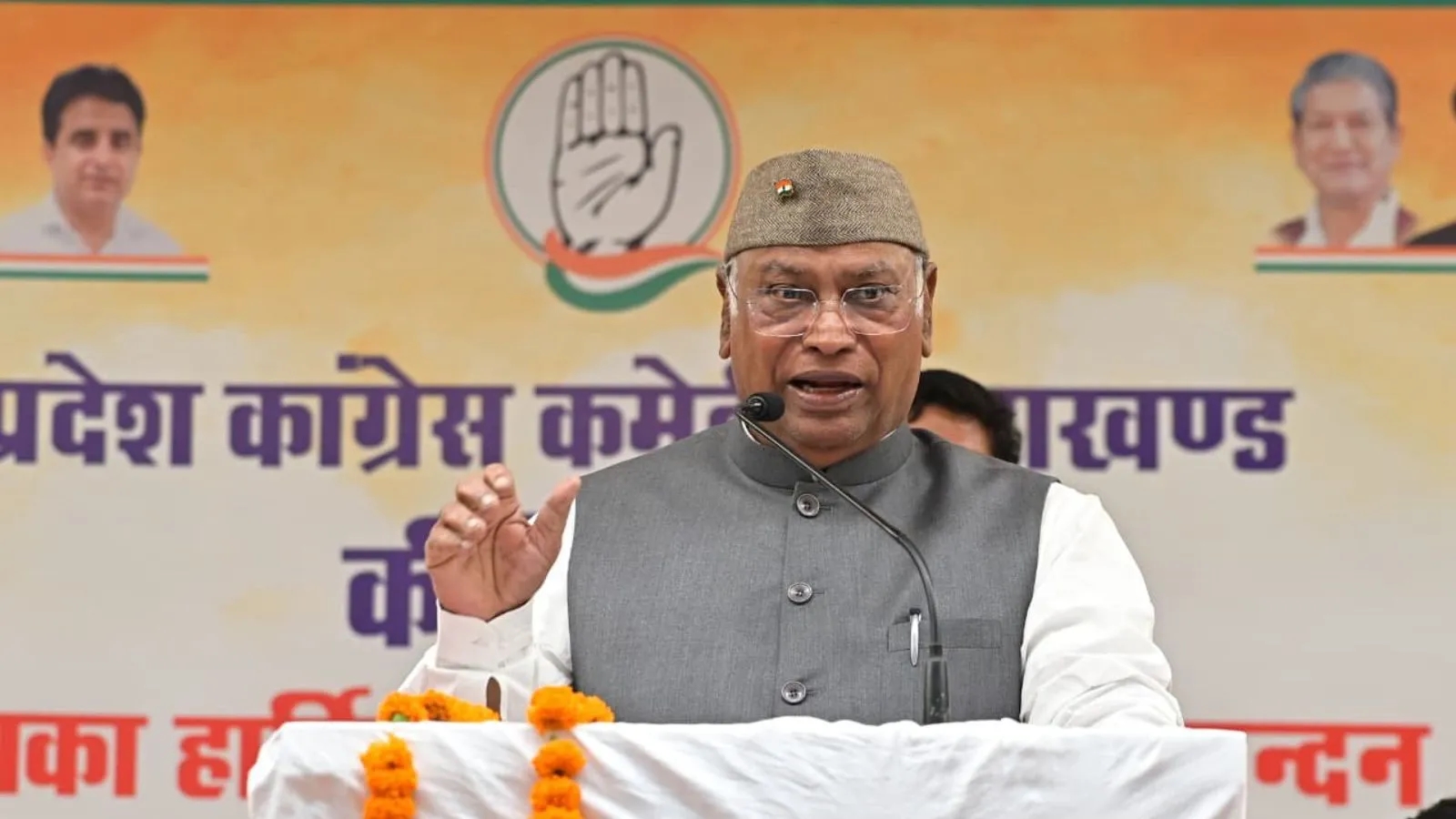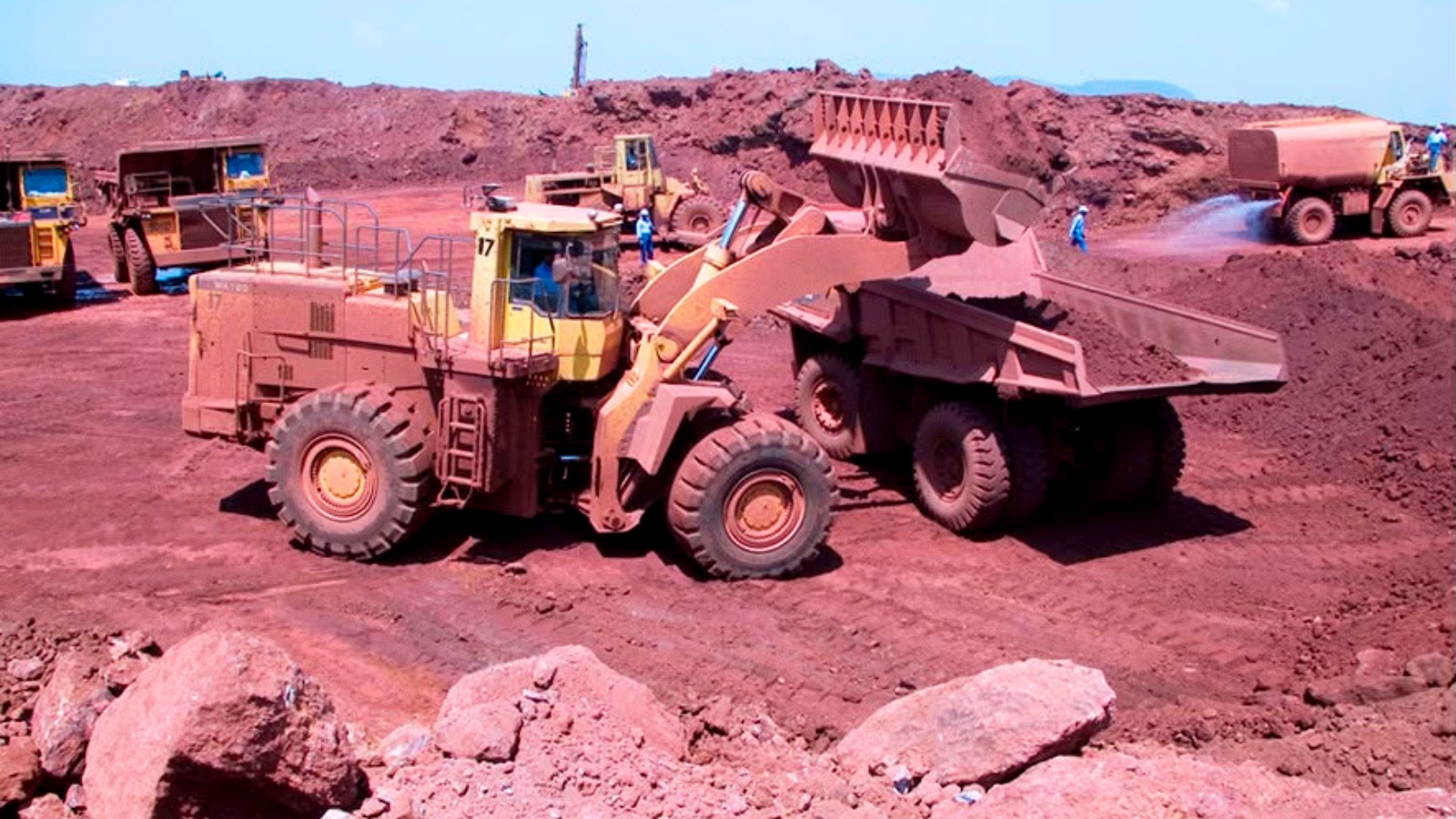
A clash has erupted between the Central Government and Odisha over the MMDR Amendment Act 2026, which limits states' powers to tax mining lands, overriding a key 2024 Supreme Court ruling.
- The MMDR Amendment Act 2026 limits the ability of states to levy taxes on mineral-bearing lands.
- BJD claims Odisha faces potential annual losses of ₹12,000 crore and arrears of ₹1 lakh crore.
- The law contradicts a 2024 Supreme Court ruling that granted exclusive taxing powers to states.
The political landscape of Odisha has been shaken by the passage of the Mines and Minerals (Development and Regulation) Amendment Act, 2026. Former Chief Minister Naveen Patnaik has termed the day of its passage as a "black day for Odisha," alleging that the legislation was rushed through Parliament with minimal discussion despite its severe implications for the state's economy.
At the heart of the conflict is the tension between national uniformity and state autonomy. The 2026 amendment seeks to establish a uniform national tax framework for major minerals. In doing so, it effectively neutralizes the financial benefits of a landmark July 2024 Supreme Court ruling, where a 9-judge bench upheld the power of states to tax mineral-bearing lands and collect arrears dating back to 2005.
Why This Matters
BozokMedia analysis shows that this dispute transcends simple accounting; it is a fundamental clash over the nature of Indian federalism. By legislating away a judicial victory for the states, the Centre is signaling a shift toward a more centralized control over natural resources. For a resource-rich state like Odisha, this represents a significant erosion of fiscal sovereignty.
"When the Union overrides specific judicial grants of power to the states, it weakens the constitutional balance of power essential for a diverse federation."
The ruling BJP and state ministers, including Steel and Mines Minister Bibhuti Jena, argue that the move is necessary to prevent "arbitrary and multi-level levies" that would stifle the industrial ecosystem. Jena pointed out that state earnings have already surged from ₹5,000 crore pre-2014 to ₹50,000 crore, largely due to previous reforms in 2015.
Historical Background: The MMDR Act of 1957 serves as the primary regulatory framework for mining in India. A pivotal shift occurred in 2015 when the government transitioned from discretionary allocation to competitive auctions. This era also saw the creation of the District Mineral Foundation (DMF), designed to ensure mining benefits reach local communities. However, the recent 2026 amendment has reignited the age-old debate over who truly owns the wealth beneath the soil.
| Stakeholder | Core Argument | Projected Impact |
|---|---|---|
| BJD / Opposition | Attack on Federalism | Loss of ₹1 Lakh Crore in arrears |
| Centre / BJP | Industrial Stability | Improved Ease of Doing Business |
Frequently Asked Questions
Question 1: What is the MMDR Amendment Act 2026?
It is a federal law aimed at creating a uniform tax framework for minerals, limiting the power of state governments to impose independent taxes on mining lands.
Question 2: Why is the 2024 Supreme Court ruling important?
The ruling had granted states the exclusive power to tax mineral rights and lands, which would have allowed Odisha to recover massive arrears from mining companies.