The West Bengal government is set to introduce a landmark amendment allowing the transfer of teaching and non-teaching staff between state universities. While the government claims it will boost excellence in new institutions, academic bodies warn of a direct attack on university autonomy.
- The West Bengal government will introduce the Universities and Colleges Administration and Regulation Amendment Bill, 2026.
- The bill enables the state to transfer teaching and non-teaching staff across different state universities.
- Chief Minister Suvendu Adhikari views the move as 'historic,' while teachers' associations call it an attack on autonomy.
In a significant move that has sparked intense debate within the academic community, the BJP-led government in West Bengal is convening a one-day special session of the State Assembly this Thursday. The primary agenda is the introduction of the West Bengal Universities and Colleges Administration and Regulation Amendment Bill, 2026. This legislative move aims to grant the state government the power to transfer both teaching and non-teaching staff from one state university to another, a provision that currently does not exist in the state's educational framework.
The proposal, which received Cabinet clearance on Monday, introduces a new provision under Section 14A. According to government sources, this amendment will allow the administration to relocate employees based on institutional needs. To mitigate concerns, the government has clarified that the seniority of the transferred employees will remain intact and all transfer-related expenses will be borne by the state treasury.
Why This Matters
BozokMedia analysis shows that this move is not merely administrative but deeply political. By centralizing the transfer authority, the state government gains significant leverage over university faculty. While the stated goal is to distribute expertise to newer universities in regions like Jhargram and Cooch Behar, the timing coincides with heightened ideological tensions at institutions like Jadavpur University, where clashes between the ABVP and SFI have been frequent.
The centralization of faculty appointments and transfers often serves as a tool for political alignment within academic spaces, potentially compromising the spirit of independent research.
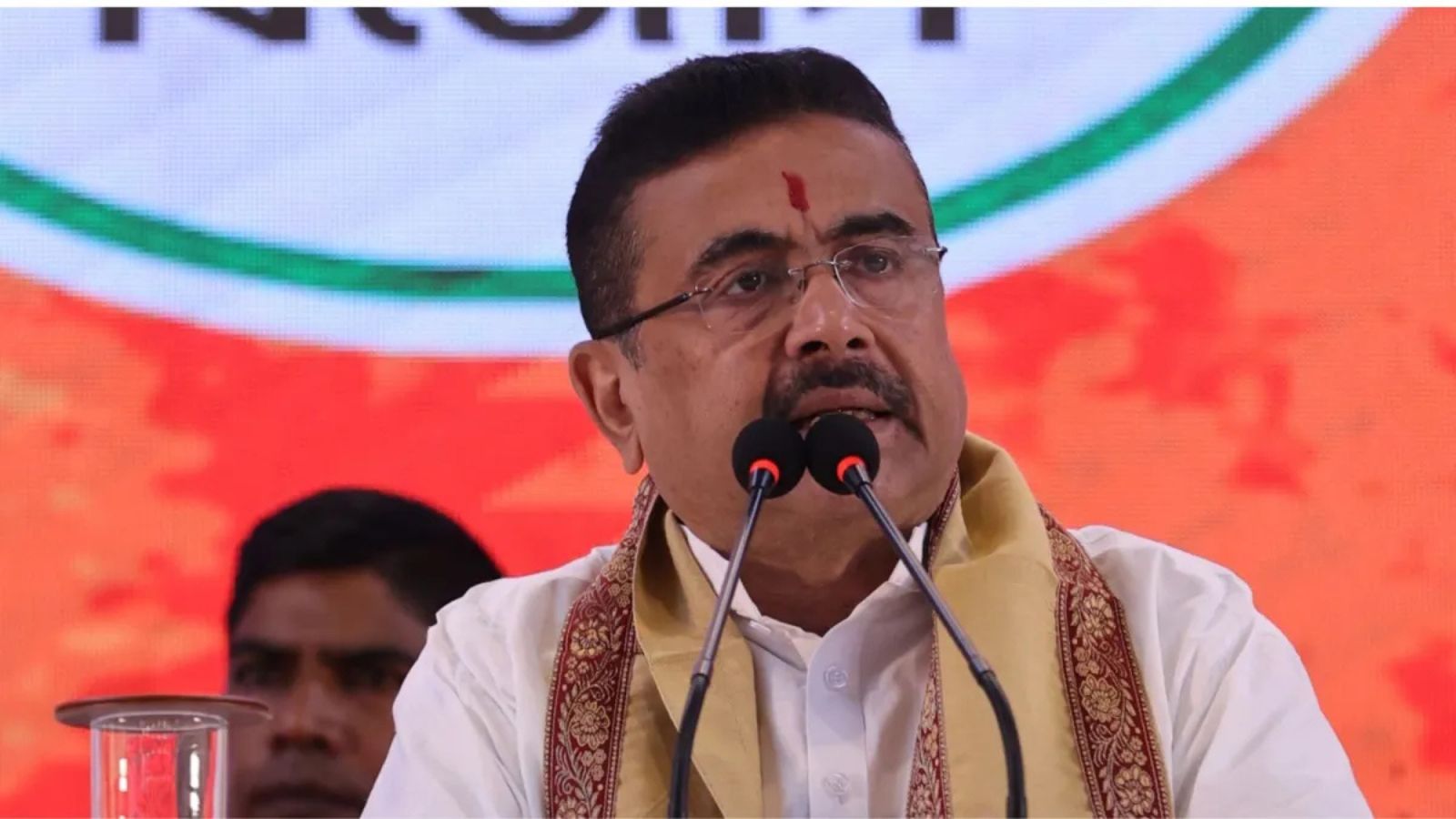
Chief Minister Suvendu Adhikari has framed the Bill as a necessity for regional development. Speaking during the Gerua Samman Yatra, Adhikari emphasized that experienced professors are needed to guide newer institutions toward becoming 'centres of excellence.' However, his rhetoric also took a sharp political turn, as he vowed to 'uproot' elements within Jadavpur University associated with Maoist ideologies or separatist slogans.
On the opposing side, the Jadavpur University Teachers Association (JUTA) and the Calcutta University Teachers Association (CUTA) have expressed grave concerns. They argue that the Bill violates the basic tenets of the University Grants Commission (UGC) and undermines the self-reliance of universities. The JUTA asserts that forcing employees to work under entirely different institutional conditions is against 'natural justice' and that such a model is unprecedented at either the state or central levels in India.
| Feature | Current System | Proposed Amendment (2026) |
|---|---|---|
| Inter-University Transfer | Not Permitted | Permitted via Section 14A |
| Transfer Authority | Institutional Governing Body | State Government |
| Seniority Status | Fixed to Institution | Maintained across Universities |
Frequently Asked Questions
Q1: Will the transferred teachers lose their seniority?
No, the government has stated that the seniority of the service for the employee will remain the same regardless of the transfer.
Q2: Why are teachers' associations opposing the Bill?
They believe it is an attack on university autonomy and job security, moving toward a centralized system that contradicts UGC guidelines.