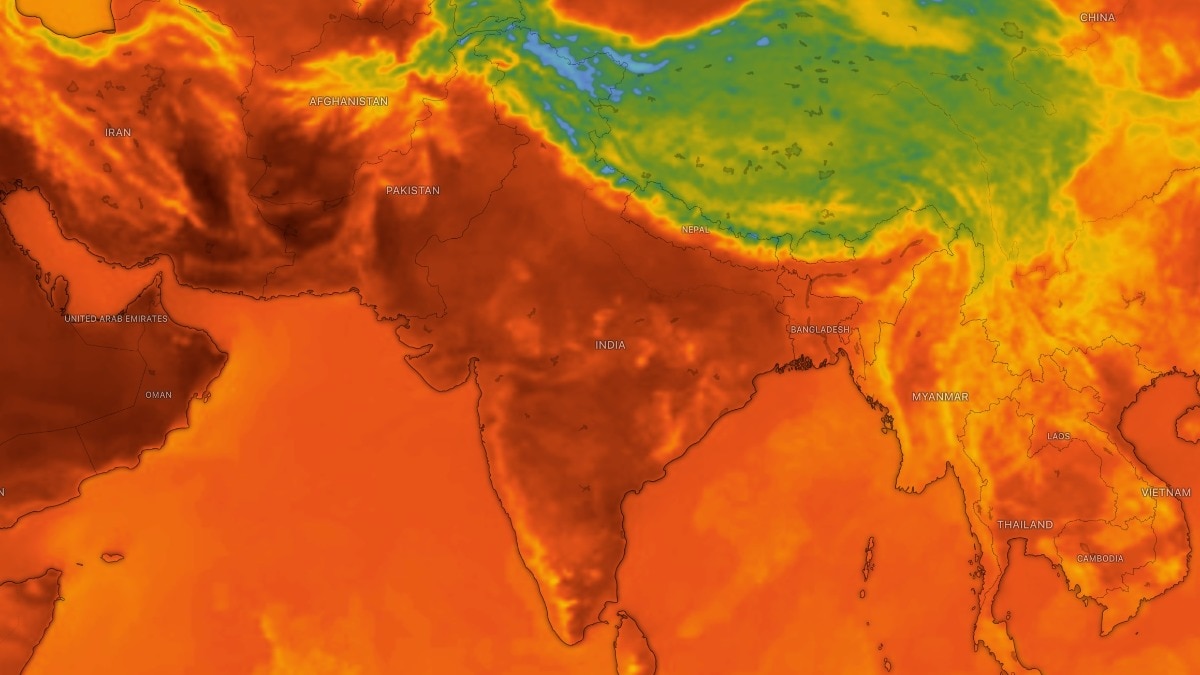
The World Meteorological Organization (WMO) has warned that El Nino is gaining strength, potentially triggering extreme heat, droughts, and disrupted rainfall patterns worldwide through 2026.
Key Takeaways
- El Nino is expected to intensify significantly during the August-October 2026 period.
- Sea surface temperatures in monitoring regions are projected to exceed 2.9°C.
- Risks include extreme heatwaves, severe droughts, and water stress globally.
- The UN calls for urgent preparation in agriculture and health sectors.
The world's leading weather agency, the World Meteorological Organization (WMO), has issued a high-level warning regarding the strengthening of El Nino. As ocean temperatures remain unusually high, this powerful climate driver is gathering momentum, threatening to reshape global weather patterns in the coming months. The phenomenon is expected to reach a peak intensity during the August-October 2026 window.
Why This Matters
BozokMedia analysis shows that the intensification of El Nino is not merely a regional concern but a global systemic risk. The coupling of exceptionally warm oceans with atmospheric shifts can lead to catastrophic failures in crop yields and water management systems. With NOAA increasing the odds of a "very strong" event to 63%, the window for proactive mitigation is closing rapidly.
El Nino has entered our home, adding to a world already battling extreme heat and devastating wildfires.
The Mechanics of the Crisis
El Nino occurs when sea surface temperatures in the central and eastern equatorial Pacific Ocean become warmer than usual. This shift alters the global atmospheric circulation. Currently, monitoring regions are seeing temperatures rise by more than 2.9°C, a clear indicator of a strong event. Furthermore, a positive Indian Ocean Dipole (IOD) may develop alongside it, further complicating weather predictability.
Historical Context
Historically, strong El Nino events have been linked to major disruptions in the global monsoon systems, causing devastating droughts in parts of Asia and Africa, while simultaneously triggering heavy flooding in South America. As fossil fuel emissions continue to rise, the baseline temperatures are higher, making these natural cycles even more destructive.
Frequently Asked Questions
1. How does El Nino affect global food security?
By disrupting rainfall, El Nino can cause widespread crop failures, leading to higher food prices and shortages.
2. Is El Nino caused by climate change?
While El Nino is a natural cycle, human-induced climate change is making its effects more frequent and more intense.