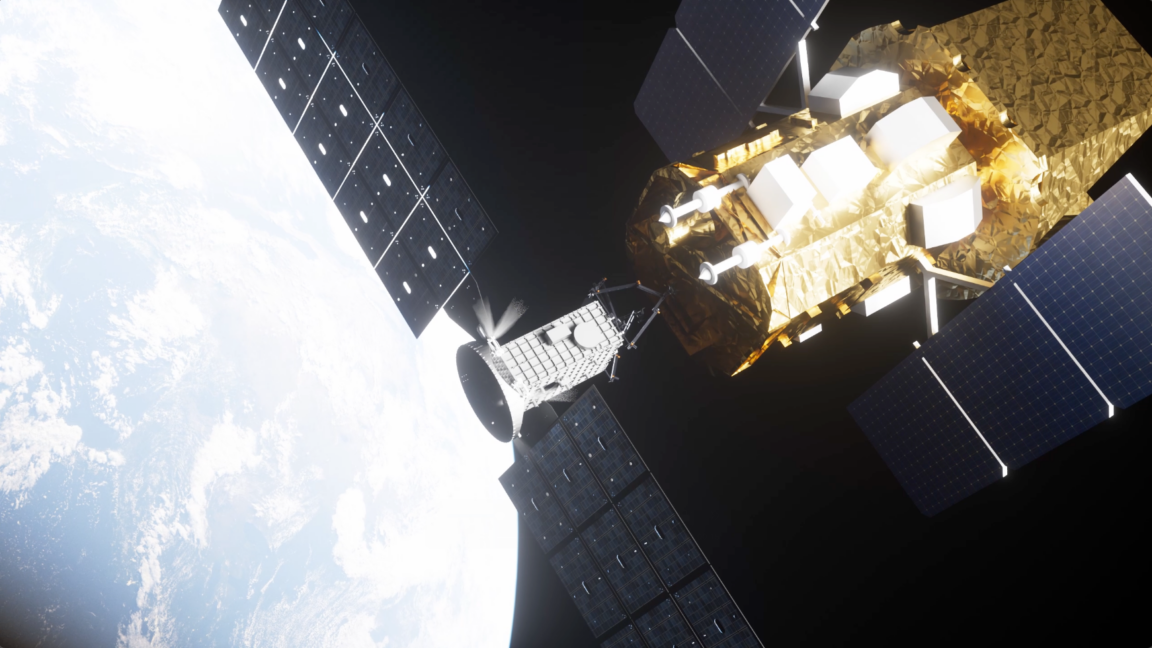
A 4,500‑kg Falcon 9 upper stage is expected to collide with the Moon near Einstein Crater on August 5, traveling at roughly 8,700 km/h. Scientists are closely monitoring the unprecedented impact.
Key Takeaways
- SpaceX's spent Falcon 9 upper stage will impact the Moon on August 5.
- Impact speed is estimated at 8,700 km/h (2.4 km/s).
- Researchers are tracking the event for potential scientific insights.
Journey of the Abandoned Stage
The Falcon 9 upper stage, launched in 2023 for a Mars mission, was left in Earth orbit after payload deployment. Subsequent gravitational assists nudged it onto a trajectory intersecting the Moon's orbit.
Why the Collision Is Inevitable
Orbital calculations show the stage will strike near the Einstein Crater at the stated speed, likely creating a small crater without causing significant damage to the lunar surface.
Historical Background
SpaceX has previously lost stages in unintended paths, such as the 2015 Falcon 9 second stage that lingered in low Earth orbit. These incidents underscore the growing challenge of space debris management.
Why This Matters
BozokMedia analysis shows that accidental lunar impacts provide rare opportunities to study impact dynamics without deliberate missions, offering insights into crater formation and lunar surface composition.
"This impact offers a unique natural laboratory to understand high‑velocity collisions on the Moon," says Dr. Emily Carter, planetary physicist.
Frequently Asked Questions
- Will the impact affect future lunar missions? No, the impact site is remote and poses no hazard to planned landings.
- How is SpaceX monitoring the event? The company uses telemetry data combined with ground‑based radar to track the stage's path.