President Donald Trump has signed a landmark space transportation policy aimed at developing new spaceports on federal land to support over 1,000 launches and reentries annually by 2030.
- Goal of supporting over 1,000 launches and reentries per year by 2030.
- Call for new spaceports on federal land for heavy-lift capabilities.
- Replaces the 2013 Obama-era space policy.
- Addresses the exponential growth of the commercial launch sector.
President Donald Trump signed a new national space transportation policy on Thursday, signaling a massive expansion of America's orbital capabilities. The policy calls for the rapid development of more spaceports to accommodate a projected surge of more than 1,000 launches and reentries every year by the year 2030.
This presidential memorandum officially replaces the 2013 policy established under former President Barack Obama. While both administrations emphasized the importance of supporting the commercial space industry and ensuring assured access to space, the scale of operations has shifted dramatically. The current landscape requires a much more robust infrastructure than what was envisioned a decade ago.
The Rapid Evolution of Launch Frequency
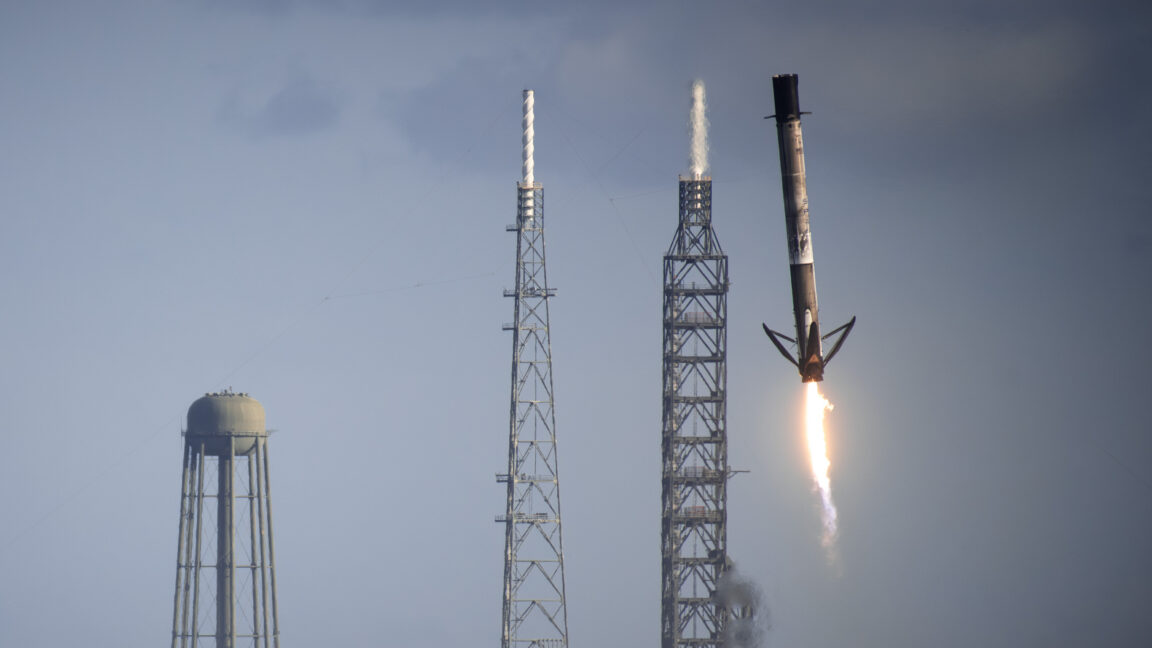
The launch sector has undergone a tectonic shift since 2013. Last year alone, there were 176 orbital launch attempts from U.S. soil—nearly a tenfold increase compared to the early 2010s. Leading this unprecedented boom is SpaceX, which successfully executed 165 orbital launches using its Falcon 9 rocket, alongside five suborbital test flights of the massive Starship vehicle.
"We probably need another site that's capable of heavy and super heavy launch capability."
Why This Matters
BozokMedia analysis shows that this policy is a direct response to the industrialization of space. As launch cadences move from monthly to weekly or even daily, the bottleneck shifts from rocket technology to ground infrastructure. By utilizing federal land for new spaceports, the administration aims to de-risk the supply chain for private aerospace giants and secure American dominance in the global space economy.
Historical Background
Since the dawn of the Space Age, U.S. policy has transitioned from government-led exploration to a public-private partnership model. The 2013 policy laid the groundwork for commercial participation, but the Trump administration's new directive seeks to scale that participation into a high-frequency, industrial-grade transportation network.
Frequently Asked Questions
Question 1: What is the primary objective of the new policy?
Answer: To build the infrastructure necessary to support over 1,000 space launches and reentries annually by 2030.
Question 2: Why is new federal land being considered for spaceports?
Answer: To provide the vast space and specialized facilities required for heavy and super-heavy lift launch vehicles.