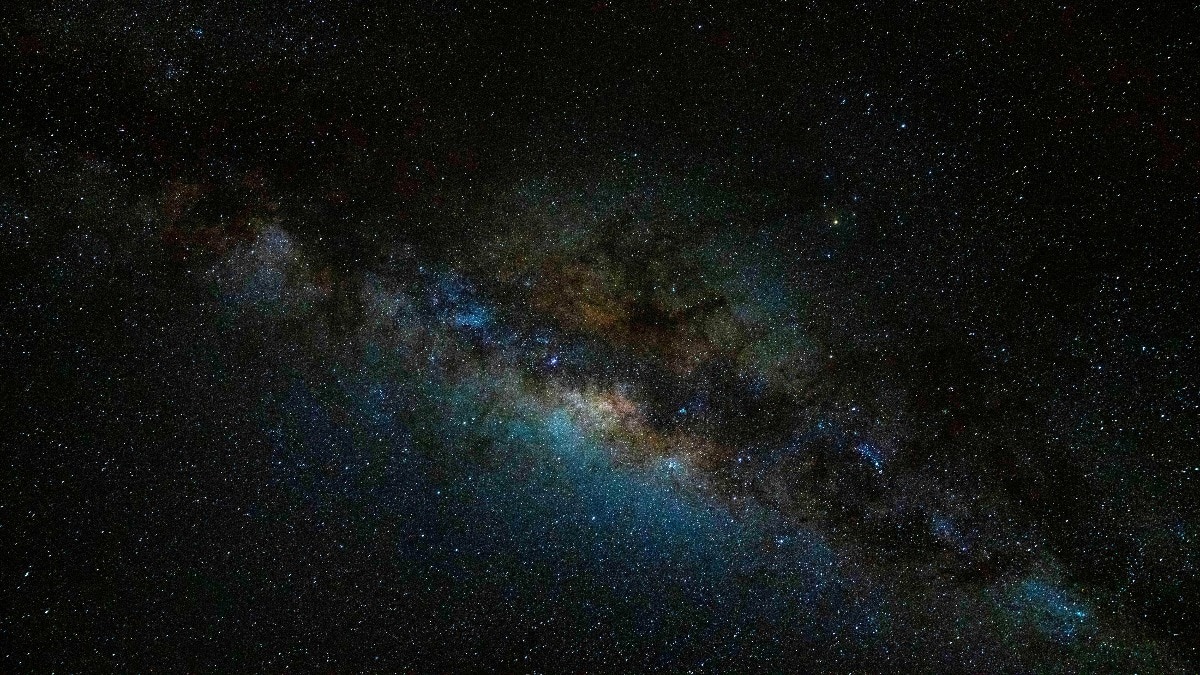
September promises a spectacular celestial display featuring the Milky Way, a brilliant Venus, and the rare Harvest Moon. Many of these sights can be enjoyed even without a telescope.
- Between Sept 14-20, the Moon will guide viewers toward the Milky Way's center.
- Venus will reach peak brightness on September 18.
- The month concludes with a rare pairing of the Harvest Moon and Saturn on Sept 26.
September is set to deliver a packed show to the night sky, offering a celestial spectacle for stargazers of all levels. From the dazzling glow of Venus to the hazy, ethereal center of the Milky Way, and the spectacular Harvest Moon rising alongside Saturn, the month is brimming with astronomical wonders. Remarkably, several of these events can be witnessed with the naked eye.
A Celestial Roadmap: Moon and Milky Way
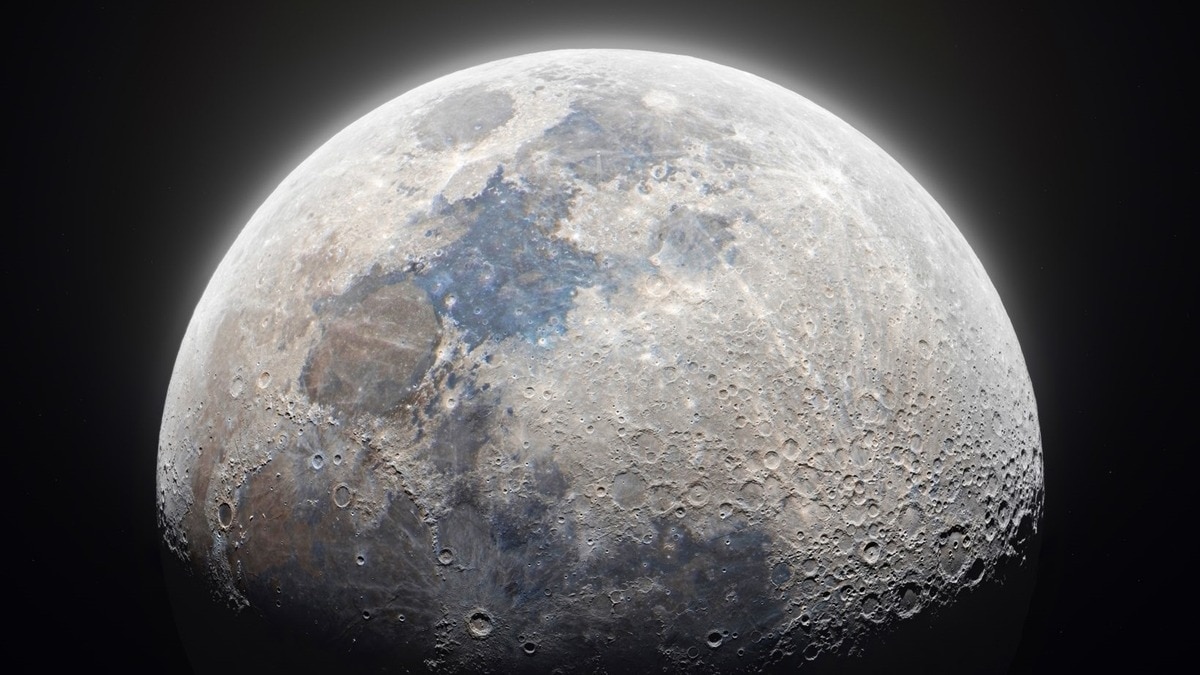
Between September 14 and 20, the Moon will serve as a natural guide to some of the most iconic sights in the evening sky. Approximately one hour after sunset, observers should look toward the south. As the Moon traverses the sky, it will pass near Antares, the brilliant reddish star at the heart of the Scorpius constellation. Following this, the Moon will point toward the 'Teapot'—a distinct star group in Sagittarius. From a sufficiently dark location, away from urban light pollution, you may witness a faint, cloudy band rising from the Teapot's spout: the center of our Milky Way galaxy.
Why This Matters
BozokMedia analysis shows that these periodic celestial alignments provide critical windows for amateur astronomers to engage with cosmic phenomena. As light pollution continues to rise globally, identifying these specific dates is essential for experiencing the true majesty of our night sky.
These cosmic alignments offer a rare window into the grand scale of our solar system and beyond.
Venus Peak and the Harvest Moon Phenomenon
On September 18, skywatchers should turn west shortly after sunset. Venus will be at its peak brightness during its current evening appearance, shining as an exceptionally bright point of light low above the western horizon. This makes it one of the easiest and most rewarding sights of the month. Furthermore, September 19 marks International Observe the Moon Night, adding more significance to the month's lunar events.
The month reaches its crescendo on September 26 with the appearance of the Harvest Moon. This full moon, which occurs closest to the September equinox, will rise in the east shortly after sunset. In a rare cosmic alignment, Saturn will appear nearby, while the much fainter Neptune will complete a broad triangle with the Moon and Saturn. While Saturn is visible to the naked eye, seeing Neptune will require binoculars or a telescope due to its magnitude.
Frequently Asked Questions
Can I see the Milky Way without a telescope?
Yes, if you are in a very dark location away from city lights, you can see the Milky Way with the naked eye.
When is the best time to see Venus this month?
The best time is September 18, shortly after sunset, looking toward the western horizon.