In a historic collaboration, NASA's Hubble and James Webb telescopes have identified 27 previously unknown Trans-Neptunian Objects, offering a rare window into the solar system's infancy.
- Detection of 27 new Trans-Neptunian Objects (TNOs) in the remote edges of the solar system.
- First-ever combined observation using Hubble (visible light) and Webb (infrared).
- Unexpectedly low number of small bodies challenges existing planet formation models.
For the first time, astronomers have synchronized the capabilities of NASA's Hubble Space Telescope and the James Webb Space Telescope (JWST) to penetrate the deepest, most mysterious reaches of our cosmic neighborhood. The mission targeted the faint, frozen remnants orbiting the Sun far beyond the orbit of Neptune.
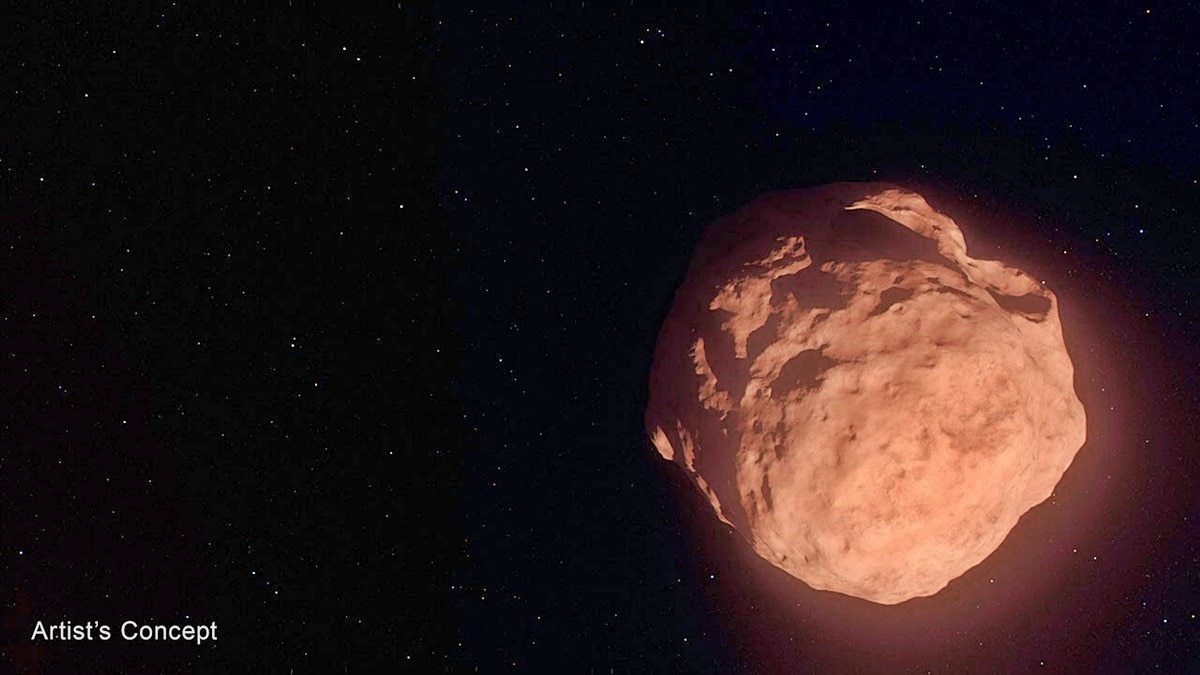
The result is the discovery of 27 Trans-Neptunian Objects (TNOs). These icy bodies are incredibly dim—some more than 100 million times fainter than the stars visible to the naked eye. By combining Hubble's visible light imagery with Webb's infrared sensitivity, scientists were able to determine the precise composition, size, and orbital paths of these distant worlds.
Historical Background: The Solar System's Frozen Archive
Billions of years ago, the early solar system was a chaotic swirl of dust and pebbles. These materials clumped together to form 'planetesimals,' the primary building blocks of planets. While the inner solar system saw these blocks merge into the planets we know today, the region beyond Neptune remained a cold wasteland where many objects never merged, effectively preserving a 'frozen record' of the solar system's birth.
Why This Matters
BozokMedia analysis shows that the most significant aspect of this discovery is not the number of objects found, but the number missing. Current models of planet formation predicted a much higher density of small icy bodies. This discrepancy suggests that our understanding of how planetesimals formed and collided in the early solar system may be incomplete or fundamentally flawed.
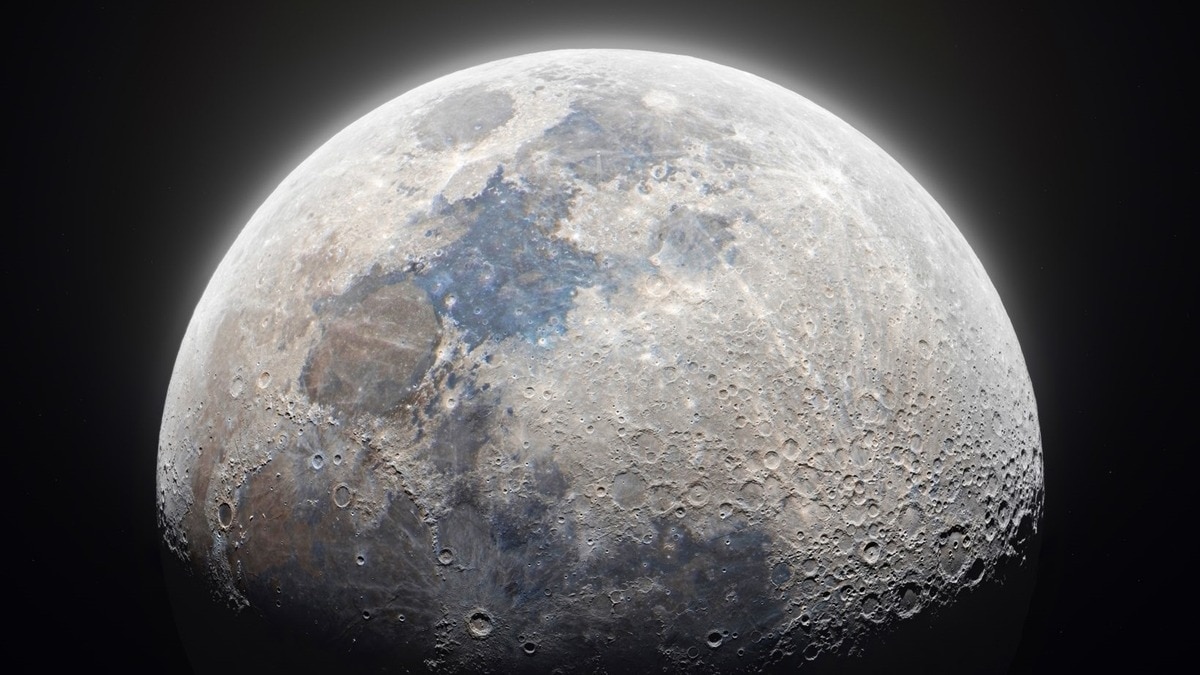
"Detecting an object this faint is comparable to spotting a small swarm of fireflies on the Moon from Earth."
The study differentiated between 'cold' TNOs, which maintain stable circular orbits, and 'hot' TNOs, which were violently displaced outward during the migration of giant planets billions of years ago. Remarkably, the smaller TNOs share similar colors with larger ones, suggesting their surfaces have remained pristine and unchanged since the dawn of time.
| Feature | 'Cold' TNOs | 'Hot' TNOs |
|---|---|---|
| Orbit Type | Stable and Circular | Elliptical and Displaced |
| Origin | Remained in situ | Pushed out by giant planets |
| Significance | Preserve original chemistry | Reveal planetary migration history |
Frequently Asked Questions
Q1: What exactly are Trans-Neptunian Objects (TNOs)?
A: TNOs are icy bodies located in the outermost regions of the solar system, orbiting the Sun beyond the orbit of Neptune.
Q2: Why was the combination of Hubble and Webb necessary?
A: Hubble provides the visible light data needed for detection, while Webb's infrared capabilities reveal the thermal properties and chemical composition of these frozen worlds.