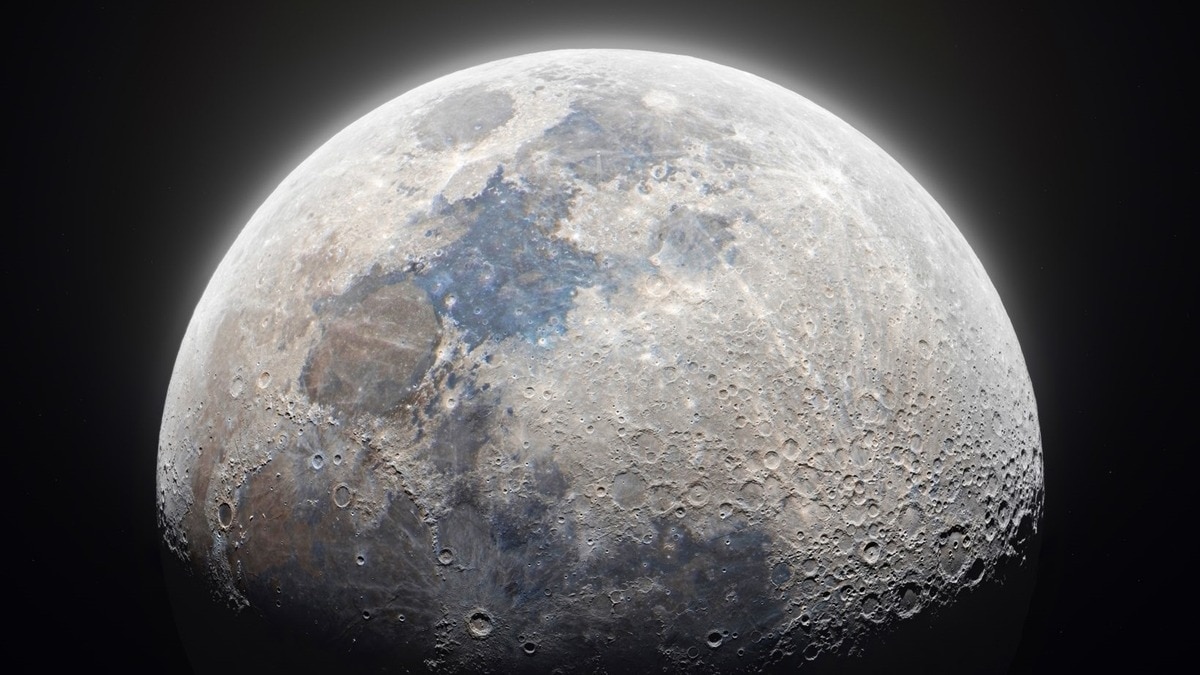
Groundbreaking research led by the Southwest Research Institute suggests that Earth's natural satellite could have coalesced within hours of a massive cosmic collision, challenging previous long-term assembly theories.
- The Moon may have formed within five hours following a collision between Earth and the protoplanet Theia.
- The study emphasizes the role of rock temperature and material strength in planetary formation.
- Computer simulations show that a 'cooler' Theia would result in a different formation timeline than a 'hotter' one.
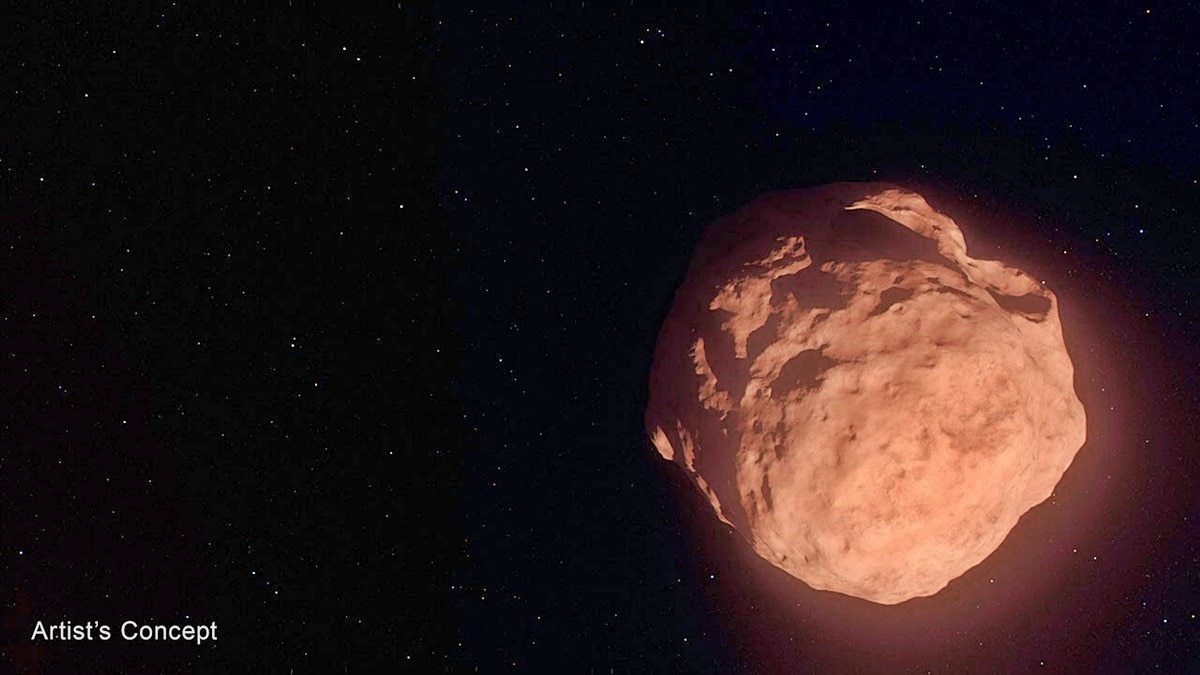
For decades, the scientific community has adhered to the Giant-Impact Hypothesis, which posits that approximately 4.5 billion years ago, a Mars-sized body named Theia slammed into the nascent Earth. While it was widely believed that the resulting debris disk took a significant amount of time to coalesce into the Moon, new evidence suggests a far more rapid process.
A recent study led by Adeene Denton of the Southwest Research Institute, in collaboration with the University of Arizona and published in The Astrophysical Journal Letters, utilizes advanced computer simulations to rethink this timeline. The researchers discovered that the physical properties of the colliding bodies—specifically the strength and temperature of the rocks—could drastically accelerate the formation of the Moon.
The Role of Thermal Dynamics
The core of this discovery lies in the understanding that hotter rock is weaker and deforms more easily, whereas colder material resists the violence of a collision. By integrating these variables into their models, the team found that if the temperature conditions were just right, an intact Moon-sized body could emerge from the chaos in roughly five hours.
"We discovered that the pre-existing geology of the Mars-sized proto-Moon matters significantly in determining the speed of formation."
Why This Matters
BozokMedia analysis shows that this shift in perspective is crucial because it bridges the gap between the timing of the giant impact and the chemical composition of lunar rocks. If the Moon formed almost instantaneously, it suggests a different thermal history for the early Earth-Moon system, which affects how we calculate the age and evolution of our planetary neighborhood.
However, the researchers caution that the "five-hour Moon" is a theoretical possibility derived from simulations rather than a proven fact. Depending on the initial temperature of Theia, the result could either be a rapid assembly or the traditional gradual accumulation from a debris disk.
| Scenario | Material State | Formation Timeline |
|---|---|---|
| Traditional Model | Standard Debris Disk | Gradual Assembly |
| New Simulation | Temperature-Specific Rock Strength | Rapid (Approx. 5 Hours) |
Frequently Asked Questions
Q1: What was Theia?
Theia was a hypothetical Mars-sized protoplanet that is believed to have collided with Earth billions of years ago, leading to the creation of the Moon.
Q2: Is the five-hour formation theory now a proven fact?
No, it is currently a result of computer simulations. Scientists are still analyzing lunar rock samples to see which scenario matches the physical evidence.