August 2026 has emerged as the hottest August on record, triggering devastating droughts across Europe and record-breaking ocean temperatures. Copernicus data reveals a critical rise in global heat, threatening biodiversity and water security.
- August 2026 recorded the highest global average temperature, 1.65°C above pre-industrial levels.
- Major European rivers including the Danube and Rhine experienced critical water level drops.
- Sea surface temperatures reached record highs, exacerbated by a strengthening El Niño pattern.
- Arctic sea ice extent ranked as the 12th lowest in recorded history.
The global climate crisis has reached a staggering milestone as August 2026 officially became the hottest August ever recorded. According to the latest data from the European Union's Copernicus Climate Change Service (C3S), the global average temperature for the month matched the previous record set in July 2023. Most alarmingly, the Earth's average temperature surged to 1.65 degrees Celsius above pre-industrial levels, signaling a dangerous acceleration of global warming.
The impact of this heatwave was most visceral across the European continent. The period from June to August 2026 is now ranked among the hottest summers in history, equaling the extreme levels seen in 2024. While the overall European summer was the third hottest on record, Western Europe experienced its absolute hottest summer to date, leading to widespread ecological distress.
Water Crisis and River Depletion
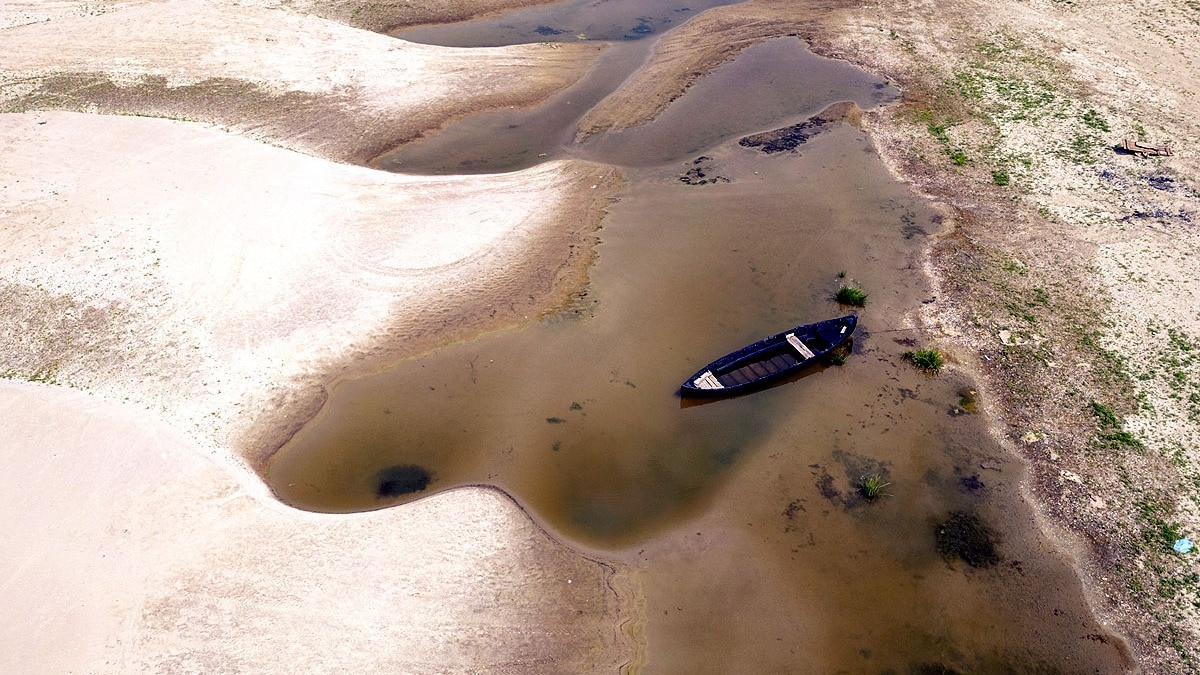
A severe lack of precipitation throughout August led to a drastic reduction in soil moisture across much of Europe. This resulted in critical drought conditions in nations such as France, the United Kingdom, Hungary, Romania, and Serbia. The hydrological impact was catastrophic, with major arteries like the Rhine, Danube, Southern Bug, and Dnieper rivers seeing water flows plummet far below seasonal norms.
BozokMedia analysis shows that the drying of these rivers is not merely an environmental issue but an economic one. These waterways are vital for European trade, energy cooling for nuclear plants, and agricultural irrigation. The systemic failure of these water systems indicates that Europe's infrastructure is unprepared for the 'new normal' of permanent climate volatility.
"The synchronization of record atmospheric heat and ocean warming creates a feedback loop that makes extreme droughts almost inevitable."
Oceanic Warming and Arctic Melt
The crisis extends beyond land. The average Sea Surface Temperature (SST) of extra-polar oceans reached record levels, matching the peaks of March 2024. In the tropical Pacific, the SST remained exceptionally high as the El Niño phenomenon continued to strengthen. This combination of global warming and El Niño is expected to disrupt weather patterns globally for months to come.
Simultaneously, the Arctic sea ice extent in August was the 12th lowest ever recorded, further reducing the planet's ability to reflect sunlight and accelerating the warming process. In Indonesia, these conditions have created a tinderbox effect, fueling seasonal forest fires that threaten global carbon sinks.
| Metric | August 2026 Status | Historical Context |
|---|---|---|
| Global Temp Deviation | +1.65°C | Highest August Record |
| Western Europe Summer | Record High | Hottest ever recorded |
| Arctic Sea Ice | 12th Lowest | Significant decline from norm |
Q1: What is the main cause of the record heat in August 2026?
A1: A combination of long-term global warming caused by fossil fuel emissions and the intensifying El Niño phenomenon in the Pacific Ocean.
Q2: Which European countries were most affected by the drought?
A2: France, UK, Hungary, Romania, and Serbia faced the most severe drought conditions.