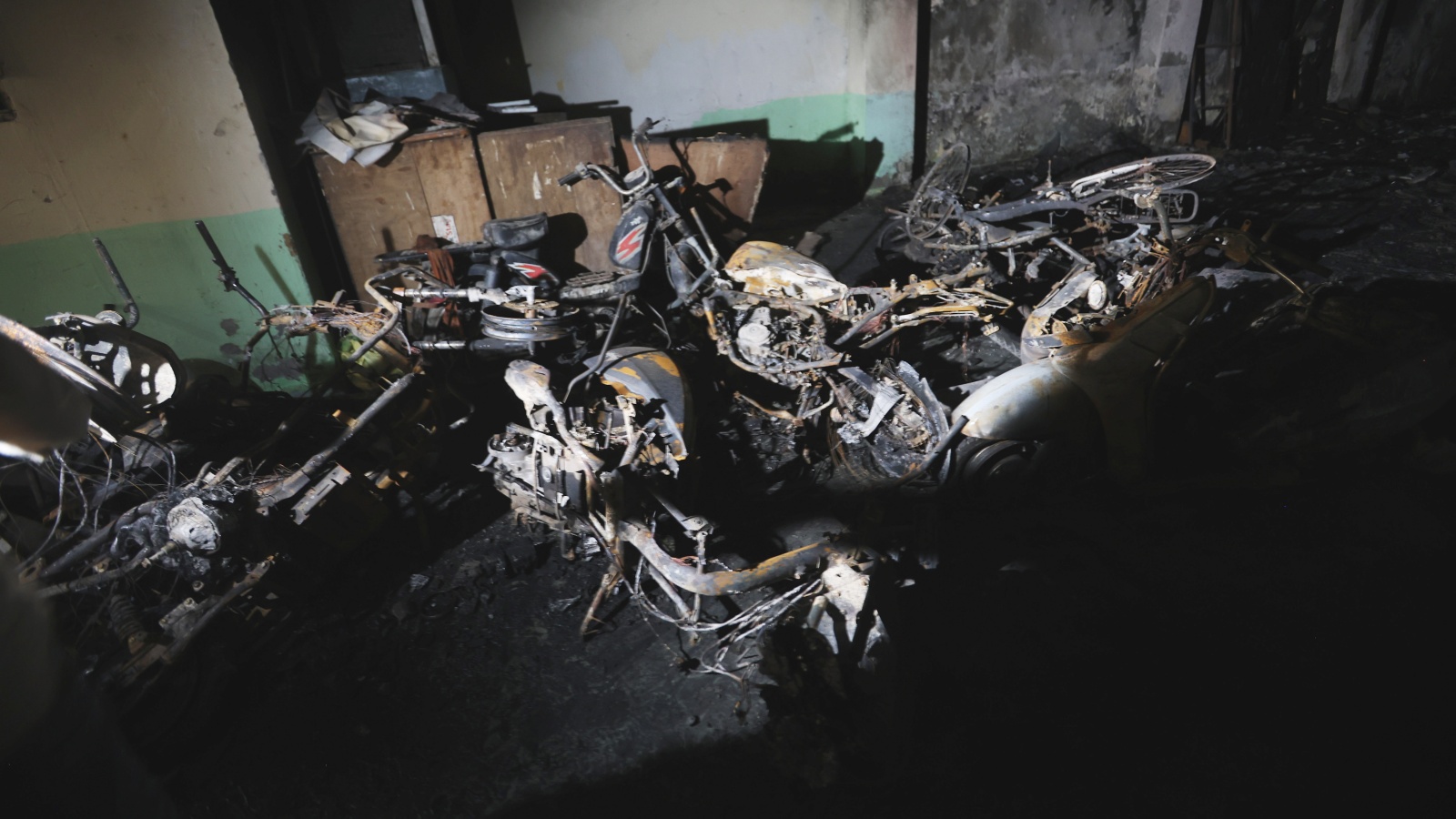
A fire in a Noida residential building, allegedly sparked while an electric two‑wheeler was charging, has reignited concerns over home EV charging safety. Experts stress proper installation, dedicated circuits, and routine inspections to prevent such incidents.
Key Takeaways
- Install EV chargers using trained technicians and connect them to a dedicated circuit.
- Avoid temporary or improvised charging setups such as extension cords and exposed wiring.
- Conduct regular electrical inspections and act immediately on signs of overheating or faults.
On July 15, 2026, a fire broke out in a Noida residential building, reportedly while an electric two‑wheeler was being charged. The blaze claimed two lives, displaced several families, and left a stark reminder of the vulnerabilities in India’s rapidly growing electric‑vehicle ecosystem.
Fundamental Installation Rules
Genesia Rodrigue, Senior Manager (Public Policy) at EV‑charging startup Kazam, emphasized that chargers must be installed by qualified technicians and fed through a dedicated electrical circuit, rather than sharing power with high‑load appliances. This approach dramatically reduces the risk of overload, overheating, and short‑circuit incidents.
Risks of Improvised Solutions
In many housing complexes, the lack of formal charging infrastructure pushes residents to use makeshift solutions—extension cords, adapters, or exposed wiring. Rodrigue warned that such temporary arrangements are a major fire hazard, elevating the probability of electrical faults and catastrophic outcomes.
Industry Data and Reality Check
A recent study jointly conducted by Kazam and the Alliance for an Energy Efficient Economy (AEEE) revealed that only 55 % of prospective EV buyers across India have access to formal charging facilities. This gap not only highlights infrastructure shortcomings but also underscores the heightened risk of unsafe, ad‑hoc charging practices.
OEM‑Provided Chargers Only
Shyamasis Das, Fellow at the Delhi‑based Centre for Social and Economic Progress (CSEP), stressed that owners should exclusively use the charger supplied by the original equipment manufacturer (OEM). OEM chargers are calibrated for the specific vehicle’s voltage and current requirements, ensuring compatibility and safety.
Essential Safety Devices and Regular Checks
Rodrigue recommended the installation of miniature circuit breakers (MCBs) and residual current circuit breakers (RCCBs), proper earthing, and mounting the charger in a dry, well‑ventilated area away from water seepage. For older buildings, periodic electrical audits, along with routine inspection of charging cables and connectors, are crucial.
Warning Signs Must Not Be Ignored
Owners should treat any burning smell, visible cable damage, exposed wiring, sparks, or buzzing sounds as urgent red flags. Das advised immediate contact with the vehicle manufacturer or a certified EV technician, noting that many local electricians lack the specialized training required for EV‑specific issues.
Policy Implications and the Way Forward
The Noida incident serves as a catalyst for policymakers to tighten regulations surrounding residential EV charging. Mandatory safety standards, incentive‑driven retrofits for older complexes, and accelerated rollout of public charging stations can mitigate the reliance on unsafe DIY solutions.