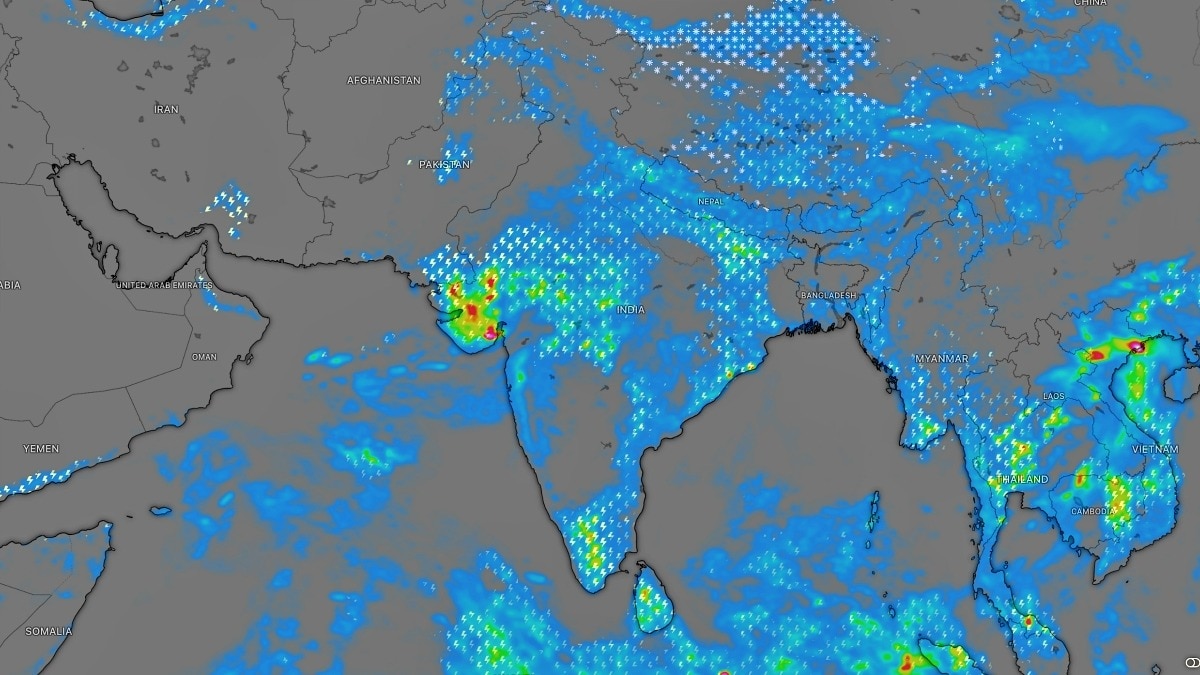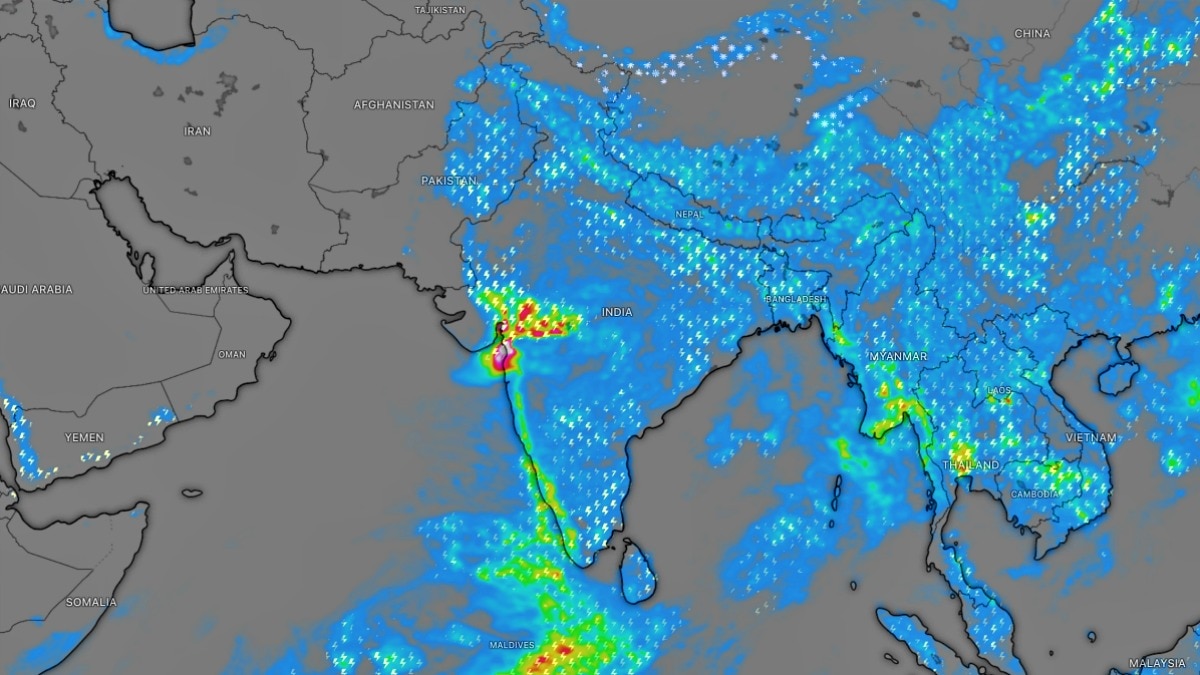
Defying widespread forecasts of a weak monsoon due to El Niño, India's southwest monsoon delivered a massive 101% of normal rainfall in July, drastically reducing the seasonal deficit.
Key Takeaways
- July rainfall averaged 283 mm, representing 101% of the long-period average.
- The cumulative rainfall deficit slashed from 40% to just 12.6%.
- Low-pressure systems over central India drove the unexpected recovery.
- August and September remain critical months for the monsoon season.
India's southwest monsoon staged a remarkable comeback in July, delivering 101% of its normal rainfall despite widespread forecasts of a weak month under the influence of a strengthening El Niño. This dramatic turnaround has sharply reduced the seasonal rainfall deficit and renewed hopes for a near-normal monsoon season.
According to meteorological data, India received an average of 283 mm of rainfall between July 1 and July 31, compared to the normal 280 mm. This performance comes as a major surprise to weather models that had projected below-normal rainfall, citing the suppressing influence of what many forecasters described as a developing 'Super El Niño'.
Why This Matters
BozokMedia analysis shows that this unexpected performance highlights the limitations of current seasonal forecasting models. While dynamical climate models anticipated a weaker month, the atmosphere evolved differently, underscorcing the immense complexity of India's monsoon system and the need for denser observation networks.
The July recovery demonstrates the urgent need for improved climate models capable of capturing month-to-month monsoon variability more accurately.
Meteorologists attribute the sudden revival to a series of low-pressure systems and monsoon depressions that tracked across central India. Currently, a deep depression is acting like a 'vacuum cleaner,' drawing moisture and concentrating intense rainfall over regions like Gujarat, where extreme totals are expected.
Historical Background
Historically, the monsoon's success is measured by its performance through September. While July's rebound was significant, the month of September is traditionally when El Niño exerts its strongest influence on the Indian subcontinent, making the final phase of the season vital for water security and agriculture.
Frequently Asked Questions
1. How much rainfall did India receive in July?
India received an average of 283 mm of rainfall, which is 101% of the long-period average.
2. Will the El Niño still affect the monsoon?
While July defied the threat, meteorologists warn that El Niño could still impact the monsoon during August and September.