A Maharashtra government panel has proposed amendments to the Bharatiya Nyaya Sanhita (BNS) to specifically address defamatory social media posts, sparking a debate on digital censorship.
- A Maharashtra government panel recommends BNS amendments to cover 'defamatory social media posts'.
- The move risks reviving the spirit of the struck-down Section 66A of the IT Act.
- The Supreme Court invalidated Section 66A in 2015 for violating free speech rights.
- Criminal defamation can lead to up to two years of imprisonment.
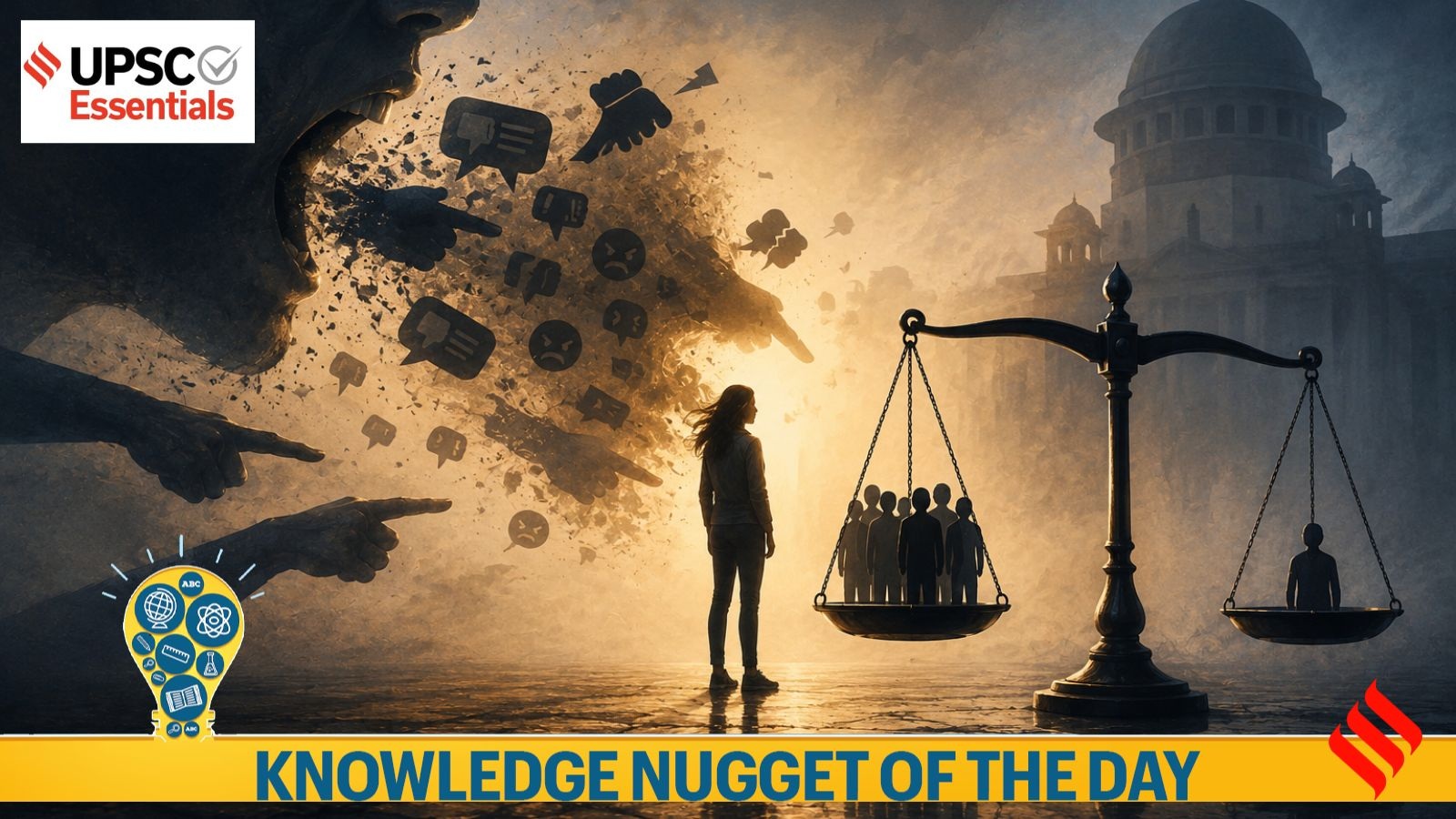
When does an online expression cross the line into defamation? As a panel in Maharashtra proposes changes to the Bharatiya Nyaya Sanhita (BNS), the legal community is debating the fine line between protecting reputation and safeguarding free speech. The proposal aims to specifically target 'defamatory social media posts' in the digital age.
The controversy stems from the fact that this recommendation comes at a time when the government faces scrutiny over social media protests. Critics argue that such amendments could mirror the defunct Section 66A of the IT Act, which was decried by the Supreme Court as 'vague' and 'unconstitutional'.
Why This Matters
BozokMedia analysis shows that this legislative shift could significantly impact how citizens engage in digital discourse. If criminal law is expanded to police online speech, it may create a chilling effect on dissent and investigative journalism under the guise of preventing defamation.
The balance between the right to dignity and the right to free expression is the cornerstone of a functioning democracy.
Historically, the landmark Shreya Singhal vs Union of India (2015) case set a precedent. The Supreme Court struck down Section 66A because it failed to distinguish between speech that causes immediate threat to public safety and speech that is merely 'annoying' or 'inconvenient'.
Currently, Section 356 of the BNS defines defamation but lacks specific provisions for digital content. For a statement to qualify as defamation, it must harm a person's reputation, refer to the complainant, and be published to at least one third party.
| Feature | Civil Defamation | Criminal Defamation |
|---|---|---|
| Legal Basis | Tort Law | Bharatiya Nyaya Sanhita |
| Primary Remedy | Financial Compensation | Imprisonment or Fine |
| Standard of Proof | Preponderance of evidence | Beyond reasonable doubt |
Other states, like Kerala, have attempted similar measures through police act amendments, but these were often withdrawn following legal challenges. Because criminal law falls under the Concurrent List, the Maharashtra amendment would require the President's assent to become effective in the state.
Frequently Asked Questions
1. Is all criticism on social media defamation?
No. Criticism must be intended to harm a person's reputation and must be published to be considered defamatory.
2. What was the Shreya Singhal case about?
It was a landmark Supreme Court case that struck down Section 66A of the IT Act to protect online free speech.