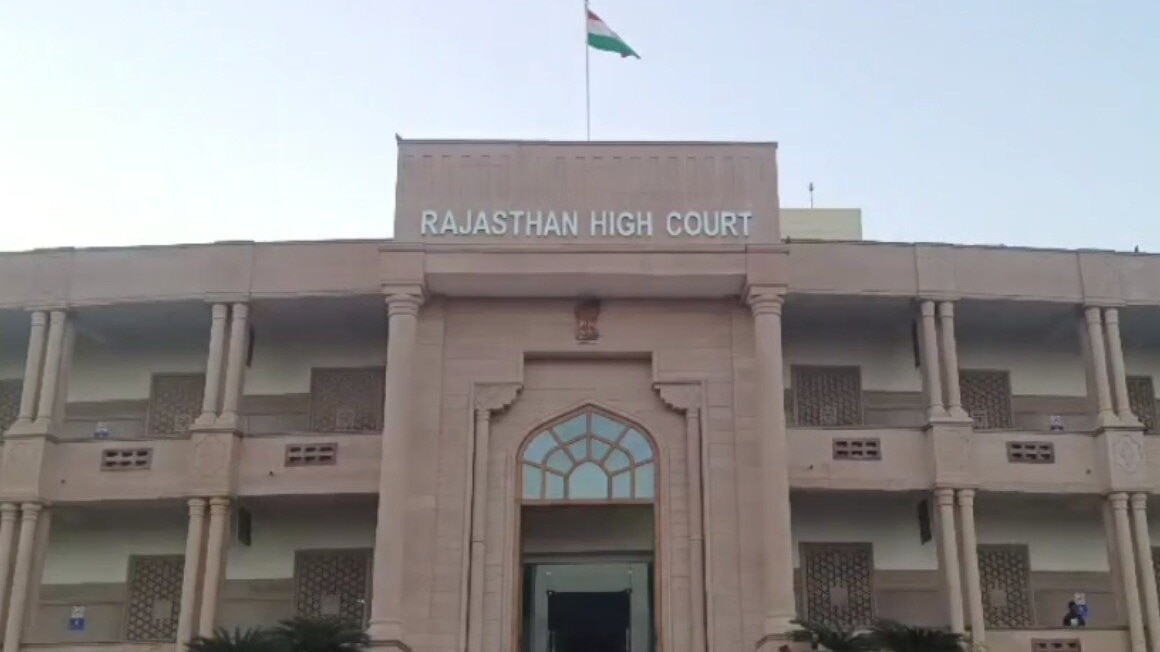
In a decisive move to protect the health and cognitive development of younger generations, the Rajasthan High Court has banned the sale of junk food within 50 meters of school premises and addressed concerns regarding screen time and paper leaks.
- Ban on high-fat, high-sugar, and high-salt foods within 50 meters of school gates.
- Mandatory 'School Food Safety and Nutrition Committees' in all schools within four weeks.
- Emphasis on balancing digital learning with traditional skills like handwriting and reading.
- Directives to address paper leaks and improve rural school infrastructure.
Jodhpur: The Rajasthan High Court has significantly expanded a legal intervention to address the multifaceted challenges facing Gen Z, Gen Alpha, and Gen Beta. In a comprehensive set of directions issued on Monday, the court has prioritized student health, academic integrity, and the psychological well-being of the youth by tackling issues ranging from nutritional safety to the digital divide.
Combating Nutritional Hazards
A single bench of Justice Anoop Kumar Dhand has ordered a strict ban on the sale of high-fat, high-sugar, and high-salt food items in school canteens and within a 50-meter radius of school gates. This prohibition includes carbonated drinks, chips, and bakery products containing trans fats. To ensure accountability, the court mandated that every school establish a School Food Safety and Nutrition Committee comprising teachers, parents, and students within four weeks.
The Digital Dilemma and Academic Integrity
Beyond physical health, the court expressed profound concern regarding the rising screen time among children and the excessive dependence on technology. While acknowledging the importance of AI and digital tools, the bench emphasized that technology must not replace fundamental cognitive skills such as handwriting, book reading, note-making, and independent critical thinking. Furthermore, the court flagged the recurring menace of paper leaks, noting their devastating impact on students' mental health and the erosion of public trust in the examination system.
Why This Matters
BozokMedia analysis shows that this judicial intervention is a preemptive strike against a growing public health crisis. As lifestyle diseases rise among children and digital addiction becomes a global phenomenon, the court's directive seeks to create a regulated environment that fosters holistic development rather than mere academic rote learning.
The court's intervention serves as a vital corrective measure for a generation caught between rapid technological advancement and declining physical health standards.
Historical Background
Historically, educational reforms in India have often focused on curriculum and infrastructure. However, the recent surge in digital consumption and the systemic failure of examination security (paper leaks) have necessitated a more holistic legal approach. This ruling marks a shift toward viewing education through the lens of total student wellness.
| Focus Area | Court Mandate | Long-term Goal |
|---|---|---|
| Nutrition | Ban on junk food within 50m | Reduction in childhood obesity |
| Technology | Balance AI with traditional skills | Cognitive and mental stability |
| Rural Equity | Improve infrastructure & teacher posts | Bridging the urban-rural divide |
Frequently Asked Questions
1. What specific food items are banned near schools?
High-fat, high-sugar, and high-salt items, including chips, sodas, and trans-fat-heavy bakery products, are prohibited.
2. How will schools ensure food transparency?
School canteens must display menu boards showing calorie counts, ingredients, and nutritional values using a traffic-light labeling system.