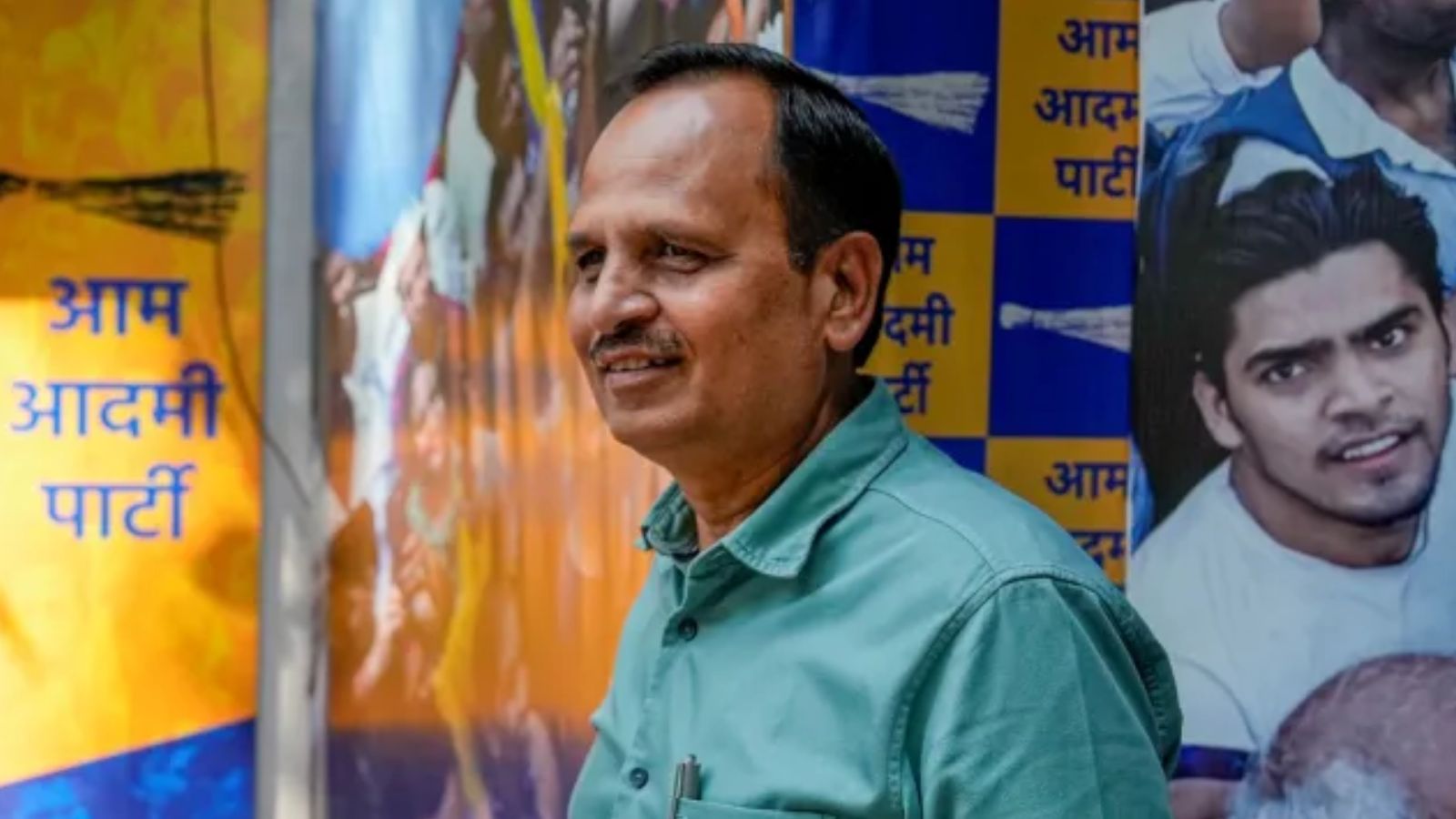
Former Orissa HC Chief Justice S. Muralidhar argues that public skepticism toward institutions is a hallmark of a progressing democracy. He also addressed judicial independence and international humanitarian law.
- Public distrust in systems is a sign of democratic maturity and progress.
- International humanitarian law must remain the bottom line in geopolitical negotiations.
- The judiciary needs to be more assertive in appointments and timely in major rulings.
In a profound commentary on the state of modern governance, former Chief Justice of the Orissa High Court, S. Muralidhar, has posited that skepticism toward established systems is not a failure, but rather a definitive sign of democratic progress. Speaking on various legal and geopolitical issues, he emphasized that an engaged citizenry that questions authority is essential for a healthy democracy.
Addressing the complex geopolitical landscape, particularly the conflict involving Israel and Palestine, Justice Muralidhar highlighted India's unique position. While acknowledging India's strategic ties, he asserted that international humanitarian law must never be compromised. He stated emphatically that no nation should find it acceptable that children perish due to starvation or lack of medical aid.
Why This Matters
BozokMedia analysis shows that Muralidhar’s insights strike at the heart of the current global crisis of institutional legitimacy. As powerful nations exert influence over bodies like the International Criminal Court (ICC), the ability of the global community to hold individuals and states accountable is being tested like never before.
Distrusting a system is not a problem at all, it is a sure sign of democratic progress.
The former Chief Justice also delved into the nuances of the Indian judiciary. He noted that while the overall level of trust remains significant, there is a perceived gap between public expectations and judicial outcomes. He pointed out that the rise in court filings does not necessarily indicate a loss of faith, but rather a consequence of the increasing criminalization of ordinary activities like protests.
A significant portion of his critique was directed at the internal pressures within the legal system. He highlighted that the district judiciary often lacks the independence seen in higher courts. Furthermore, he urged the higher judiciary to remain steadfast and assertive during the appointment process to avoid succumbing to executive pressure.
Lastly, Justice Muralidhar criticized the systemic delays in resolving landmark cases. From the legality of demonetization to the controversial Electoral Bonds scheme, he argued that the judiciary cannot afford to take years to decide matters that have profound and immediate impacts on the nation's democratic fabric.
Frequently Asked Questions
1. Why does Justice Muralidhar view distrust as a positive sign?
He believes it indicates a proactive and aware citizenry that is actively engaging with and questioning the mechanisms of power.
2. What is the main threat to international legal institutions?
The primary threat is the political and economic pressure exerted by powerful states, which undermines the independence of adjudicative bodies.