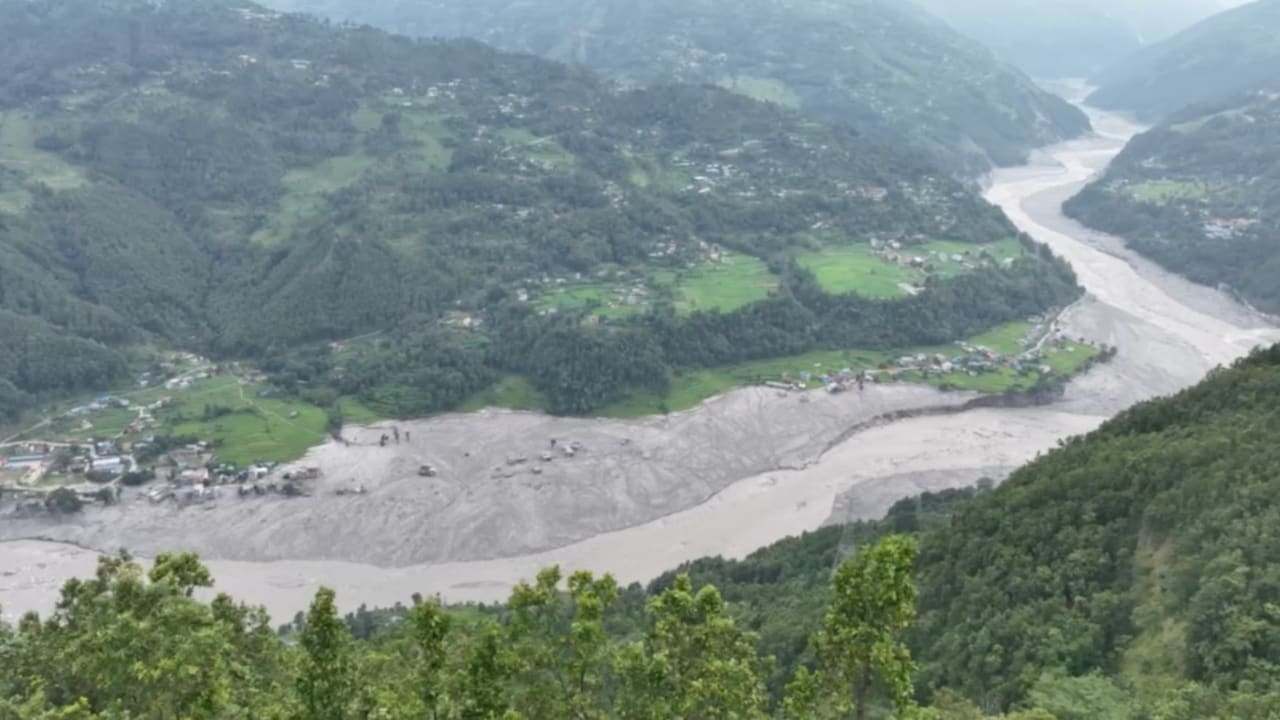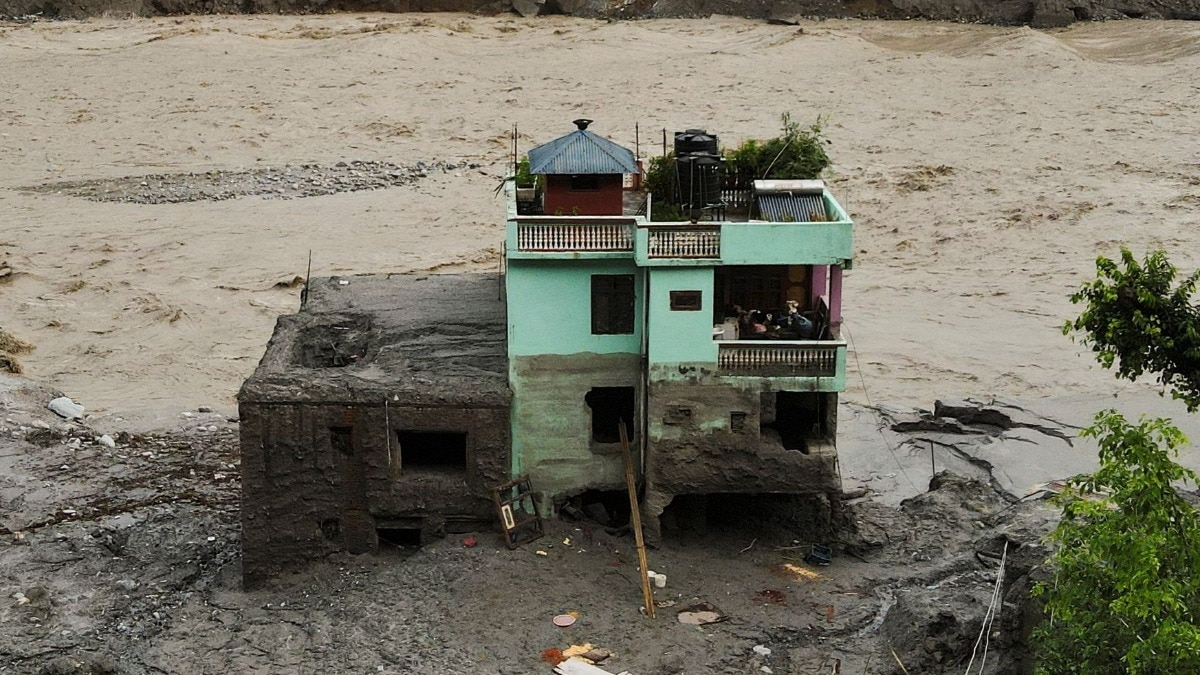
Amidst the devastating floods in Nepal, a single greenhouse has emerged as a symbol of resilience. Discover how advanced engineering allowed this structure to withstand the monster floodwaters.
- A high-tech greenhouse remained intact despite massive flooding in Nepal.
- Advanced structural engineering and specialized foundations played a critical role in its survival.
- The event provides a blueprint for climate-resilient agricultural infrastructure.
As Nepal grapples with the aftermath of catastrophic flooding that has ravaged landscapes and livelihoods, an extraordinary story of survival has emerged. Amidst the debris and destruction, a 'miracle greenhouse' stood firm, defying the overwhelming force of the floodwaters. This incident is being hailed as a triumph of modern agricultural engineering over natural fury.
Initial reports from the site suggest that the greenhouse's survival was not mere luck but the result of meticulous design. Unlike traditional farming structures that are often swept away by rising currents, this facility utilized a reinforced foundation and a specialized aerodynamic frame capable of mitigating the impact of heavy debris and high-velocity water flow.
Why This Matters
BozokMedia analysis shows that as climate change intensifies weather patterns in the Himalayan region, traditional agricultural methods are becoming increasingly non-viable. The survival of this greenhouse highlights the urgent need to transition toward 'climate-smart' infrastructure to ensure regional food security.
This is more than just a building; it is a testament to how integrated engineering can safeguard our most vital food resources against extreme weather.
Historically, agriculture in Nepal has been highly vulnerable to the seasonal whims of the monsoon and sudden flash floods. Most local farmers rely on lightweight materials that offer zero resistance to hydraulic pressure. This miracle greenhouse marks a significant departure from those historical vulnerabilities, showcasing the potential of high-strength polymers and reinforced anchoring systems.
The implications of this event are far-reaching. Agricultural scientists are now looking at this specific structure to understand how its drainage and stability mechanisms worked. If these engineering principles can be scaled and made cost-effective, it could revolutionize how farming is conducted in high-risk flood zones globally.
Frequently Asked Questions
Question 1: What was the main reason the greenhouse survived?
Answer: Its specialized foundation and the ability of its structure to withstand hydraulic pressure and debris impact.
Question 2: Is this technology available for small-scale farmers?
Answer: While currently more expensive than traditional methods, research is underway to create scalable, low-cost versions.