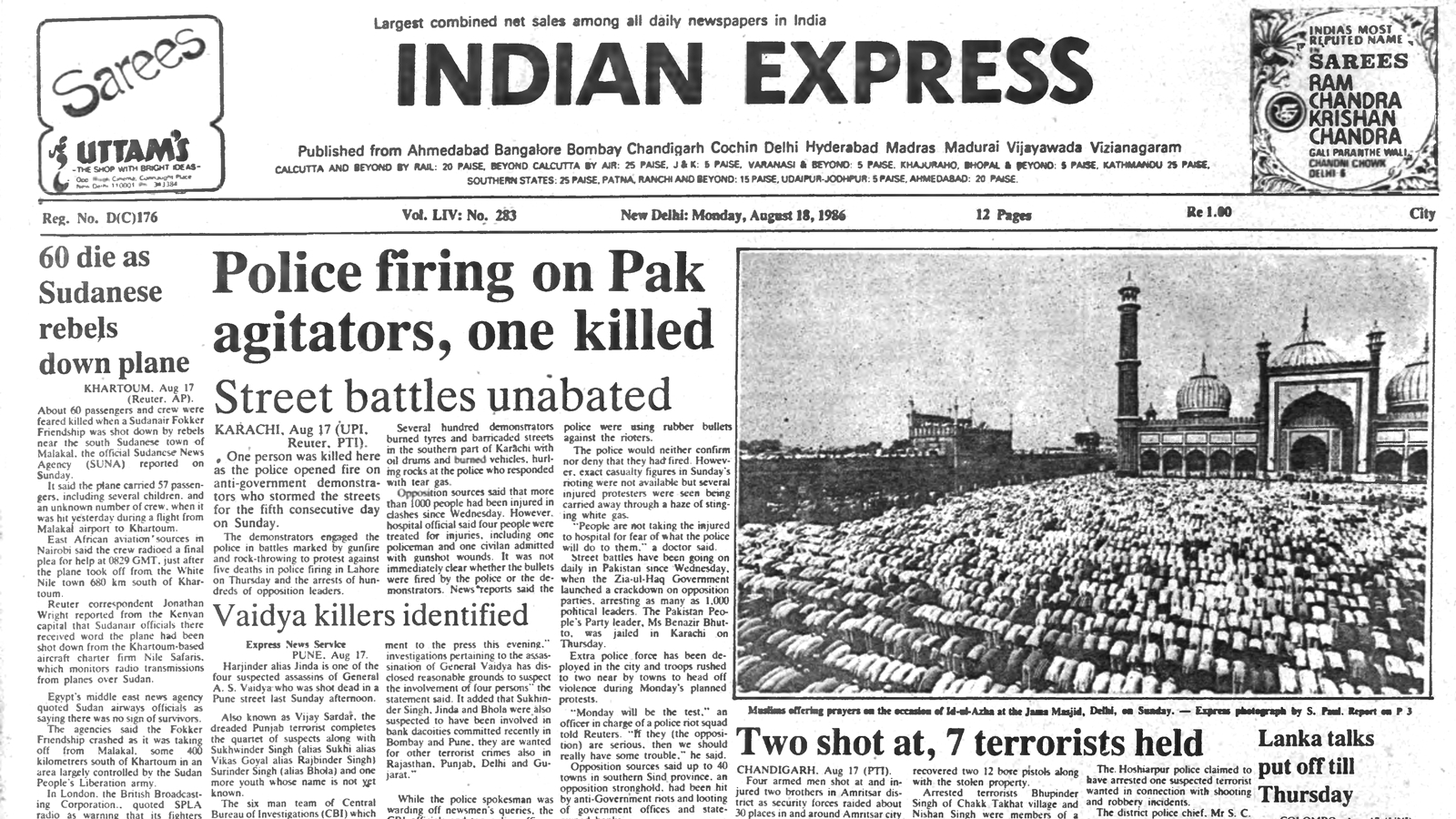
A century ago, a sudden military uprising in Goa challenged Portuguese authority. Triggered by pay disputes, the revolt saw the brief detention of the Acting Governor.
Key Takeaways
- A military revolt erupted in Goa on August 1, 1926.
- The conflict was sparked by the 'New Officers Pay Act'.
- Commanding Officers briefly detained Acting Governor Commander Moraes at Cabo Palace.
- The Lisbon government intervened, leading to the dismissal of the rebels.
According to historical archives from August 1926, a brief but intense military revolution broke out in Goa. The unrest began on Sunday, August 1st, when three garrison Commanding Officers confronted the Acting Governor, Commander Moraes. The officers demanded the immediate suspension of the controversial New Officers Pay Act.
The situation escalated rapidly when Commander Moraes referred the matter to the Lisbon Government, requesting his own dismissal if the pay act was suspended. Before a response could arrive from Portugal, the officers demanded Moraes' resignation. Upon his refusal, the military officers took him to Cabo Palace and placed him under detention, briefly installing Col. Sequeira as the Governor.
Why This Matters
BozokMedia analysis shows that this incident serves as a critical case study in colonial instability. It highlights how localized economic grievances within the military can bypass administrative hierarchies and threaten the very structure of colonial governance.
Military revolts in colonial territories often act as a pressure valve for deep-seated economic and political tensions.
The standoff ended when the Lisbon Government refused to recognize the makeshift military government. They issued a direct order for the three officers to be dismissed from their posts and immediately embarked to Lisbon. Consequently, Commander Moraes resumed his duties and oversaw the dismissal of the insurgents.
Historical Background
During the early 20th century, Goa was under Portuguese rule. The administration was often caught between the directives of the metropolitan government in Lisbon and the practical realities of managing a distant overseas territory, leading to frequent friction with local military leadership.
Frequently Asked Questions
Question 1: What triggered the 1926 revolt in Goa?
Answer: The revolt was primarily triggered by the military officers' opposition to the New Officers Pay Act.
Question 2: How was the crisis resolved?
Answer: The Lisbon government intervened by ordering the dismissal and deportation of the rebellious officers, allowing the legitimate Governor to return.