Tensions flared at the SCO summit as PM Modi condemned the use of terrorism as a strategic asset, while Pakistan's PM Sharif countered by raising concerns over the Indus Waters Treaty.
- PM Modi criticized Pakistan for employing terrorism as a strategic tool.
- PM Shehbaz Sharif raised objections regarding the Indus Waters Treaty.
- The summit highlighted the interconnectedness of regional conflict and global trade/energy.
The Shanghai Cooperation Organization (SCO) summit became a theater for intense diplomatic friction between India and Pakistan. Prime Minister Narendra Modi delivered a scathing critique of Pakistan, asserting that the use of terrorism as a strategic asset is unacceptable and detrimental to global stability. He emphasized that conflicts are never isolated to a single region but ripple through global energy markets and trade routes.
In a direct rebuttal, Pakistan's Prime Minister Shehbaz Sharif pivoted the conversation toward water diplomacy, targeting India over the Indus Waters Treaty. This exchange underscores the deep-seated mistrust regarding resource management and national security that continues to plague the subcontinent.
Why This Matters
BozokMedia analysis shows that this confrontation at a multilateral platform like the SCO signals India's growing assertiveness on the global stage. By addressing terrorism head-on, India is positioning itself as a leader in global security, while Pakistan's focus on water resources reflects its growing economic and environmental vulnerabilities.
The intersection of counter-terrorism and water diplomacy defines the modern geopolitical struggle in South Asia.
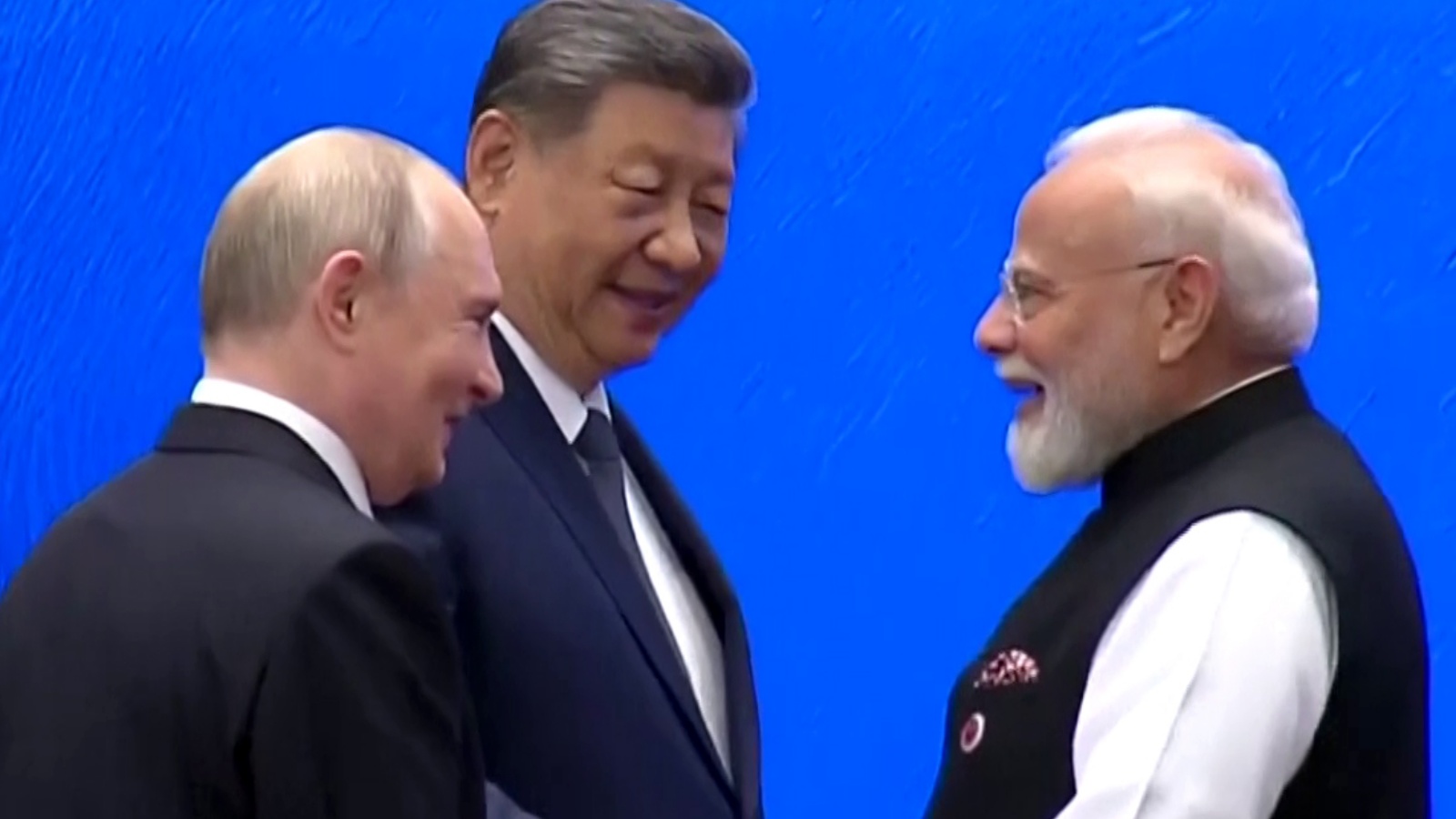
Furthermore, the summit saw significant diplomatic movement with PM Modi's engagement with Vladimir Putin. Discussions regarding the cessation of wars and the promotion of peace were viewed as a strong signal of India's independent and powerful foreign policy stance.
Historical Background
The Indus Waters Treaty, brokered by the World Bank in 1960, has long been a cornerstone of water sharing between India and Pakistan. Meanwhile, the issue of cross-border terrorism has been the primary obstacle to normalized relations between the two nuclear-armed neighbors for decades.
Frequently Asked Questions
1. What was PM Modi's main point against Pakistan?
He slammed Pakistan for using terrorism as a strategic tool rather than a state policy for peace.
2. What issue did Shehbaz Sharif raise?
He raised concerns regarding India's management and implementation of the Indus Waters Treaty.