Renewed US military strikes on Iranian targets have triggered a wave of retaliatory missile and drone attacks from Tehran, heightening fears of a major regional war and maritime disruption in the Strait of Hormuz.
- The US launched targeted strikes in Iran, prompting immediate retaliatory missile and drone launches from Tehran.
- Tensions in the Strait of Hormuz threaten global oil supplies and maritime shipping safety.
- The IAEA reports an inability to inspect critical Iranian nuclear sites following recent hostilities.
- The conflict has expanded to include operations in Gaza and Yemen, destabilizing the broader Middle East.
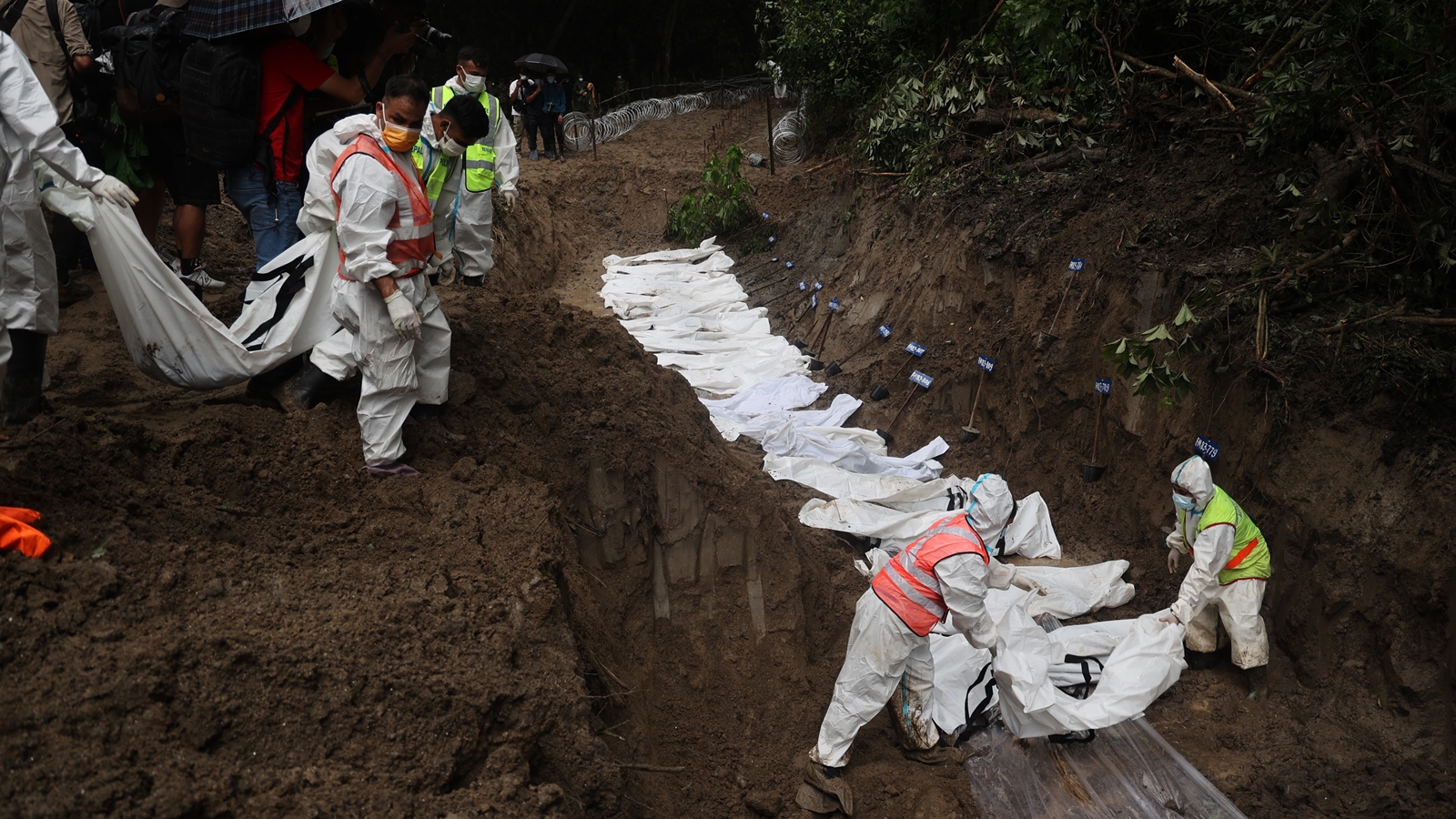
WASHINGTON/TEHRAN: A month-long lull in military action between the United States and Iran has shattered, as US military strikes on Tuesday triggered a fresh and violent round of hostilities. Iranian semi-official media confirmed that Tehran responded to the American strikes with a barrage of missiles and drones. Tragic reports emerged from local officials stating that one US strike hit a residential house hosting a wedding, resulting in five deaths and dozens of injuries.
Why This Matters
BozokMedia analysis shows that this escalation is not merely a bilateral dispute but a systemic threat to global energy security. The Strait of Hormuz serves as a vital artery for the world economy, facilitating the passage of one-fifth of global traded oil. Any sustained disruption in this waterway could lead to an unprecedented surge in energy prices and widespread economic instability across the globe.
The shift from strategic posturing to active kinetic warfare marks a dangerous new chapter in Middle Eastern geopolitics.
US Central Command stated that the strikes were a direct response to Iranian attempts to target commercial shipping and US personnel in the region. US President Donald Trump issued a stern warning via social media, suggesting that further Iranian retaliation would be met with even more devastating strikes, hinting at a larger military escalation currently 'waiting in the wings.'
Historical Background
The current volatility traces back to the major US and Israeli strikes on Iran in late February. Following those events, Tehran exerted significant pressure on the Strait of Hormuz, causing a sharp slowdown in ship traffic. While Iranian President Masoud Pezeshkian has signaled a preference for negotiations, the powerful Revolutionary Guard (IRGC) continues to push for greater concessions, including financial reparations and control over regional maritime routes.
Simultaneously, the International Atomic Energy Agency (IAEA) has raised alarms regarding nuclear oversight. A confidential report indicates that the agency remains unable to inspect Iranian nuclear facilities damaged during the June 2025 conflict, leaving the current status of Iran's enriched uranium stockpiles unknown to the international community.
Frequently Asked Questions
1. How does the conflict affect global oil prices?
Conflict in the Strait of Hormuz creates uncertainty in supply, which typically leads to an immediate spike in global crude oil prices.
2. Is the US involved in the fighting in Yemen?
While US forces are active against Iranian interests, officials have stated that the recent operation against Islamic State spokespersons in Yemen was not a US-led mission.