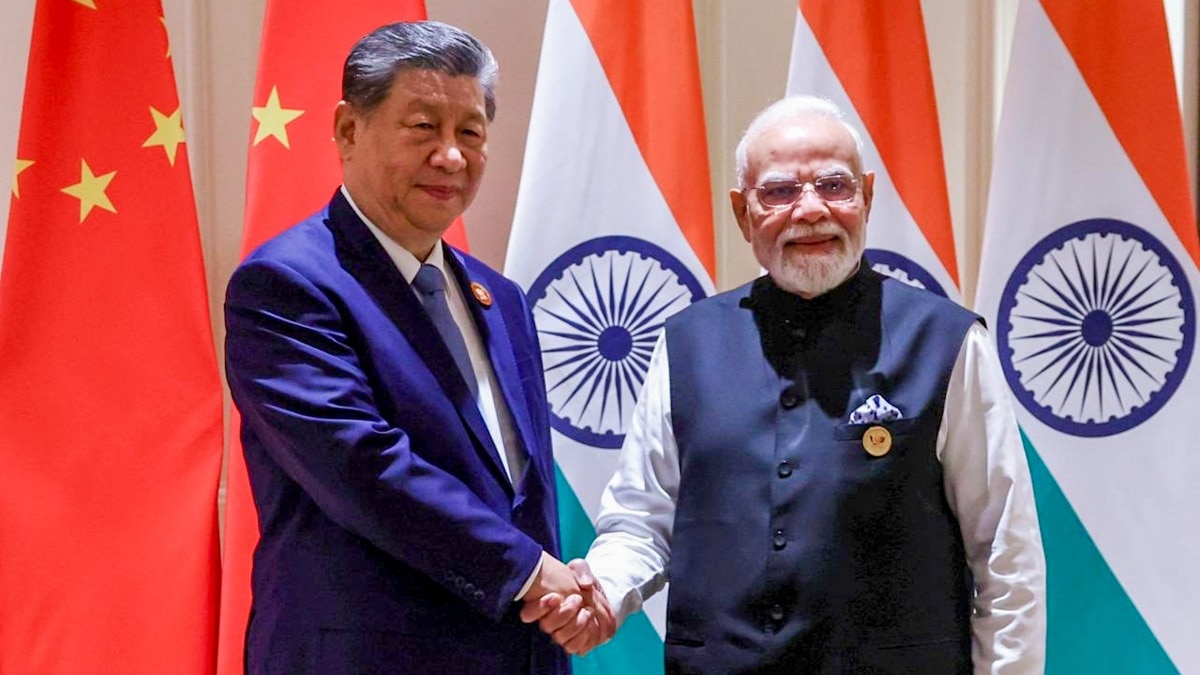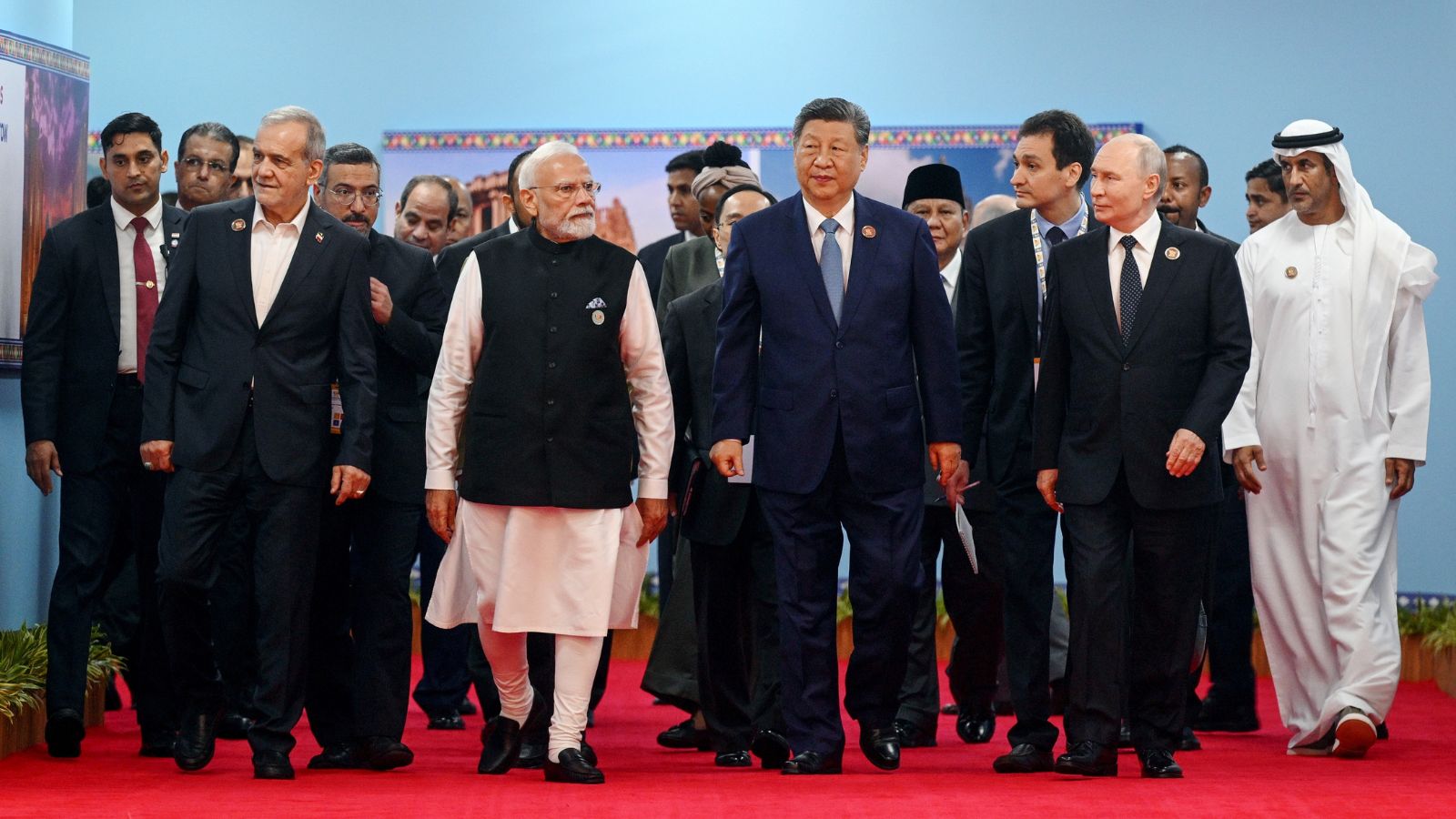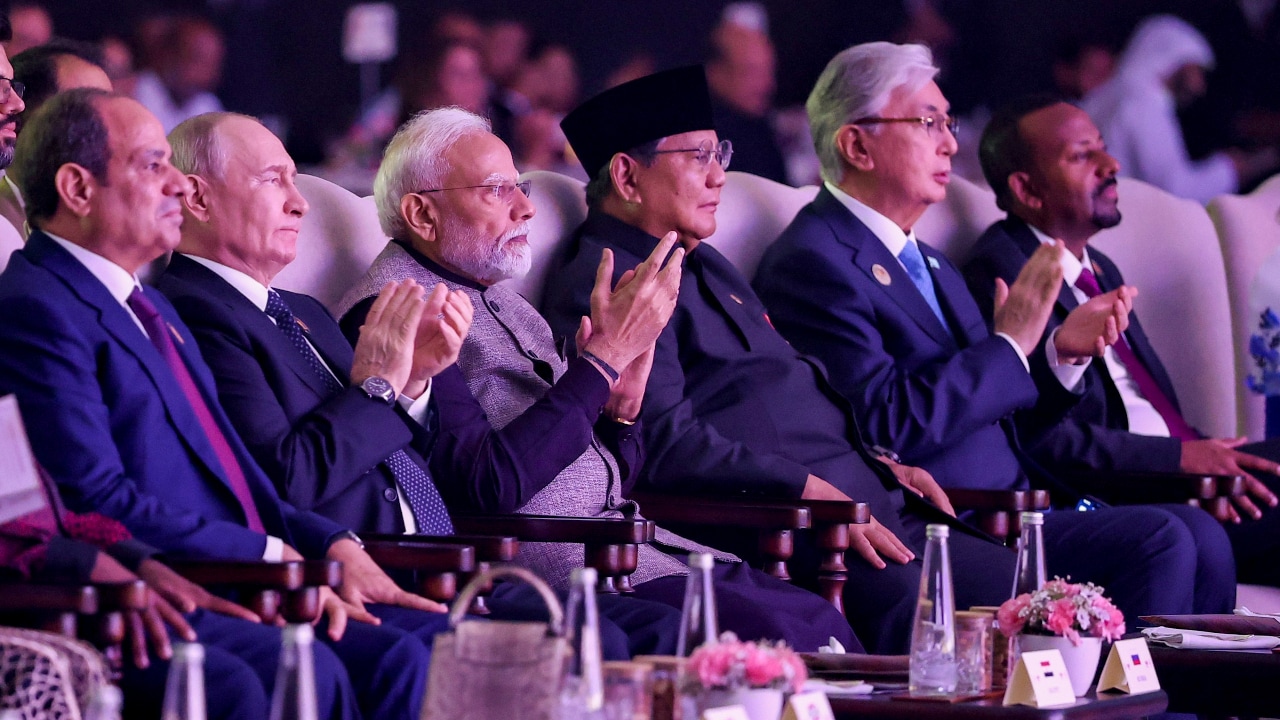
The BRICS Summit 2026 concluded with the landmark New Delhi Declaration, supporting the return of cultural antiquities to their countries of origin and emphasizing fair competition in renewable energy markets.
- The New Delhi Declaration supports the repatriation of cultural antiquities to their countries of origin.
- The summit focused on "Strengthening Cooperation to Promote Fair Competition in Renewable Energy Markets."
- A major emphasis was placed on accelerating sustainable energy transitions globally.
The two-day BRICS Summit 2026 held in New Delhi has concluded with a profound impact on both cultural diplomacy and global economic policy. The summit culminated in the adoption of the New Delhi Declaration, a document that takes a historic stand on the repatriation of cultural heritage, advocating for the return of ancient antiquities to their respective countries of origin.
This move is being hailed as a significant victory for nations seeking to reclaim their historical identity and sovereignty. By addressing the long-standing issue of looted or displaced cultural artifacts, the BRICS bloc is positioning itself as a champion of historical justice and global equity.
Strengthening Renewable Energy Cooperation
Beyond the cultural implications, the summit was heavily anchored in the future of global energy. The central theme, "Strengthening Cooperation to Promote Fair Competition, including in Renewable Energy Markets," guided high-level discussions among member nations. The leaders focused on ensuring that the transition to sustainable energy is inclusive and does not create new monopolies in the green technology sector.
BozokMedia analysis shows that this strategic alignment among BRICS nations could significantly disrupt the current dominance of traditional energy powers. The declaration emphasizes the need for shared technological advancements in solar, wind, and hydrogen energy to ensure all developing nations can participate in the green revolution.
The return of cultural treasures is not merely about art; it is about restoring the soul and dignity of nations.
Historical Background
Since its inception, BRICS has evolved from an economic concept into a powerful geopolitical force. The 2026 summit marks a pivotal moment where the bloc moves beyond trade balances to address the deeper, more nuanced issues of cultural rights and the equitable distribution of future-critical resources like renewable energy.
Why This Matters
This declaration signals that BRICS is maturing into a holistic global leader, addressing the interconnectedness of cultural heritage, economic fairness, and environmental sustainability.
Frequently Asked Questions
1. What is the significance of the New Delhi Declaration regarding antiquities?
It provides formal support for returning stolen or displaced cultural artifacts to their original home countries.
2. What was the primary focus of the 2026 energy discussions?
The focus was on promoting fair competition in renewable energy markets and supporting a sustainable energy transition.