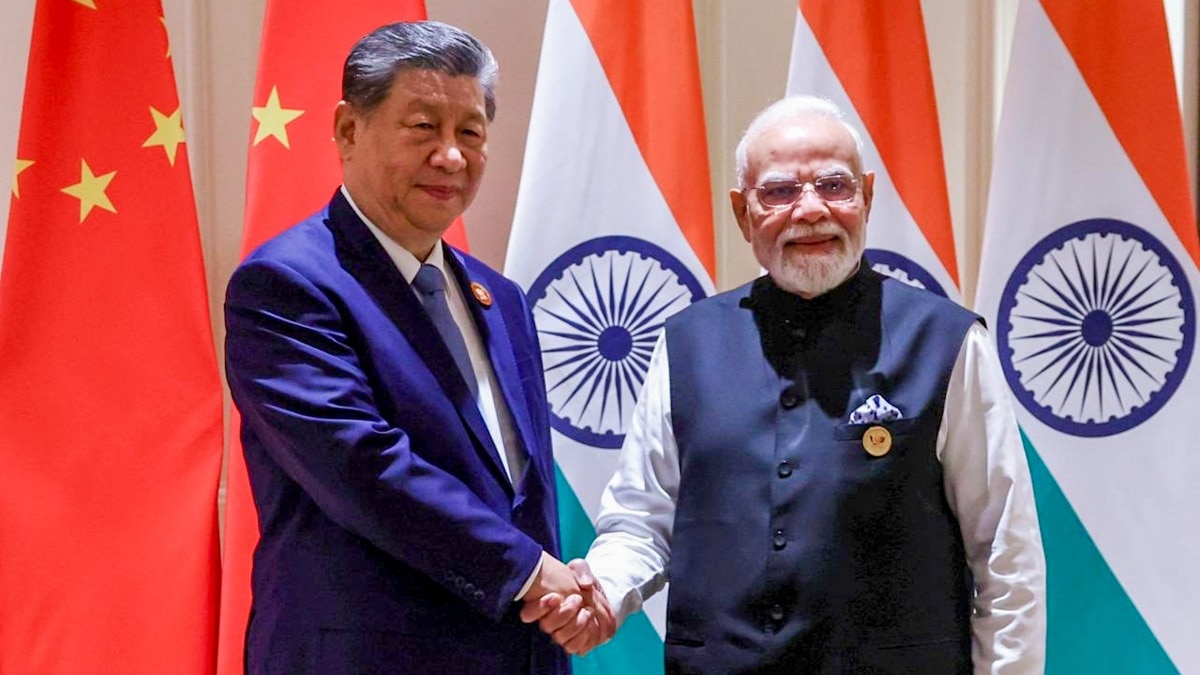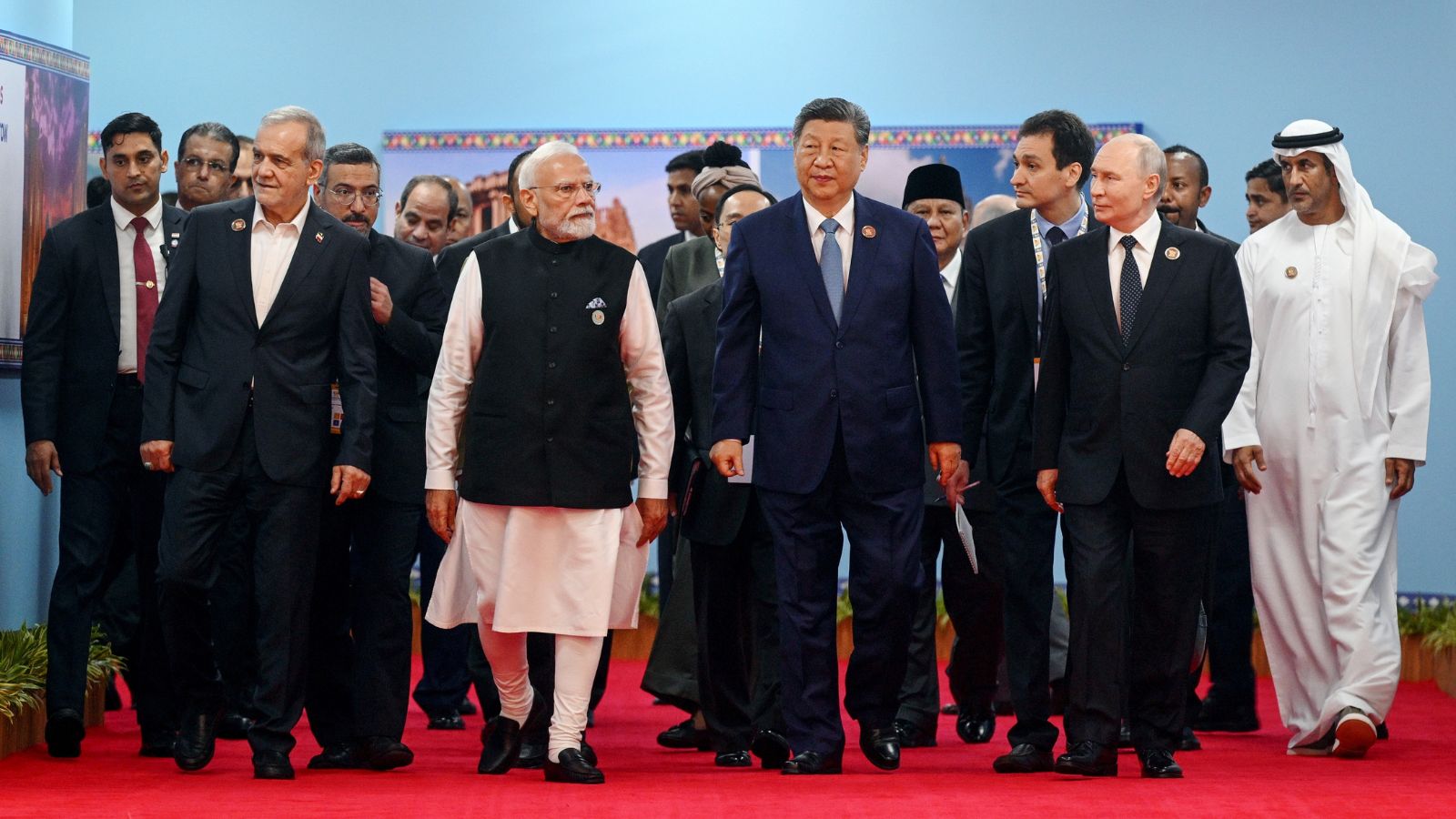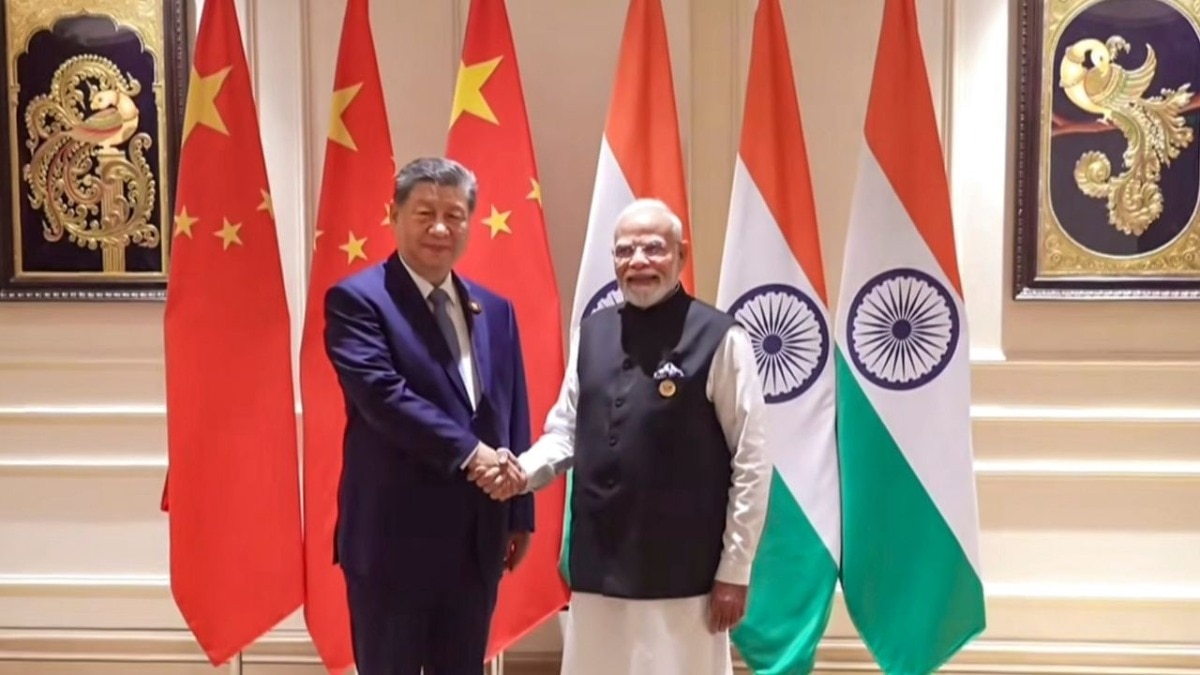
During the 18th BRICS Summit in Delhi, PM Narendra Modi and President Xi Jinping met to discuss strengthening bilateral ties. China emphasized a strategic partnership focused on mutual growth and border stability.
- PM Narendra Modi and President Xi Jinping held a high-level bilateral meeting during the 18th BRICS Summit in Delhi.
- China stated that India and China should view each other as partners and complements rather than rivals.
- Both leaders agreed on the importance of maintaining peace and stability at the borders.
- Emphasis was placed on boosting bilateral trade and institutional exchanges.
In a significant diplomatic development, Chinese President Xi Jinping and Indian Prime Minister Narendra Modi held a deep and candid discussion during the 18th BRICS Summit held in New Delhi. The meeting marks a pivotal moment in the evolving relationship between the world's two most populous nations. Following the summit, China issued a statement underscoring that India and China are partners in progress rather than competitors in a zero-sum game.
President Xi Jinping highlighted that China has always viewed India-China relations through a long-term strategic lens. He noted that the recent interactions between the two leaders have moved the relationship from a 'new beginning' to 'new heights.' Furthermore, the record-breaking levels of bilateral trade were cited as a hard-won achievement that both nations must protect and nurture.
Why This Matters
BozokMedia analysis shows that any rapprochement between New Delhi and Beijing has profound implications for the global order. As leaders of the 'Global South,' a stable India-China relationship can act as a stabilizing force in an increasingly turbulent international landscape, potentially reshaping the dynamics within organizations like the UN, SCO, and G20.
India and China can complement each other's strengths and work together for the prosperity of the Global South.
To ensure sustained growth, President Xi proposed a four-point framework. This includes developing an objective understanding of each other, pursuing 'win-win' cooperation through enhanced connectivity, resolving border issues through political wisdom, and strengthening multilateral cooperation within platforms like BRICS and the G20.
Historical Background: The relationship between India and China has been characterized by intense competition and periodic friction, most notably the 1962 border war and the recent tensions in the Galwan Valley. Despite these challenges, the economic interdependence between the two giants remains a powerful driver for diplomatic engagement.
Frequently Asked Questions
1. What were the key outcomes of the Modi-Xi meeting?
The meeting focused on strategic bilateral ties, maintaining border peace, and expanding economic and institutional cooperation.
2. How does China view India's role in the global landscape?
China views India as a key member of the Global South and a major player that can contribute to global peace and stability alongside China.