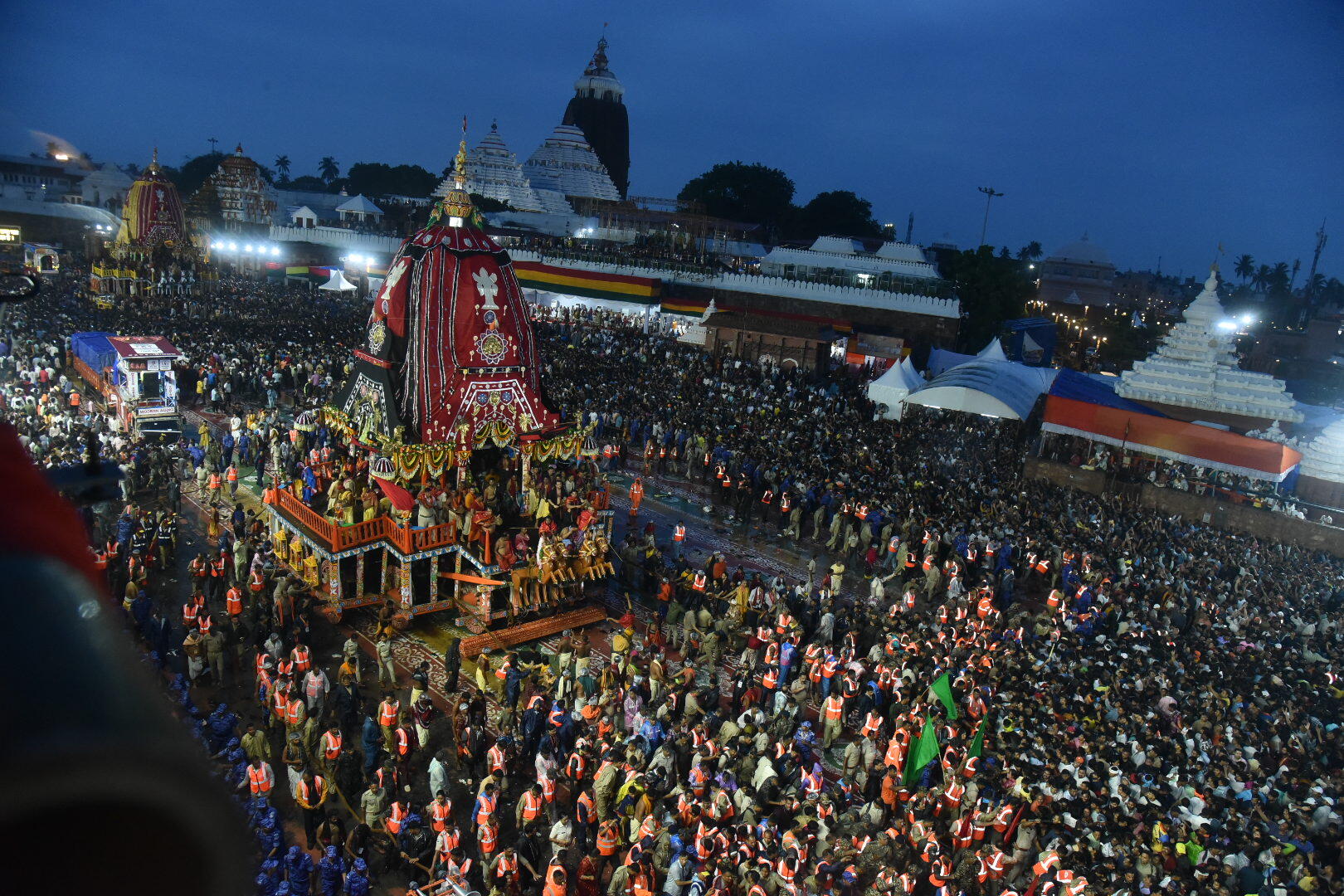
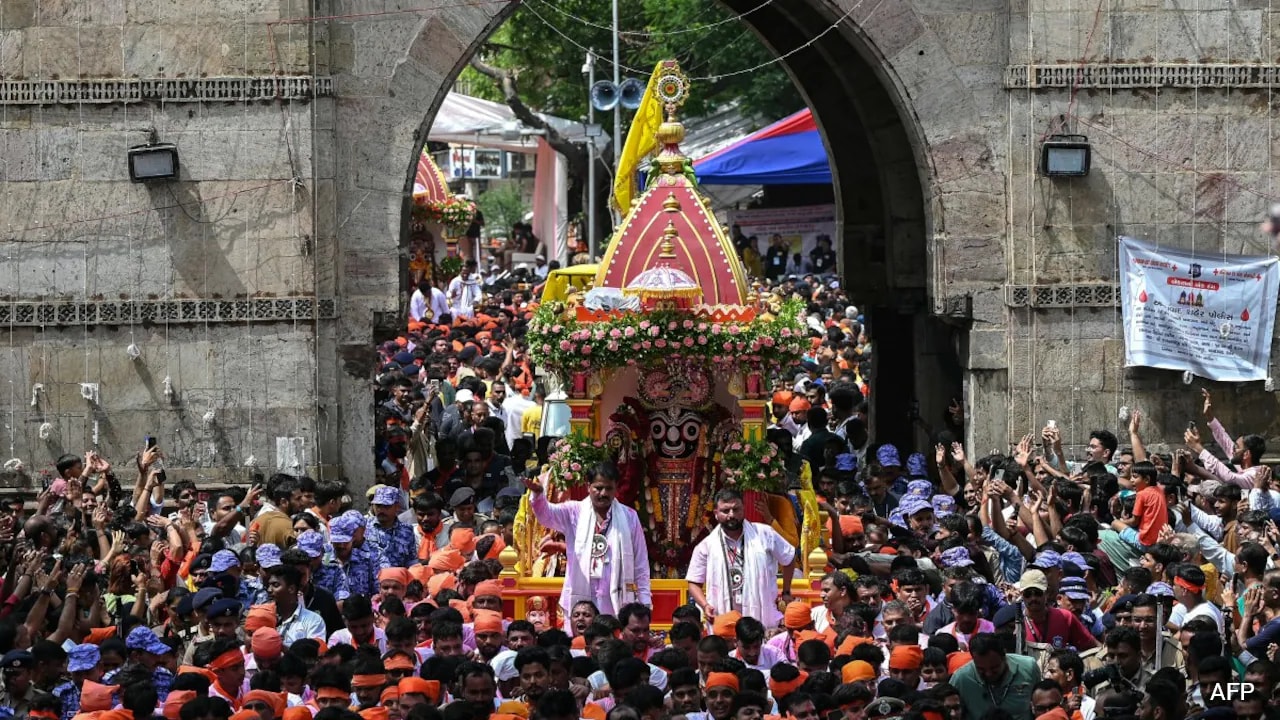
The Jagannath Temple follows a centuries‑old calendar to set the Rath Yatra date, while ISKCON conducts parallel international processions on different days. The clash has ignited fierce opposition in Puri, framing the issue as a challenge to the temple’s religious authority.
मुख्य बिंदु (Key Takeaways)
- Jagannath Temple’s traditional calendar scheduled the Rath Yatra for July 16, 2026.
- ISKCON launched international processions from May 9, covering 26 locations worldwide.
- Local devotees view the deviation as an affront to the temple’s religious identity.
Every year, the Shree Jagannath Temple in Puri orchestrates the Rath Yatra according to a ritual calendar that dates back to the 7th century. In 2026, the three towering wooden chariots carrying Lord Jagannath, Balabhadra, and Subhadra set off on July 16, traversing the city’s iconic Grand Road (Bada Danda). The pilgrimage is one of Odisha’s four sacred pilgrimage centres and draws millions of pilgrims from across the nation.
ISKCON’s Global Expansion
The International Society for Krishna Consciousness (ISKCON) has, however, been staging parallel Rath Yatra events since May 9, 2026, in 26 countries across Asia, North America, Europe, and Africa. Within India, ISKCON plans 66 processions in Madhya Pradesh between July 16 and July 25, two of which fall outside the nine‑day window prescribed by the temple’s calendar. ISKCON justifies the shift by citing logistical and practical considerations for a worldwide audience.
Local Backlash and Religious Sentiment
Veteran cultural activist Badri Mishra, 67, standing near one of the chariots, warned, “If ISKCON comes to Puri, it will face the anger of Lord Jagannath’s devotees.” The sentiment is echoed by many devotees who see the altered schedule as a direct challenge to the temple’s spiritual authority. They argue, “Would a Christian institution be allowed to celebrate Christmas on March 2 or October 5 instead of December 25? ISKCON should not take such liberties.” The outrage extends beyond temple officials to ordinary pilgrims who feel their sacred tradition is being undermined.
Political Appeals and Written Protests
Dibyasingha Deb, the titular king of Puri and the chief servitor (adhyasevak) of Lord Jagannath, sent two‑page letters—accompanied by a 152‑page annexure—to President Droupadi Murmu and Prime Minister Narendra Modi on July 4. The letters highlighted concerns over ISKCON’s independent Rath Yatra and Snana Yatra dates and requested intervention. ISKCON’s Governing Body Commission chairperson Madhu Sevita Dasa responded on July 7, stating, “There is nothing further to add, and we respectfully bow out of this discussion once and for all.” This terse reply deepened the community’s frustration.
Implications for the Future
If the dispute remains unresolved, it may set a precedent for other religious bodies to sidestep traditional calendars, potentially fracturing India’s pluralistic fabric. Scholars warn that while global outreach is valuable, it must respect the sanctity of local rituals to preserve cultural heritage. A collaborative dialogue, balancing international aspirations with reverence for age‑old customs, appears essential to prevent further polarisation.