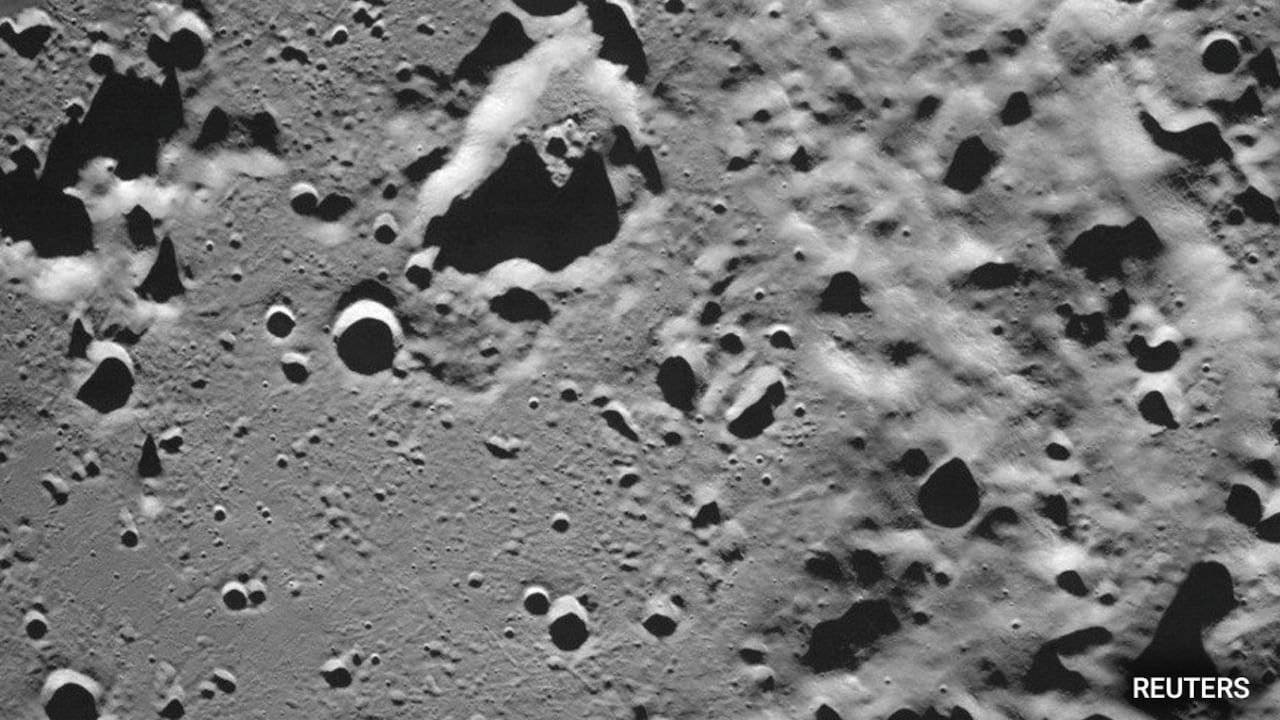
A new geopolitical rivalry is unfolding beyond Earth as the US and China compete to establish a presence at the Moon's South Pole. Experts suggest China's 2030 lunar landing strategy may be more viable than NASA's accelerated 2028 timeline, with both nations eyeing vital water ice resources for future settlements.
Key Takeaways
- The US and China are locked in a competitive race to land humans on the Moon's South Pole.
- Experts believe China's 2030 timeline is currently more viable than NASA's 2028 goal.
- Water ice discovered at the pole is critical for creating fuel and sustaining life in future space colonies.
A new geopolitical rivalry is unfolding beyond Earth as the United States and China compete to establish a dominant presence at the Moon's South Pole. This region has become the focal point of modern space exploration due to its scientific potential and strategic resources. Unlike the Apollo missions of the 20th century, this new race is not just about planting flags, but about securing the resources necessary for a sustained human presence in deep space.
Historical Background
The last time humanity saw such a fierce competition for the Moon was during the Cold War. However, the dynamics have shifted significantly. While the US aims to return through the commercial-friendly Artemis program, China is steadily advancing its state-led International Lunar Research Station (ILRS) program. Both nations view the Moon as a strategic gateway for future missions to Mars and the outer solar system.
Why This Matters
BozokMedia analysis shows that the discovery of water ice at the lunar South Pole is the single most important factor for future interplanetary travel. Water ice can be split into hydrogen and oxygen, providing breathable air for astronauts and rocket fuel for spacecraft. This capability would allow the Moon to act as a 'gas station in space,' drastically reducing the cost of launching heavy payloads from Earth.
The South Pole is the gold mine of the future; whoever controls the water ice controls the logistics of deep space exploration.
Mission Comparison
| Feature | NASA (USA) | CNSA (China) |
|---|---|---|
| Program Name | Artemis | International Lunar Research Station (ILRS) |
| Target Landing | 2028 | 2030 |
| Key Partners | Europe, Japan, Canada | Russia |
Frequently Asked Questions
- Why is the Moon's South Pole so important?
- Can China really beat NASA to the Moon?