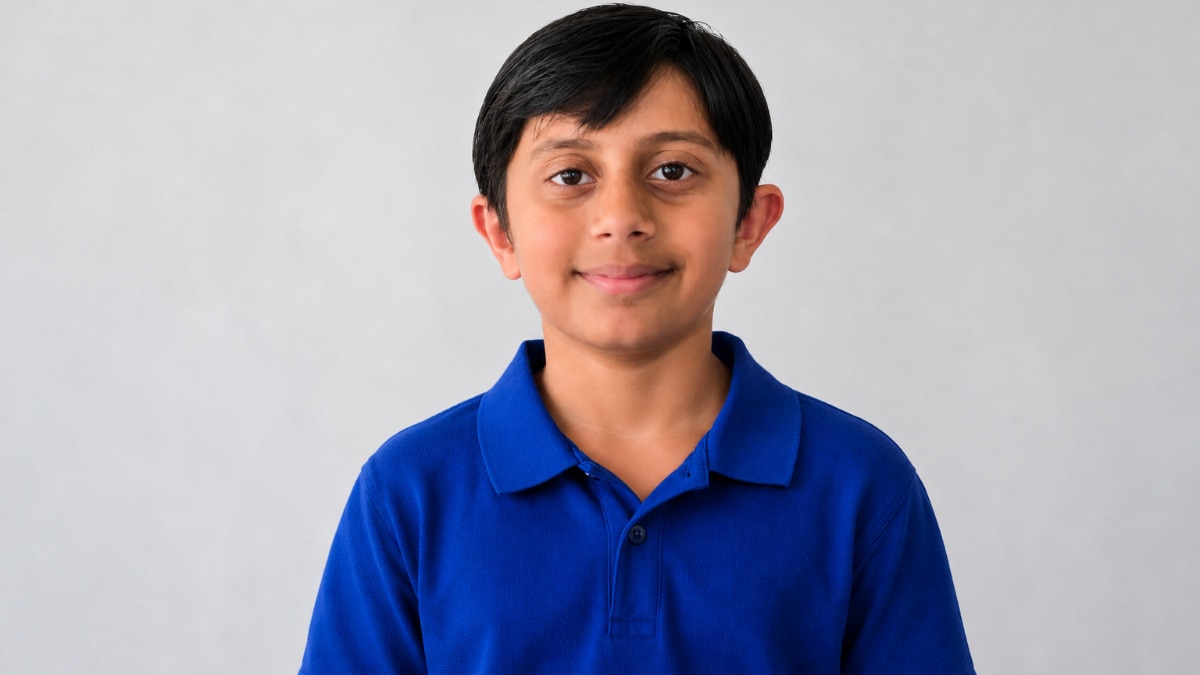
North Carolina student Prakhar Purohit has gained State Merit recognition in the 2026 3M Young Scientist Challenge for his groundbreaking project that transforms contaminated water into small-scale energy sources.
- Prakhar Purohit developed a method to create miniature batteries using dirty water.
- Recognized as a North Carolina State Merit Winner in the 2026 3M Young Scientist Challenge.
- The project intersects environmental remediation with small-scale power generation.
In a world grappling with escalating pollution, Prakhar Purohit, a student at The Math and Science Academy of Apex in Wake County, North Carolina, has proposed a radical solution. Rather than viewing contaminated water solely as an environmental hazard that requires cleaning, Purohit questioned whether it could serve as a raw material for energy production.
His project, titled “Tiny Batteries from Dirty Water,” explores the chemical and physical possibilities of extracting electrical energy from pollutants. By linking water quality with power generation, Purohit has managed to merge the fields of environmental science and electrical engineering into a single, cohesive innovation.
Why This Matters
BozokMedia analysis shows that this project exemplifies the shift toward 'Resource Recovery' in modern science. While traditional methods focus on the cost of cleaning water, Purohit’s approach suggests that pollution itself could be a fuel. This paradigm shift is crucial for developing self-powering environmental sensors that could monitor water quality in real-time using the very pollutants they are designed to detect.
"True innovation occurs when we stop seeing waste as an end-point and start seeing it as a beginning for a new process."
Purohit's achievement as a State Merit Winner in the 2026 3M Young Scientist Challenge places him among the top young minds in the United States. The competition is known for fostering students who tackle systemic issues, with other 2026 finalists focusing on robotic therapy, lead detection, and plant communication.
While the specific technical blueprints and materials used in the battery design remain proprietary to the Young Scientist Lab, the core conceptual victory is clear. The project challenges the status quo of waste management and encourages a new way of thinking about the materials that surround us in urban and industrial environments.
The implications of this research extend beyond a school project. If scalable, the ability to generate electricity from dirty water could provide low-cost power for micro-electronics in remote areas where clean water is scarce but contaminated water is abundant, creating a symbiotic relationship between cleaning the environment and powering technology.
Frequently Asked Questions
Q1: What is the primary goal of Prakhar Purohit's project?
A: The goal is to determine if dirty water can be utilized to create tiny batteries for small-scale power generation.
Q2: What recognition did he receive?
A: He was named a North Carolina State Merit Winner in the prestigious 2026 3M Young Scientist Challenge.